A clean office isn’t just about appearances—it’s a critical factor in employee health, productivity, and overall workplace morale. With high-touch surfaces, shared workspaces, and fluctuating foot traffic, a haphazard cleaning approach can lead to germ buildup, allergies, and unnecessary downtime. In this guide, we’ll outline the best office cleaning schedule, breaking down daily, weekly, and monthly tasks—from disinfecting keyboards to deep-cleaning carpets—so you can maintain a spotless, sanitary environment that keeps your team focused and thriving.
The Best Office Cleaning Schedule to Keep Employees Healthy
How Does a Structured Office Cleaning Schedule Boost Workplace Health?
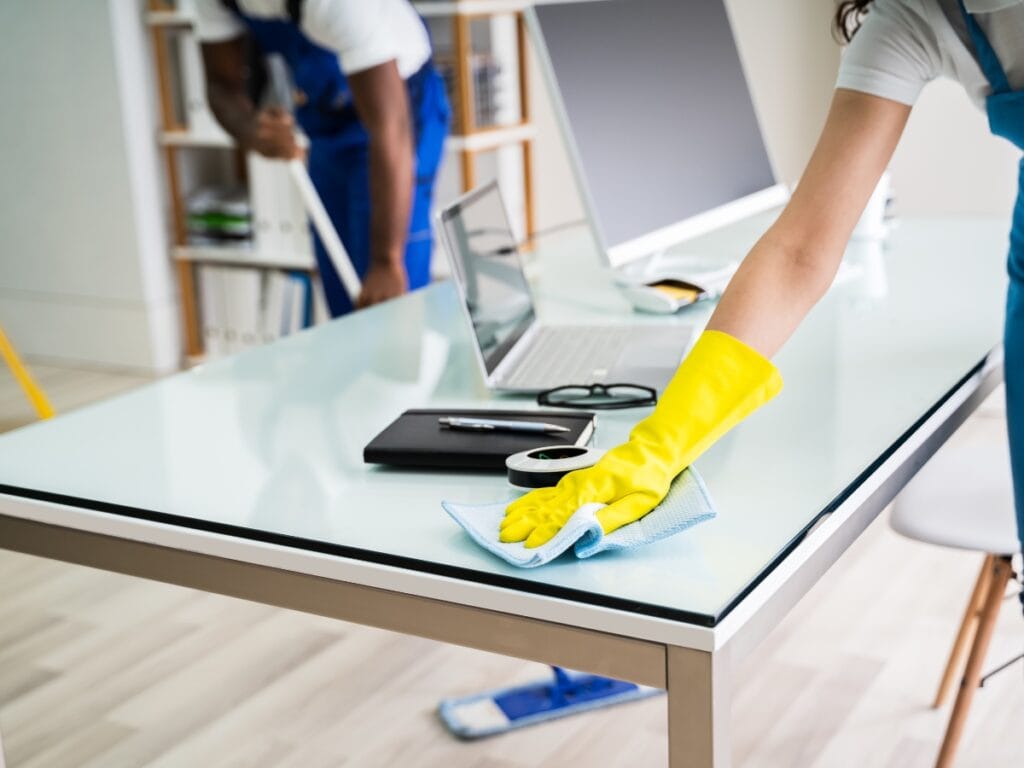
A cleaning plan is more than a checklist. It is a steady routine that removes germs, allergens, and clutter before they become problems. The best office cleaning programs map out daily, weekly, and monthly tasks so nothing slips through the cracks. When schedules are consistent, air stays cleaner, shared surfaces stay sanitary, and the odds of cross-contamination drop. That foundation supports healthier people and steadier operations.
How Regular Cleaning Limits Germ Spread And Absenteeism
Shared spaces collect germs fast. Keyboards, mice, phones, break room counters, elevator buttons, and door hardware see hundreds of touches each day. Wiping these surfaces with a proper disinfectant on a set cadence breaks the chain of transmission. Many offices see fewer sick days when they treat contact points as part of the everyday routine rather than an occasional deep clean. It also helps to set simple rules around hand hygiene, wipes near printers and coffee stations, and quick cleanup of spills. When the best office cleaning practices and behavior work together, teams spend less time out sick and more time on task.
What A Clean Office Does For Morale And Productivity
People focus better when the space around them is orderly. Clear desks, dust-free equipment, and uncluttered walkways reduce visual noise and stress. Employees report that they concentrate longer and feel more comfortable in clean environments, which shows up as faster task completion and fewer errors. Air quality matters too. Regular filter changes, vent cleaning, and attention to soft surfaces cut dust and odors that can trigger headaches or allergies. A tidy workplace also builds pride. When the office looks cared for, people tend to keep it that way, and that shared ownership supports a more professional culture.
How Cleanliness Shapes Client Impressions And Reputation
First impressions form in seconds. A spotless lobby, clean glass, and tidy meeting rooms send a clear signal that your company pays attention to detail. Clients and partners notice scuffed floors, dusty sills, and fingerprints on doors, even if they never mention it. Keeping public areas and restrooms in top shape reduces distractions during meetings and supports trust. Over time, consistent standards for cleanliness become part of your brand. Vendors, recruits, and visitors carry that impression forward.
Building A Practical Schedule That Works
Start with daily touch points. Phones, keyboards, mice, door handles, elevator buttons, and shared counters should be disinfected every day. Break rooms and restrooms need frequent attention, including trash removal before odors build. Once a week, add tasks that take a little longer, such as dusting high surfaces, wiping baseboards, vacuuming vents and returns, and mopping under furniture that is easy to move. Each month, plan deeper work like carpet extraction in heavy traffic lanes, machine scrubbing of hard floors, and detailed cleaning of lighting lenses and window tracks. Document the plan, assign responsibilities, and track completion so coverage stays consistent when staff rotates or workloads change.
Keeping Results Consistent
Set clear standards for products and dwell times so disinfectants do the job. Rotate a short checklist through supervisors to spot issues early. Tie cleaning to building operations by coordinating with HVAC filter changes and scheduled maintenance. When something changes in the space, such as a new break area or rearranged workstations, update the schedule rather than waiting for complaints.
A structured approach combined with best office cleaning practices makes cleanliness predictable. It protects health, supports focus, and strengthens your professional image. With a simple plan and steady follow-through, office cleaning stops being an interruption and becomes an everyday part of how the workplace works.
What Are the Key Daily Office Cleaning Tasks for a Healthy Workplace?
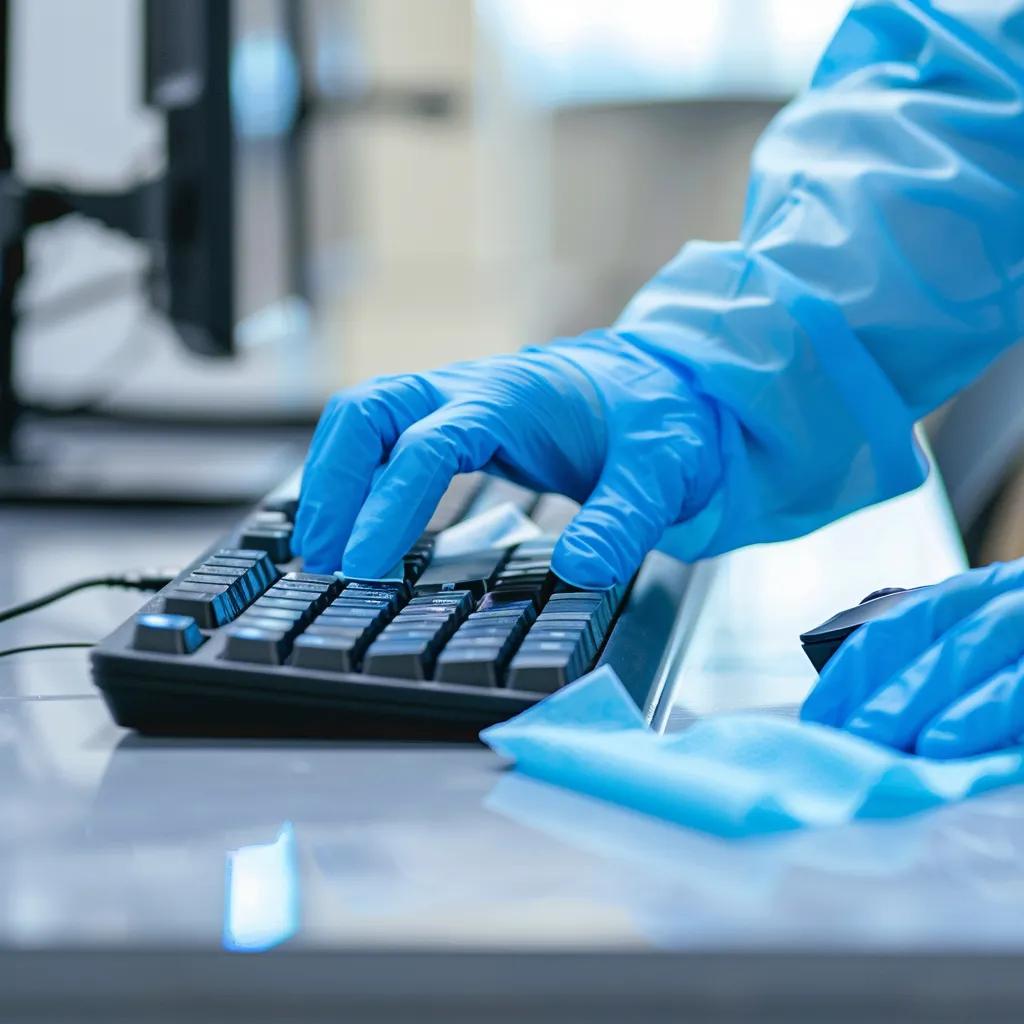
A reliable daily routine keeps germs down, air fresher, and spaces ready for work. The best office cleaning programs map out simple tasks that cover high-traffic areas, shared equipment, and restrooms so nothing gets missed. Done consistently, these basics reduce illness, cut complaints, and help the office look professional from the first meeting to the last.
Which High-Touch Surfaces Require Daily Disinfection?
High-touch areas collect the most germs and need attention every day. Desks and workstations should be wiped on all contact surfaces, including edges, chair arms, and drawer pulls. Keyboards, mice, touchscreens, and desk phones benefit from electronics-safe cleaners used with a microfiber cloth so residue does not build up.
Door handles, copy machine panels, elevator buttons, and light switches require quick disinfecting during the day, not just at night, because they see constant use. In conference rooms, clean table surfaces, chair backs, remotes, and speakerphones after each meeting so the next group starts with a sanitary space. Treat these points as part of the routine rather than special events and you will break many transmission chains before they start.
How Should Trash and Restroom Spot Cleaning Be Managed Daily?
Waste builds odor and invites pests if it lingers. Empty desk and common-area bins before peak hours and again near day’s end in busier offices. Replace liners promptly and spray the inside and outside of bins on a regular cadence so germs do not collect where hands touch. In restrooms, plan quick checks throughout the day for spills, low supplies, and high-use fixtures.
Wipe sinks, faucet handles, counters, and flush levers after peak periods to maintain a clean appearance and reduce microbes. Keep soap, paper towels, and toilet paper stocked so users do not improvise and create more mess. Use a simple workflow that separates restroom tools from office tools to avoid cross-contamination. These small, frequent tasks keep facilities fresh between deeper weekly work.
What Best Office Cleaning Supplies Are Needed for Effective Daily Office Cleaning?
Core supplies make daily work faster and more consistent. EPA-listed disinfectant sprays or wipes handle touch points and shared surfaces when used with proper dwell time. Microfiber cloths capture dust and fine particles without leaving lint and can be laundered for reuse. An alcohol-based spray is useful for quick disinfection of nonporous contact spots and dries quickly on handles and switches.
Keep hand sanitizer at entries, break areas, and meeting rooms to support personal hygiene where sinks are not nearby. Stock a range of trash liners sized for desks, break rooms, and restrooms so bins can be serviced without delay. Where electronics are common, include screen-safe cleaner and lint-free cloths so staff do not use harsh products on sensitive gear. With these basics on hand, crews move efficiently and finish to a consistent standard.
What Should a Weekly Office Cleaning Checklist Include for Optimal Productivity?
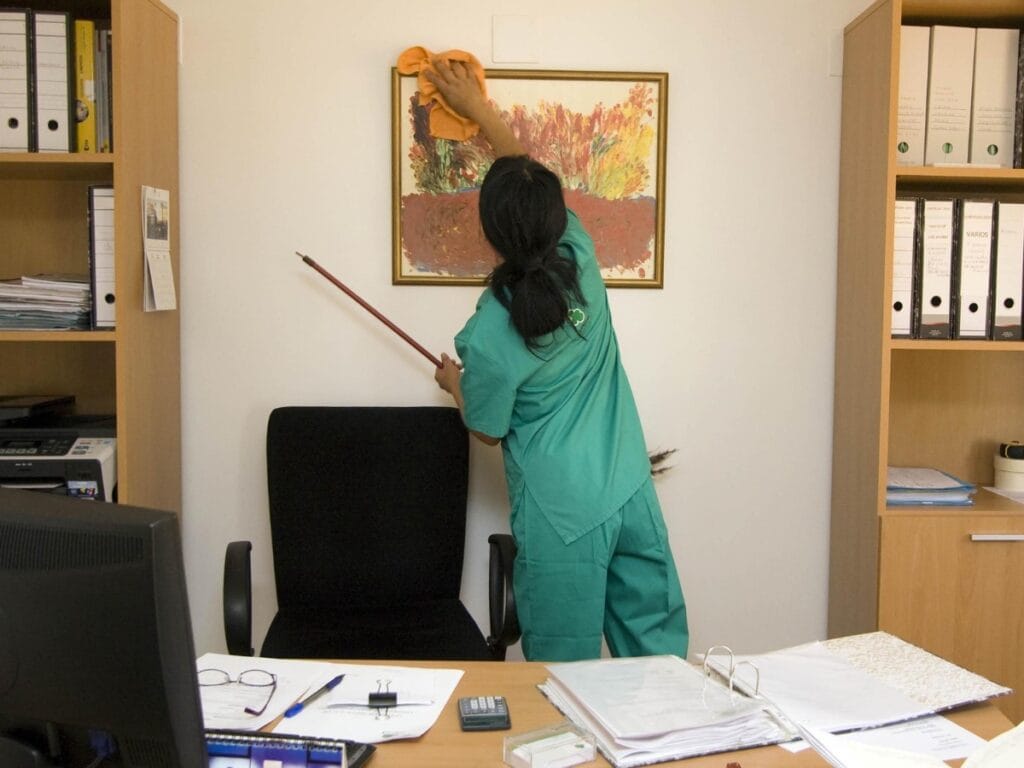
A weekly cycle tackles the deeper soil that daily routines miss. By setting aside time each week for mid-level tasks, you reduce allergens, protect finishes, and keep common areas looking consistent. The result is fewer distractions, fresher air, and equipment that lasts longer. This is the backbone of the best office cleaning programs, because it keeps standards high without disrupting work.
How to Properly Clean Floors, Glass Surfaces, and Kitchen Appliances Weekly?
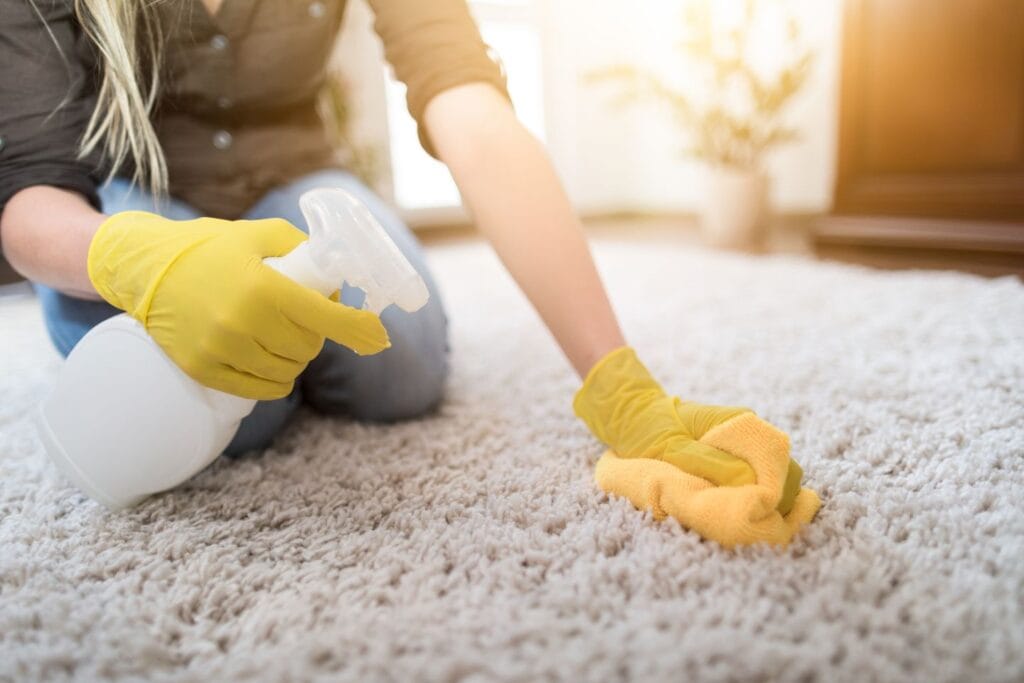
Start with floors, since they collect the most traffic soil. Carpets and rugs should be vacuumed slowly with a HEPA machine to pull out embedded grit and allergens. Treat spots before they set and run an edge tool along baseboards where dust collects. Hard floors respond best to a neutral pH cleaner and a well-wrung microfiber mop, which lifts residue without dulling the finish. In larger spaces, an auto-scrubber set to low solution flow restores appearance while protecting coatings.
Glass deserves the same disciplined approach. Clean interior partitions, conference room walls, and entry doors with a streak-free product and a lint-free cloth, working top to bottom and tracing the edges where fingerprints linger. Finish by checking door rails and handles so the whole opening reads clean.
Kitchen appliances should not be limited to a quick exterior wipe. Clear crumbs from microwave interiors, clean door gaskets, and wipe drip trays at the coffee station. Refrigerator handles and touch panels benefit from a disinfectant that is safe on plastics and glass. If you have a water dispenser, follow the manufacturer’s guidance for descaling where mineral deposits appear, then rinse thoroughly so there is no chemical taste. Keeping these zones in shape prevents odors and keeps break areas pleasant.
Why Is Dusting Vents, Baseboards, and Blinds Important Weekly?
Dust that settles on vents and ledges does not stay put. Airflow lifts it, people breathe it, and it lands again on work surfaces. Give supply and return vents a pass with a vacuum brush each week to improve circulation and keep grilles clear. Wipe baseboards with a damp microfiber so fine particles do not migrate back to floors right after you mop.
Window blinds collect a surprising amount of dust; clean each slat with a microfiber glove or cloth and finish the pull wands so hands do not pick up residue. Corners and ceiling lines are common cobweb spots, and a quick sweep here keeps rooms looking cared for. Light fixtures and diffusers also play a role. Dust cuts illumination and strains eyes, so wipe lenses and housings as part of the weekly loop and replace failed lamps promptly.
What Are the Best Office Cleaning Practices for Weekly Restroom and Common Area Cleaning?
Daily service keeps restrooms usable, but a weekly pass restores them. Scrub bowls and urinals with a low-abrasive cleaner, remove scale at the water line, and let disinfectant dwell long enough to work. Wipe partitions, walls, doors, and hardware so high-touch points are sanitary from top hinge to floor anchor. Check for leaks at valves and traps, polish stainless steel, and clean mirror edges where streaks tend to remain. In lobbies, corridors, and break rooms, wipe tables and chair arms with a neutral cleaner, vacuum soft seating, and mop or machine scrub hard floors so traffic lanes do not gray out. Restock consumables and align bins so waste stations are tidy and easy to use.
How Often Should Monthly Deep Cleaning Be Scheduled and What Does It Include?
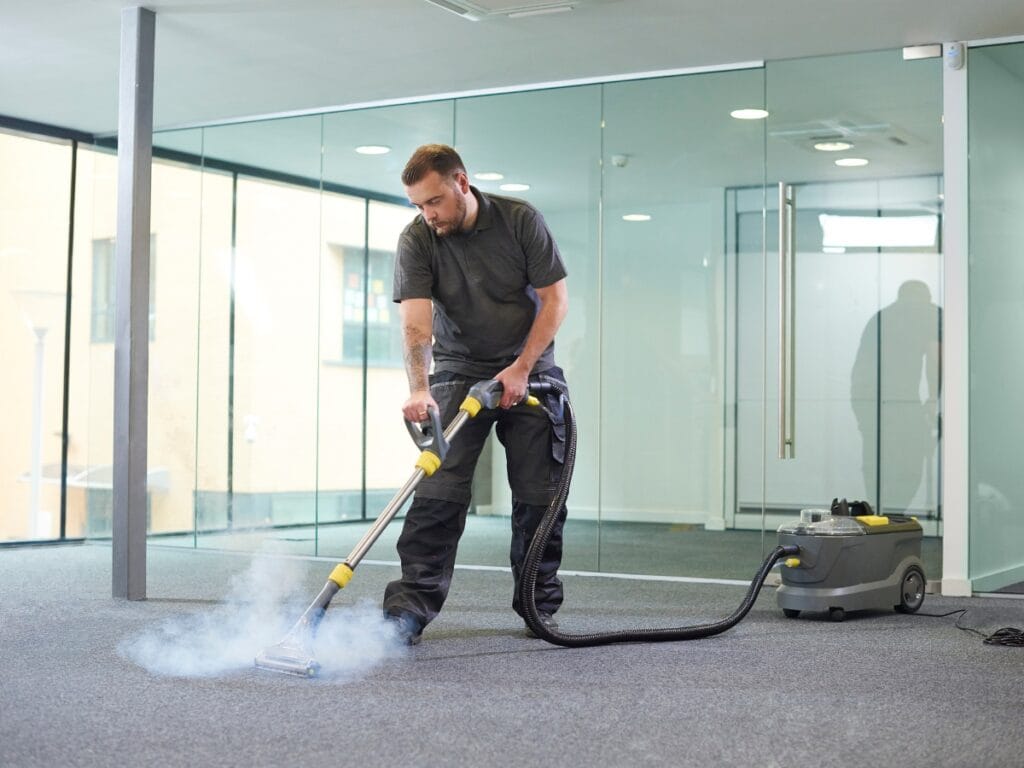
Monthly deep cleaning fills the gaps that daily and weekly routines cannot reach. Setting a recurring date each month prevents buildup in textiles, grout lines, window tracks, and high surfaces. It also protects finishes that wear faster when fine dust and residue are left in place. A predictable cadence keeps the office looking consistent, supports indoor air quality, and reduces the chance that small issues turn into repairs. This approach is a core piece of the best office cleaning plans because it preserves both appearance and function over the long term.
Which Areas Require Monthly Deep Cleaning Like Upholstery and Carpets?
Textiles collect grit and oils that regular vacuuming cannot fully remove. A monthly cycle restores them before soil bonds to fibers. Carpets benefit from hot water extraction or low-moisture encapsulation to lift embedded dirt, reduce allergens, and reset traffic lanes. Before cleaning, spots should be treated so stains do not set. Upholstered chairs and sofas respond well to steam or approved fabric-cleaning solutions that remove body oils and dust without leaving residue. Rotating entry mats and runners evens wear and helps the fibers recover their pile. Where appropriate, a fabric protector can be applied to slow future staining. During this visit, seams, edges, and stitching should be inspected so small separations can be repaired before they spread. Consistent textile care keeps seating comfortable, reduces odors, and extends the useful life of soft surfaces.
How to Effectively Clean Windows, High Surfaces, and Tile Grout Monthly?
Glass and elevated areas are easy to overlook and quickly show neglect. Interior and accessible exterior windows should be washed with a squeegee system that leaves clean edges and no haze. Tracks and frames collect dust and grit; clearing them helps windows close properly and prevents streaking after rain. High dusting of beams, light fixtures, cable trays, and air diffusers removes particles that would otherwise cycle back onto desks and floors.
Tile in restrooms, break rooms, and entries needs focused attention. Applying a suitable grout cleaner, agitating with a stiff brush, and rinsing thoroughly lifts embedded soil and reduces the conditions mold prefers. After cleaning, allow full drying and check for missing grout or failed caulk so repairs can be scheduled before water intrusion causes damage. Polishing glass partitions and mirrors at the same time keeps meeting rooms and lobbies clear and professional.
What Are the Benefits of Monthly Deep Cleaning and Best Office Cleaning Practices for Long-Term Workplace Health?
A steady monthly program pays off in health and cost control. Removing embedded dust, pollen, and dander lowers irritants that contribute to headaches and allergy symptoms, which can reduce sick days and improve comfort. Clearing residues from floors, fixtures, and appliances slows wear on finishes, so carpets, upholstery, and hard surfaces last longer and need replacement less often. Detailed disinfecting in less visible areas, along with clean and dry grout lines, reduces the places where microbes can grow. All of this supports better air movement because vents and diffusers stay clean, which helps HVAC systems operate as designed.
What Are the Benefits of Hiring Professional Office Cleaning Services in Atlanta?
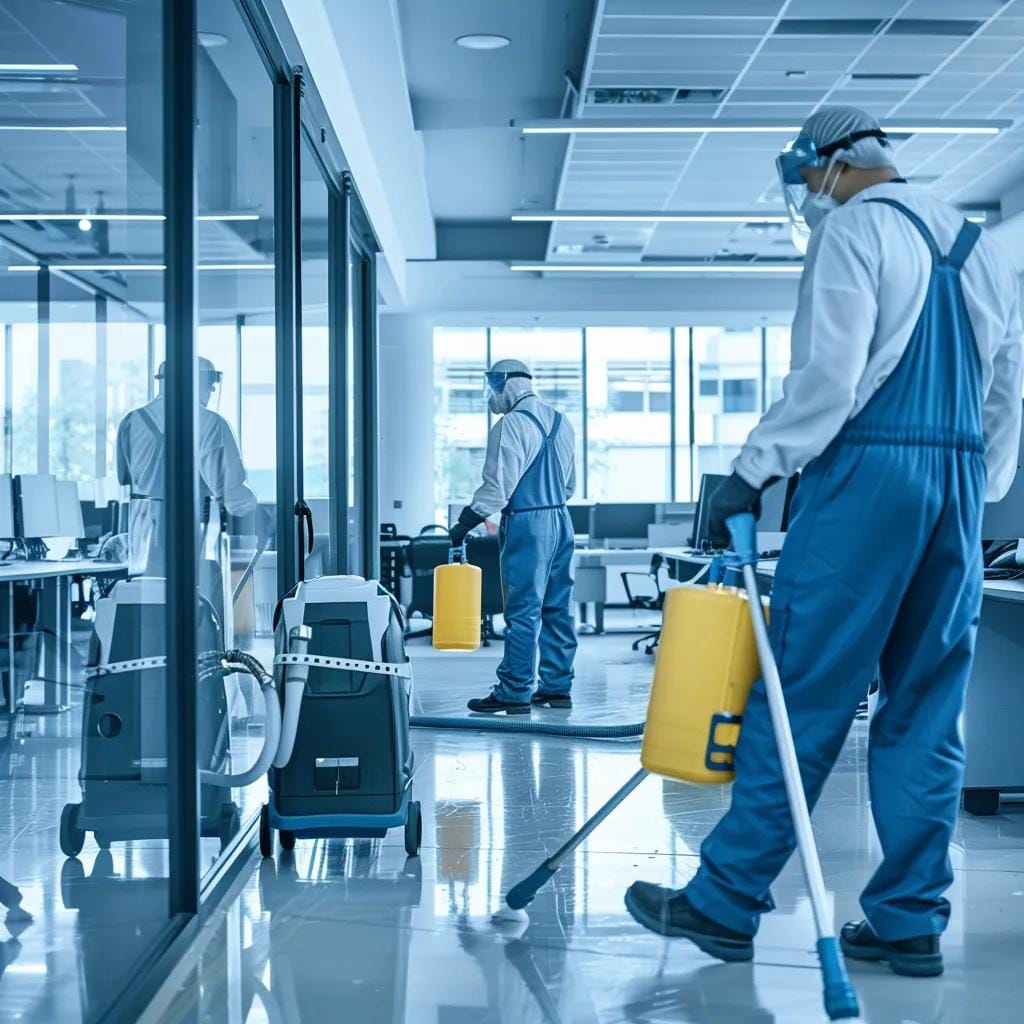
Bringing in a qualified local team raises the baseline for hygiene and appearance. Professionals use consistent procedures, trained staff, and purpose-built tools that are hard to match with ad hoc in-house efforts. The result is cleaner air, safer touchpoints, and spaces that look presentable all day, not just after hours. If you are aiming for the best office cleaning standard, a professional program gives you structure and measurable results.
Benefits Of Professional Cleaning Services
Professional crews and the best office cleaning services work with EPA-registered disinfectants, HEPA-filtered vacuums, and documented checklists that cover the whole space from entry to exit. That combination removes fine particles, controls odors, and keeps high-touch areas sanitary. Quality controls such as supervisor inspections and service logs keep tasks on schedule and make it easy to verify that daily, weekly, and monthly routines are finished. Because teams are trained to ISSA and OSHA guidelines, products are used correctly, dwell times are respected, and safety rules are followed without guesswork.
How Do the Best Office Cleaning Teams Improve Employee Health And Reduce Absenteeism?
Health gains come from steady attention to the places people touch most. Door hardware, elevator buttons, keyboards, desk phones, and break room counters are cleaned and disinfected on a set cadence so microbes do not build up between deep cleans. Many Atlanta offices see fewer sick days when these touchpoints are managed systematically rather than occasionally. Better filtration and detailed vacuuming also cut dust and allergens that can trigger headaches or coughing, which supports focus and comfort throughout the workday. When the environment is easier to breathe in, teams spend more time at their desks and less time out sick.
What Specialized Equipment And Techniques Do Professionals Use?
Modern tools raise both speed and effectiveness. Electrostatic sprayers charge the disinfectant droplets so they wrap evenly around complex surfaces like chair arms, keyboards, and conference room controls. HEPA vacuums capture fine particles that ordinary machines blow back into the room. Steam cleaning refreshes textiles without heavy fragrances and helps remove oils from chair fabric and partition panels.
On hard floors, auto-scrubbers lift soil without leaving a sticky film that attracts dirt the next day. Microfiber systems are color coded so the cloth that cleans a restroom never touches a desk, which prevents cross-contamination. Used together, these methods deliver a cleaner space with less disruption to your staff.
Why Choose Customized Cleaning Schedules For Your Atlanta Office?
Every floor plan and schedule is different, so the plan should be too. Offices that run late benefit from overnight service that leaves corridors open during the day. Busy conference centers often add a short mid-day touch-up to reset tables, chairs, and door hardware between meetings. Regulated environments such as clinics and financial firms may add enhanced disinfection protocols and more frequent documentation.
Service levels can scale for seasonal peaks, tenant events, or construction punch lists and then return to a steady rhythm. Aligning frequency and scope with actual foot traffic keeps costs sensible while maintaining a consistent standard.
How Can Workplace Hygiene Best Practices Complement Your Cleaning Schedule?
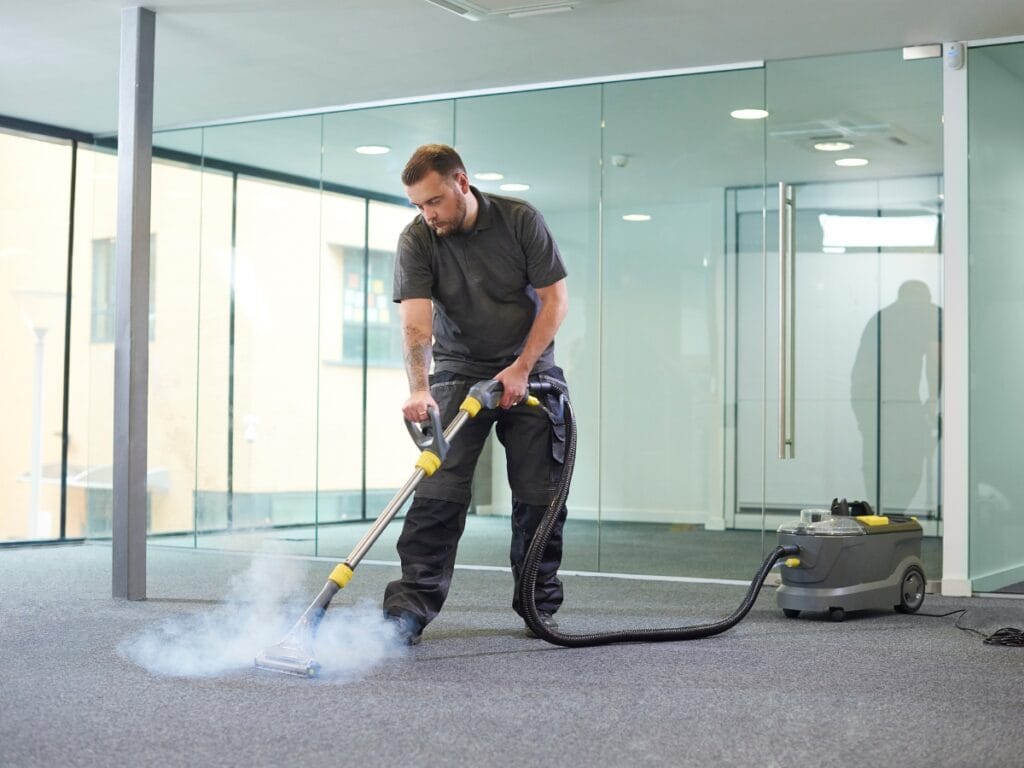
A strong cleaning schedule does a lot, but daily habits and simple environmental tweaks make it work even better. When teams practice good hygiene and the building supports clean air, every sweep, wipe, and disinfectant pass goes further. Think of this as the people-and-place layer that turns a solid routine into the best office cleaning standard your space can sustain.
What Role Does Hand Hygiene And Personal Responsibility Play In Office Health?
Clean hands cut transmission on shared surfaces and equipment. Make the routine easy and visible so it sticks. Post clear handwashing reminders at sinks and place sanitizer where people naturally reach for it, like by elevators, meeting rooms, break areas, printers, and entrances. Encourage staff to give their own desks a quick wipe at the end of the day and to keep cables, cups, and paper clutter from taking over work surfaces. Short refreshers during team meetings help everyone remember proper washing time, when to sanitize, and how to clean keyboards and touchscreens safely. When people own their personal space and follow simple hygiene steps, surface disinfection holds longer and illness tends to spread less.
How Does Air Quality Affect Employee Well-Being And Productivity?
Air that is clean and well circulated supports focus and comfort. Start with filtration. Use filters that meet your system’s specifications and replace them on a set schedule, often every quarter in typical offices and more often in dusty environments. Verify that outdoor air dampers and fans are working so fresh air actually reaches occupied zones. Portable air purifiers with HEPA filters can help in conference rooms, phone booths, and open areas where people gather.
Run them during the day and let them clear the room after meetings. Indoor plants are not a substitute for ventilation or filtration, but a few low-maintenance choices in lobbies and corners can soften the space and remind people to care for their environment. Pair these steps with routine vent and diffuser cleaning so dust does not reenter the room right after a clean.
What Policies Support A Healthy Workplace Beyond the Best Office Cleaning?
Policies keep hygiene consistent when schedules get busy. Flexible sick leave discourages people from working while ill, which limits spread on keyboards, phones, and door hardware. Remote work options during peak cold and flu season further reduce exposure in crowded offices. Roles that handle waste or clean spills benefit from clear guidance on gloves and other protective gear, along with training on how to remove and dispose of it safely.
Visitors should check in at a single point where simple screening and hand hygiene are easy to manage. Regular short trainings help new hires and long-time staff follow the same playbook on cleaning tools, product safety, and reporting maintenance issues like leaks or poor ventilation.
How to Choose the Best Office Cleaning Service in Metro Atlanta
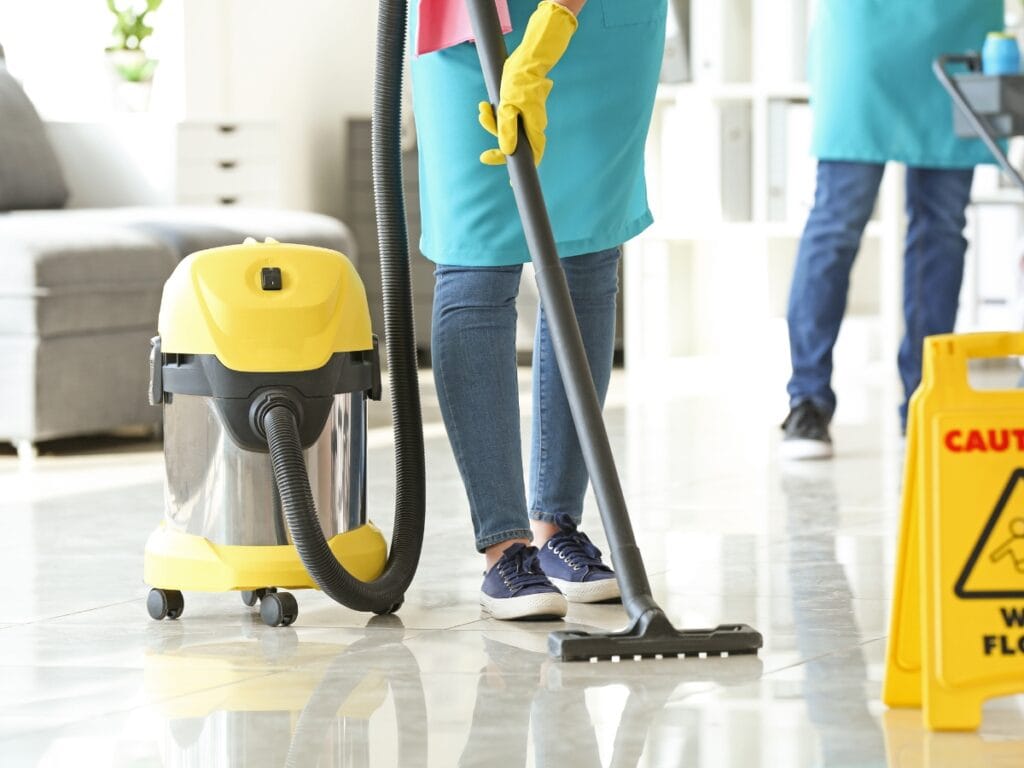
Picking a cleaning partner should be practical, not guesswork. Focus on proof of quality, the ability to tailor a plan to your space, and a track record with businesses like yours. When those pieces line up, you get predictable results and a healthier workplace. If your goal is the best office cleaning outcome, the provider you choose will matter as much as the schedule you follow.
What Qualifications and Certifications Should You Look For?
Start with credentials you can verify. ISSA CIMS shows a company has documented processes for training, quality control, and safety. EPA Section 608 and product-specific training confirm staff know how to handle disinfectants and chemicals correctly. OSHA compliance indicates supervisors teach safe work practices and keep records in order. Ask for proof of general liability and workers’ compensation coverage, then confirm that employees are background checked and on payroll rather than loosely managed contractors. Finally, scan local reviews and request recent references from clients with a similar footprint, such as multi-tenant offices, medical suites, or call centers. Providers that meet these basics tend to deliver steady, measurable service.
How Do Customized Cleaning Plans Meet Specific Business Needs?
A good plan fits your building, not the other way around. The scope should list areas, tasks, and frequencies by zone, for example, daily touch points and restrooms, weekly floors and glass, and monthly high dusting and detail work. Define service windows that do not disrupt your teams and specify who supplies consumables like liners, soap, and towels.
Clear metrics help both sides stay aligned. Many offices track completion logs, periodic inspections with photos, and a simple pass or fix list that is reviewed in standing check-ins. Plans should scale during peak periods or events, then return to baseline without renegotiation. Regulated spaces, such as healthcare or finance, may need enhanced disinfection or documentation. The more precise the scope, the fewer surprises later.
Where Can You Find Trusted Commercial Cleaning Services In Atlanta?
Use sources that filter for reliability. Association directories, such as ISSA member lists, make it easier to find firms that commit to industry standards. Property managers, facility groups, and local chambers of commerce provide peer referrals that reflect day-to-day performance, not just sales promises. Reviews help, but ask for a walk-through and a written proposal that ties price to task counts and frequencies. A short pilot in one floor or suite is a smart way to test responsiveness, communication, and quality before rolling out to the entire site.
How Should You Compare Proposals And Pricing?
Line items should be clear. Look for labor hours per visit, task lists by area, and the cadence for daily, weekly, and monthly work. Confirm whether specialty services, such as carpet extraction or high glass, are included or billed as needed. Check that products are EPA listed and that microfiber and color coding are used to avoid cross-contamination. Ask how supervisors verify results and how issues are escalated. Pricing that is far below the market often signals rushed work or high turnover, which leads to missed tasks and more complaints.
Conclusion
A well-planned office cleaning schedule is essential for maintaining a healthy, productive workplace—reducing sick days and creating a professional environment that impresses clients. At Magic Cleaning Pros, we customize the best office cleaning plans for Atlanta businesses using hospital-grade disinfectants and detail-oriented methods that go beyond surface cleaning. Get your free quote today by calling 678-515-5820 or visiting our website—and let us handle the cleaning so you can focus on what matters most.