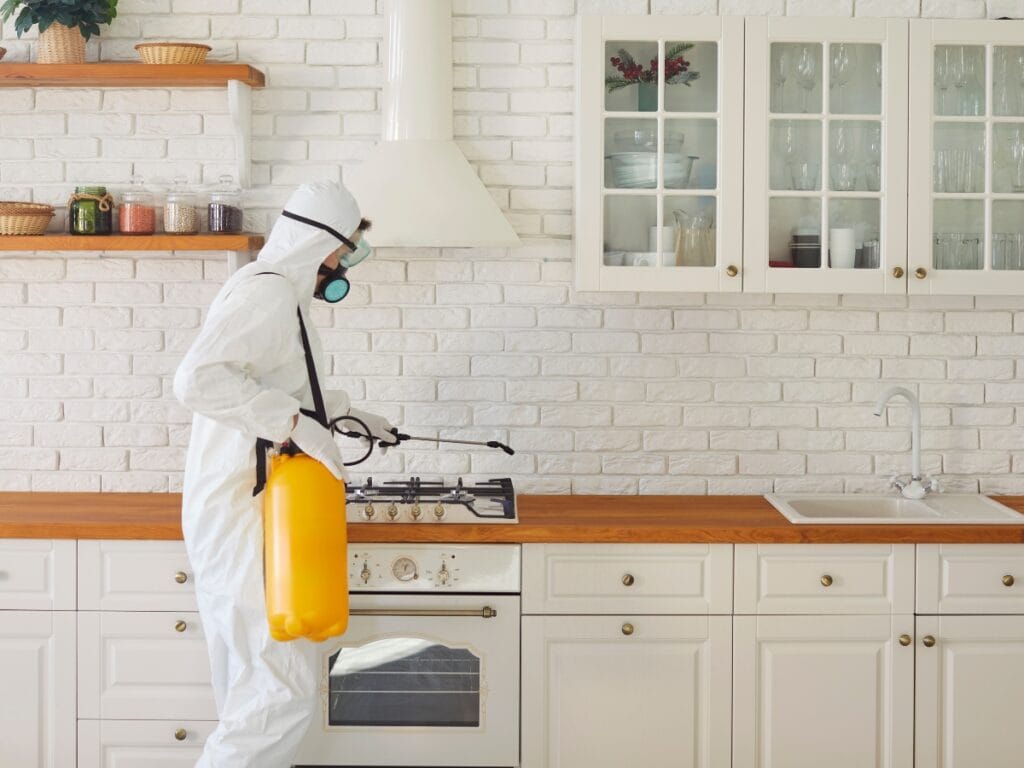
Keeping a germ-free home during cold and flu season becomes a top priority for protecting your family’s health—but standard cleaning often falls short of eliminating the viruses and bacteria that linger on high-touch surfaces. Professional sanitizing services use hospital-grade disinfectants and specialized techniques to target pathogens where they thrive, providing a deeper level of protection that DIY methods can’t match.
In this post, we’ll explore how expert sanitization reduces the risk of illness, which areas of the home require the most attention, and how incorporating these services into your routine can create a healthier living environment all season long.
Stay Healthy with a Germ-Free Home During Cold and Flu Season
Why Professional Sanitizing Matters In Metro Atlanta During Flu Season
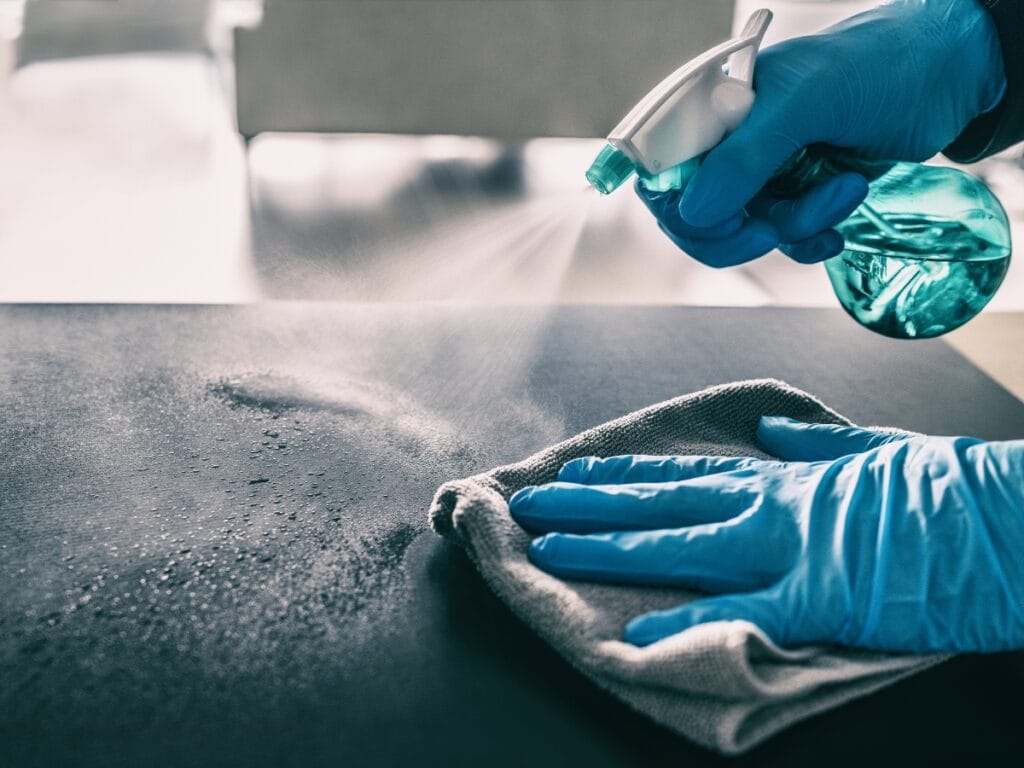
Keeping a germ-free home during cold and flu season is harder than it sounds, especially in a busy metro area like Atlanta. Professional sanitizing helps because it combines trained technique, EPA-approved products, and purpose-built equipment to reduce surface germs more reliably than everyday wiping and spraying. In our humid winters, some viruses can stay active on surfaces longer, so consistent, targeted disinfection becomes an important layer of protection alongside vaccination, handwashing, and better airflow.
Instead of relying on quick once-over cleanings, professional crews follow a structured process. They focus on high-touch points such as door handles, light switches, railings, faucet handles, and shared electronics, then apply disinfectants in a way that gives them enough contact time to work. That approach cuts down on the gaps that often appear in household routines and supports a healthier, more germ-free home during cold and flu season, particularly for families with young children, older adults, or anyone with a chronic condition.
Why Professional Sanitizing Outperforms DIY Cleaning
The main difference between professional sanitizing and DIY cleaning is consistency. At home, it is easy to spray, wipe, and move on before a product has actually had time to kill viruses and bacteria. Professionals separate the cleaning step, where visible soil and residues are removed, from the disinfecting step, where EPA-registered products are applied at the right dilution and left to sit for the full dwell time.
They also use tools that improve coverage. Electrostatic or targeted micro-sprayers wrap disinfectant around surfaces, including undersides and crevices that a cloth might miss. Because the application is calibrated and methodical, the reduction in surface germs is more predictable from room to room. That is particularly useful in busy homes where high-touch areas see constant use and quick wipe-downs simply cannot keep up.
Over time, this level of thoroughness can also cut down on recontamination. When high-touch areas are consistently brought back to a low-microbe baseline, there are fewer opportunities for viruses picked up at school, work, or public spaces to circulate around the household.
How EPA-Approved, Eco-Friendly Products Keep Your Family And Pets Safer
EPA-approved disinfectants are tested to meet specific standards against common viruses and bacteria when the label directions are followed. Many professional services now use eco-friendly, low-residue options that are formulated to be effective while reducing harsh fumes and irritants. That balance matters in homes with children, pets, or anyone sensitive to strong chemicals.
In practice, safer sanitizing is as much about how products are used as which ones are chosen. Technicians factor in dwell time, room size, and ventilation, and they know when food-contact surfaces need an extra rinse after disinfection. Areas may be kept clear during application and reopened once it is safe, so families are not unnecessarily exposed. Clear documentation of what was treated, when, and with what product also helps homeowners understand exactly how their environment is being protected.
| Method | What It Does | Benefit / Effectiveness |
|---|---|---|
| DIY cleaning (wiping) | Removes visible soil | Modestly lowers germ levels; results vary by technique |
| Over-the-counter disinfecting | Kills many pathogens when used correctly | Effective with proper dwell time, but outcomes depend on user habits |
| Professional sanitizing | Uses trained technicians, EPA products, and calibrated application tools | Provides predictable, measurable reductions and broad coverage |
Taken together, these advantages explain why many households choose professional help during peak illness months. It is a practical way to support a healthier, more germ-free home during cold and flu season, without relying solely on rushed daily cleaning.
Which High-Touch Surfaces Should You Focus on for Germ-Free Living During Cold and Flu Season?
If you want a germ-free home during cold and flu season, the smartest place to start is with the surfaces everyone touches without thinking. These touch points become the “handshake” between one person’s germs and the rest of the household, which is why they deserve more attention than low-contact areas like walls or rarely used furniture.
Begin with doorknobs and interior handles, since every person who enters or leaves a room uses them. Light switches are close behind, because they are tapped many times each day, often before hands have been washed. Remote controls, game controllers, and shared devices sit in living areas where people relax, cough, and touch their faces, which makes them quiet but significant contributors to surface spread.
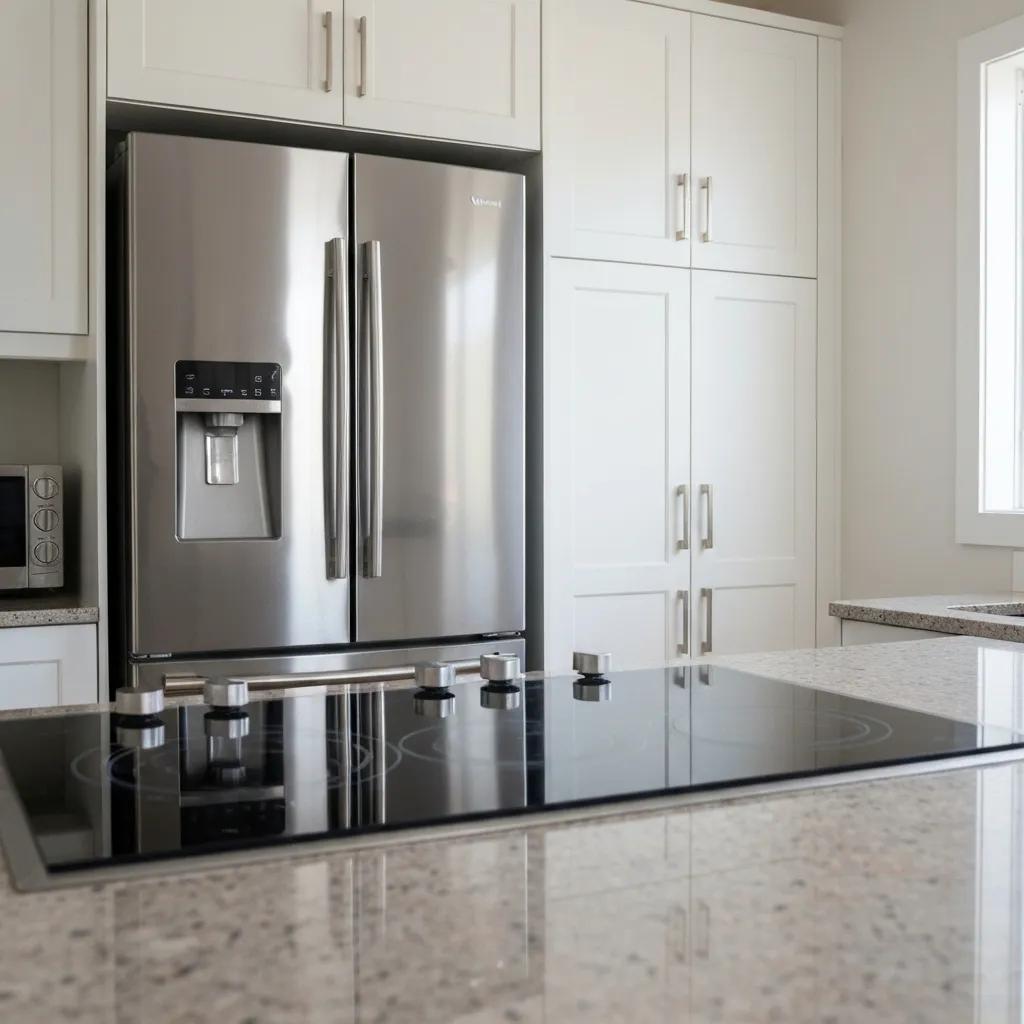
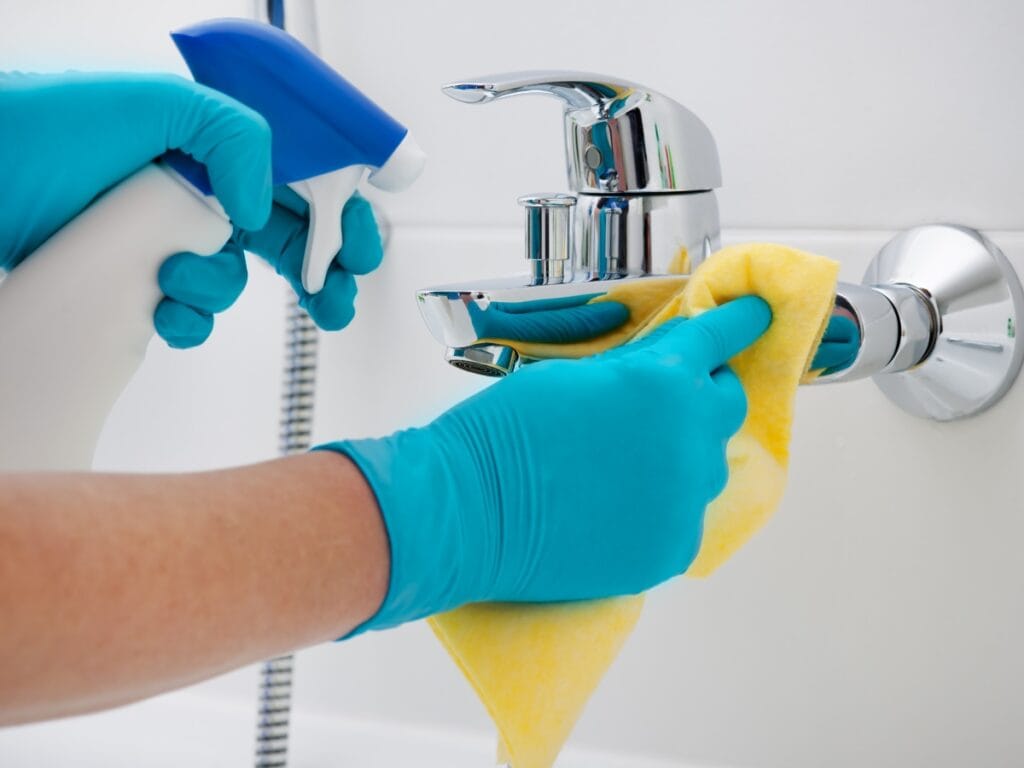
In the kitchen and bathroom, focus on faucet handles, countertops, and appliance pulls such as the refrigerator, dishwasher, and microwave. These areas mix hand contact with food preparation and hygiene tasks, so keeping them clean is essential for a germ-free home during cold and flu season. Do not forget smartphones, tablets, keyboards, computer mice, and laptop touchpads. These travel from room to room, move between home and work, and frequently sit close to the nose and mouth. Toilet flush handles, bathroom door hardware, and cabinet pulls round out the list, since they are touched during or after high-microbe activities.
What Are The Most Common Germ Hotspots In Homes?
Germ hotspots tend to appear wherever hands regularly meet faces, food, or shared objects. Kitchens are one of the most important zones because they combine raw ingredients, family traffic, and frequent hand contact. Countertops, fridge doors, sink handles, and chair backs all act as transfer points. Bathrooms are another major hotspot, since moisture and organic material make it easier for microbes to persist on hard surfaces such as taps, toilet handles, and nearby hardware.
In living rooms and family spaces, shared electronics often carry more germs than people expect. Remote controls, game controllers, and touchscreens pass from person to person throughout the day. Entry areas, including front door handles, keypads, and railings, are key crossover spots where outside germs first meet indoor surfaces.
Homes with children and pets have a few extra hotspots to keep in mind. Toys that travel between floors or rooms, shared art supplies, pet bowls, and leashes can all participate in small but steady cycles of contamination. Identifying these patterns helps you decide which surfaces deserve daily attention and which can be handled during a weekly deep clean.
A simple way to visualize priorities is to think about where hands go first when someone comes home, heads to the bathroom, grabs a snack, or sits down to relax. Those touch points are where surface transmission is most likely.
| Surface | Why It Is Risky | Suggested Cleaning Frequency |
|---|---|---|
| Doorknobs | Shared contact across the entire household | Daily disinfectant wipe during flu season |
| Remote controls | Shared, often near face and mouth | Daily wipe, plus deep clean if someone is ill |
| Faucets and sinks | Used during hygiene and food preparation | Daily handle disinfection, frequent wipe-downs |
How Often Should These Surfaces Be Disinfected For Best Flu Prevention?
How often you disinfect depends on who lives in the home and what is going on in the community. During peak illness season or when someone is actively sick, it is wise to clean very high-touch surfaces at least once a day. That usually means doorknobs, light switches, bathroom hardware, remote controls, and frequently used electronics. In homes with infants, older adults, or anyone with a weakened immune system, more frequent attention may be helpful, especially in bathrooms and the kitchen.
In lower-risk households where everyone is generally healthy and community spread is low, a weekly targeted disinfecting routine on top of regular cleaning often works well. You can increase the frequency temporarily after known exposure, such as a visitor who later reports symptoms, a sick child returning from school, or a household member who has been around many people at work.
Whatever schedule you choose, consistency matters more than perfection. Using an EPA-registered disinfectant, following the product label for contact time, and focusing on the same set of high-touch surfaces will do more for prevention than occasionally disinfecting everything in sight. Paired with handwashing, good ventilation, and sensible sick-day habits, this kind of routine is one of the most practical ways to maintain a germ-free home during cold and flu season.
How Magic Cleaning Pros Delivers Deep Cleaning and Sanitizing Services for Flu Prevention in Metro Atlanta
Keeping a germ-free home during cold and flu season is easier when routine housework is backed up by a structured, professional approach. Magic Cleaning Pros serves homes across Marietta and the wider Metro Atlanta area with residential sanitizing services designed around real family life. The team uses eco-friendly cleaning solutions, trained technicians, and customized plans that take into account children, pets, allergies, and high-traffic areas, so disinfection supports health without leaving harsh residues behind.
Every service begins with a walkthrough and discussion of how your household uses each space. That helps identify true high-touch zones such as entry areas, kitchens, bathrooms, home offices, and kids’ rooms. From there, the team builds a targeted plan that combines standard deep cleaning with focused sanitizing. The goal is not just to make a home look tidy, but to lower surface germ levels in the places that matter most for a germ-free home during cold and flu season.
Our Step-By-Step Eco Friendly Disinfecting Process
The sanitizing process follows a clear sequence so products work the way they are supposed to. First, technicians remove visible soil and buildup, since disinfectants are most effective on clean surfaces. Next, they apply EPA-approved or eco-friendly disinfectants that match the surface type, whether that is stone, laminate, metal, or plastic. Application methods are chosen to reach handles, switches, device surfaces, and other small areas that quick wiping often misses, and dwell times are observed so the products stay in contact long enough to be effective.
After application, a final pass checks that key touchpoints have been treated and that no residue has been left on surfaces that children or pets frequently touch. When needed, technicians can walk homeowners through what was used where, and which areas should be given a little time to dry before regular use resumes. This stepwise approach turns what could feel like guesswork into a repeatable process that supports healthier air and surfaces through the height of flu season.
| Service Step | Tool / Product Used | Customer Benefit / Safety Note |
|---|---|---|
| Assessment | Visual inspection and checklist | Tailored plan that focuses on real hotspots in each home |
| Application | Eco friendly or EPA approved products | Effective germ reduction with attention to family and pet safety |
| Verification | Final inspection and walkthrough | Confirms coverage and aligns results with homeowner expectations |
How Trained Technicians Deliver Reliable, Family-Safe Results
Reliable sanitizing depends on both products and people. Magic Cleaning Pros trains technicians in procedural cleaning, product selection, and safe application practices so each visit follows the same high standard. Checklists and spot checks help ensure that agreed high-touch surfaces are never skipped, and service notes record what was done and which products were used. That documentation is especially helpful for households managing chronic illness, frequent exposures, or other higher-risk situations during cold and flu season.
Communication is part of the service as well. Technicians explain which areas were treated, when they can be used again, and how regular day-to-day cleaning can stretch the benefits of a deep sanitizing visit. Over time, many homeowners settle into a rhythm that combines professional visits with simple daily wiping of key surfaces. The result is a practical, sustainable approach to maintaining a germ-free home during cold and flu season that fits how people in Metro Atlanta actually live, rather than an unrealistic routine that is hard to keep up.ty priorities.
Frequently Asked Questions
What Are The Benefits Of Using Eco-Friendly Disinfectants During Sanitizing?
Eco-friendly disinfectants are designed to knock down germs while leaving fewer harsh residues behind, which is especially important if you want a germ-free home during cold and flu season and you live with kids, pets, or anyone with sensitive skin or lungs. These products are chosen for a balance of efficacy and lower toxicity, and many are EPA-approved for use against common viruses and bacteria when applied correctly. You still get meaningful germ reduction on high-touch surfaces, but without the strong odors or lingering films that can come with harsher chemicals.
How Can I Prepare My Home For A Professional Sanitizing Service?
Preparation is mostly about access and safety. It helps to clear clutter from counters, tables, and floors in high-traffic areas like kitchens, living rooms, bathrooms, and entryways so technicians can reach the surfaces that need attention. Let the team know about any allergies, asthma, or chemical sensitivities in advance, as well as rooms that should be skipped or handled differently. If possible, arrange for pets and young children to stay in a separate area or out of the home during service so the work can move quickly and the products have time to dry before everyone returns to their usual routines.
What Should I Expect After A Professional Sanitizing Service?
After a visit, most of the work will be visible in the form of clean, orderly surfaces, but the real benefit is the reduced germ load on things you touch all day. Technicians typically perform a final walkthrough to confirm coverage of agreed areas and may leave a record of which products were used. You might be asked to wait a short period before heavy use of treated rooms, especially if ventilation is still clearing the air. Following any simple post-service instructions helps ensure the disinfectants reach full effectiveness and supports a more germ-free home during cold and flu season.
Are There Specific Times When I Should Increase Sanitizing Frequency?
Yes. It makes sense to step up both your daily routine and any professional visits during peak flu season, when someone in the household is sick, or after close contact with someone who has recently been ill. Homes with infants, older adults, or family members who have chronic health conditions often benefit from more frequent cleaning of high-touch surfaces and periodic deep sanitizing. You may also want to increase frequency in weeks when you host gatherings or overnight guests, since more people in and out means more potential exposure.
How Do I Choose The Right Professional Sanitizing Service For My Needs?
Start by looking for clear, transparent information. A reliable provider should explain which products they use, whether those products are EPA registered, and how their process separates basic cleaning from disinfection. Check that they offer eco-friendly options when needed, can adapt to allergies or sensitivities, and follow written protocols for dwell times and surface compatibility. Reading reviews, checking references, and asking how they train their technicians gives you a sense of consistency and professionalism so you can feel comfortable letting them care for your home.
Can Professional Sanitizing Services Help With Allergies And Asthma?
They can contribute to overall relief when combined with other good habits like regular dusting and good ventilation. Thorough cleaning and sanitizing can reduce dust, pet dander, and some common allergens that settle on surfaces, while also removing residues that might irritate airways. When eco-friendly disinfectants are used correctly, they help control germs without introducing strong fumes that make symptoms worse. Always tell the service about specific triggers in your household so they can choose products and methods that support cleaner air and surfaces without adding new irritants.
Conclusion
Maintaining a germ-free home during cold and flu season requires more than surface cleaning—it demands a targeted, professional approach to sanitization that protects your family’s health. At Magic Cleaning Pros, we use hospital-grade disinfectants and proven cleaning techniques to eliminate harmful pathogens from high-touch surfaces, creating a safer living environment. Don’t wait for illness to strike—call 678-515-5820 or visit our website for a free quote today. Let us provide the deep clean that gives you peace of mind and keeps your home truly healthy.