Professional cleaning services play a crucial and often underestimated role in improving indoor air quality—a key component of home health and hygiene that directly impacts respiratory wellness, allergy management, and overall comfort.
By using advanced equipment and techniques to remove deep-seated dust, pet dander, mold spores, and other airborne pollutants from carpets, upholstery, and hard-to-reach surfaces, experts can significantly reduce the allergens and irritants circulating in your home.
In this guide, we’ll explore how a targeted cleaning regimen can improve health hygiene & indoor air quality for a cleaner, healthier living environment, providing benefits that go far beyond a visually spotless space.
How Professional Cleaning Improves Indoor Air Quality & Health Hygiene
Why Is Professional Cleaning Essential For Healthy Indoor Air?
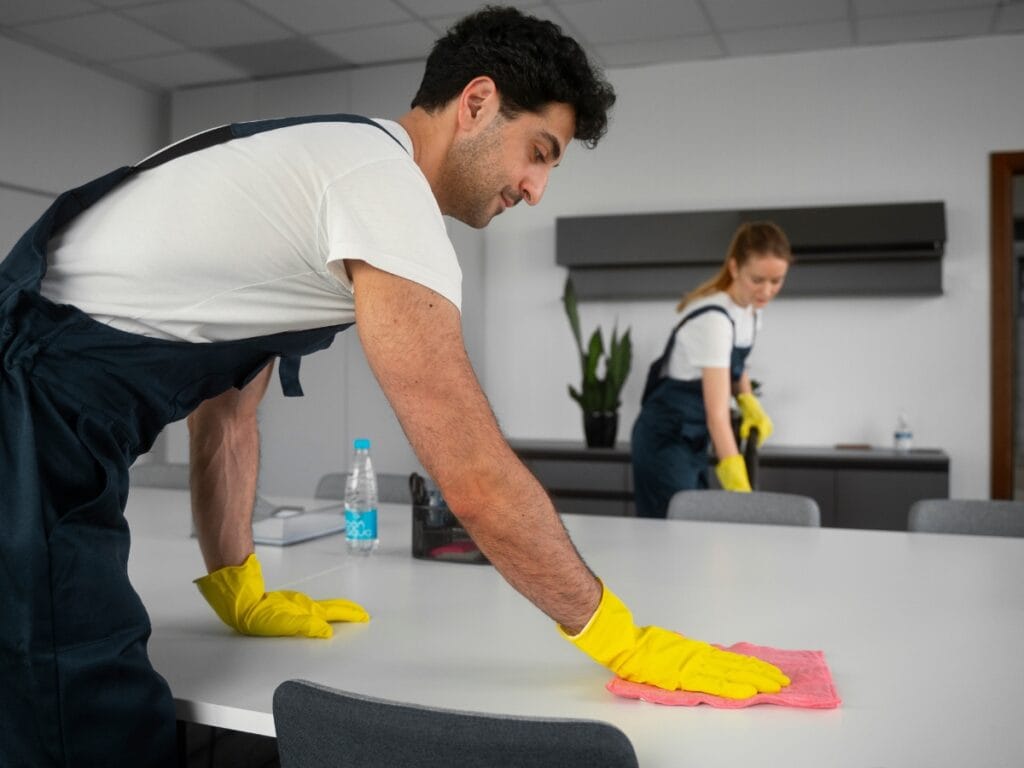
Indoor air can look clean and still carry a lot of irritants. Dust, pollen, pet dander, and residue from everyday products settle into carpets, upholstery, vents, and the corners people rarely reach during routine tidying. Over time, those particles get stirred back into the air whenever you walk across a room, run the HVAC system, or open and close doors. When the goal is better health hygiene & indoor air quality, professional cleaning matters because it targets the buildup that normal weekly cleaning often leaves behind.
Another reason professional work helps is consistency. Many households clean the visible surfaces, but the less visible sources of airborne particles remain. Deep-set dust in fabrics, fine debris along baseboards, and grime trapped in high-traffic flooring can keep contributing to poor air quality even when a home looks neat. A thorough, scheduled cleaning approach helps reduce that steady “background” of contaminants and supports a healthier indoor environment.
How Does Professional Cleaning Remove Dust, Allergens, And Pollutants?
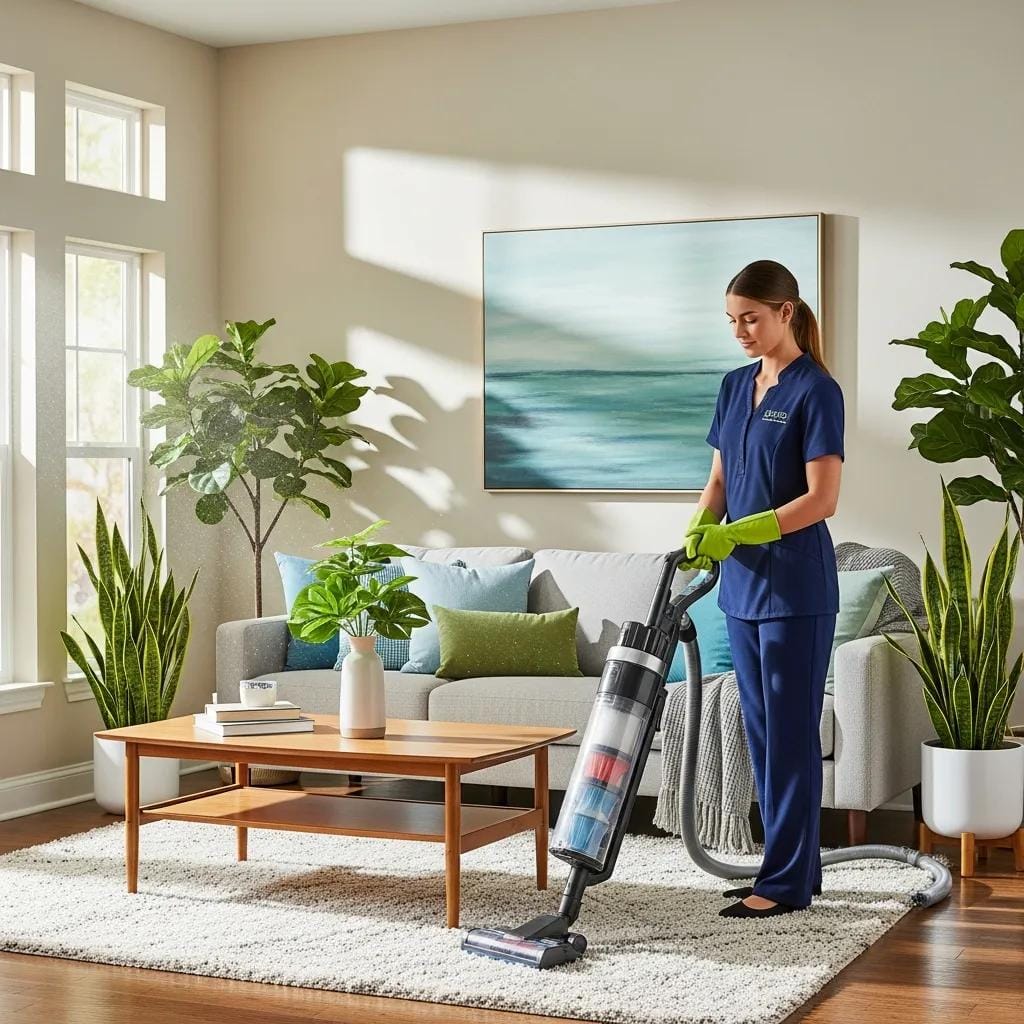
Professional cleaning focuses on removal, not just rearranging dust. A big part of that comes from equipment designed to capture fine particles instead of spreading them around. Vacuums with sealed systems and HEPA filtration are built to trap small debris so it stays in the machine, rather than leaking out and resettling elsewhere. That difference is important for health hygiene & indoor air quality because the particles that trigger symptoms are often the ones you cannot easily see.
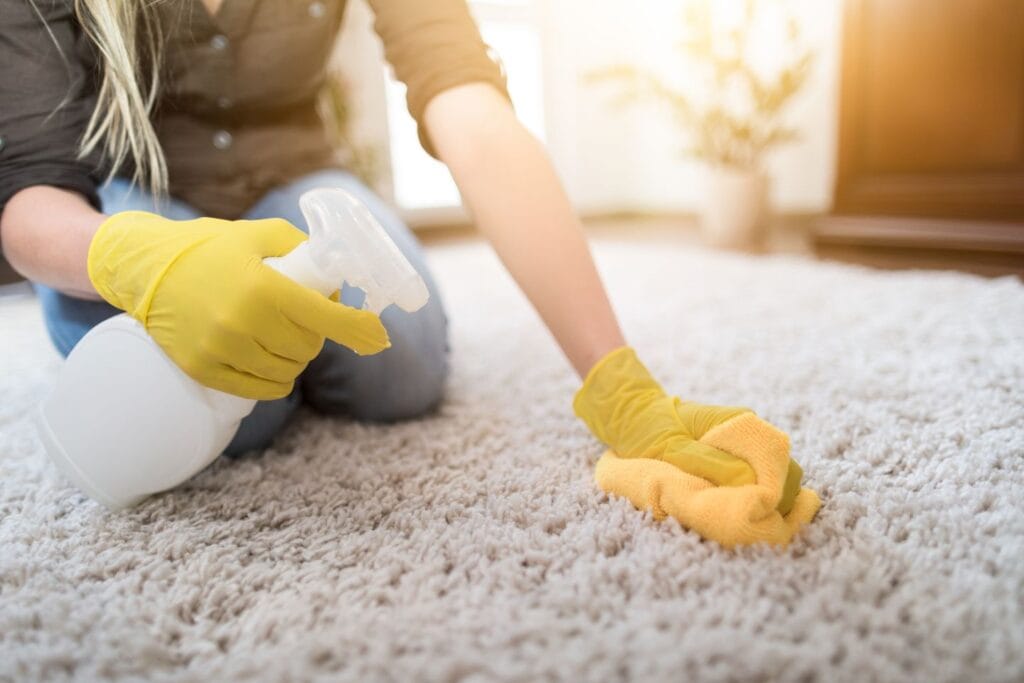
Professionals also tend to clean beyond the obvious surfaces. They spend time on edges, under furniture, and on soft materials that collect allergens. Upholstery and carpets can hold onto irritants for long periods, especially in homes with pets or heavy foot traffic. Deep cleaning methods, including hot water extraction or steam-based approaches, can lift debris that basic vacuuming misses and can help reduce odors that come from trapped residue.
When used appropriately, targeted products also play a role. The goal is not to overpower a space with fragrance, but to break down grime, remove buildup, and leave surfaces truly clean. That can include degreasing in kitchens, removing biofilm in bathrooms, and wiping high-touch areas where germs and residue collect. A cleaner surface means less material available to become airborne later.
What Health Benefits Result From Improved Indoor Air Quality?
When indoor air is cleaner, many people notice the difference in everyday comfort. For allergy-prone households, fewer airborne triggers can mean less sneezing, fewer irritated eyes, and less congestion. Cleaner air can also support better breathing, especially for people with asthma or other respiratory sensitivities. Even for those without diagnosed conditions, improved health hygiene & indoor air quality can reduce that lingering “stuffy” feeling some homes develop when dust and pollutants build up.
Better air quality can also affect sleep and focus. When you are not constantly reacting to irritants, it is easier to rest well and feel clear-headed during the day. While professional cleaning is not a medical treatment, it can remove common environmental stressors that contribute to discomfort, coughing, and chronic irritation. Over time, maintaining a cleaner indoor environment supports a home that feels easier to live in, not just nicer to look at.
What Are the Key Services for Enhancing Indoor Air Quality?
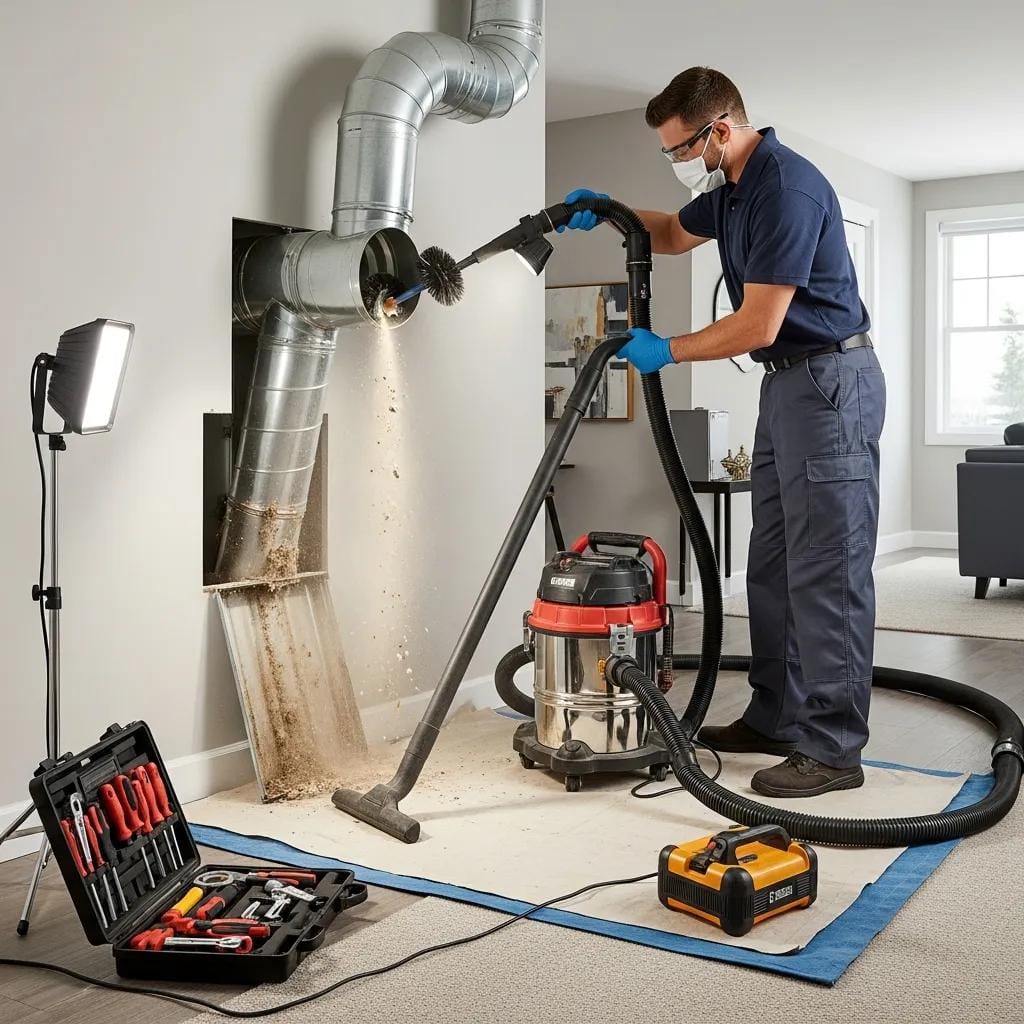
Improving health hygiene & indoor air quality usually comes down to controlling what builds up indoors and how often it gets re-circulated through the home. Several services work together to do that, and each one targets a different source of pollutants. Air duct cleaning focuses on the HVAC system, which is essentially the “lungs” of the building. Allergen-focused cleaning targets the soft surfaces and hidden areas where irritants collect and linger. Mold prevention cleaning focuses on moisture-prone spaces where growth can start and spread quickly.
It also helps to remember that indoor air problems are rarely caused by just one issue. Dust buildup, pet dander, and outdoor pollen can sit in carpets and upholstery, then get kicked back into the air every time the room is used. At the same time, moisture in bathrooms, laundry areas, or under sinks can raise humidity and increase the risk of musty odors and microbial growth. The best results usually come from combining services that address both particles and moisture, while also improving overall cleanliness standards across the space.
How Does Air Duct Cleaning Improve Air Quality And HVAC Efficiency?
Air ducts collect more than most people realize. Over time, dust, lint, pet hair, and other debris can settle inside the ductwork. When the HVAC system runs, some of that buildup can be disturbed and circulated, especially if the system has leaks, dirty filters, or heavy use. Air duct cleaning removes that accumulation, which can help cut down on the amount of dust moving through the home and landing back on surfaces.
There is also an efficiency angle. When vents and returns are clogged with debris, the system can have to work harder to move air. Cleaning the ductwork, along with related components when appropriate, can improve airflow and reduce strain. That does not guarantee lower bills for every home, but it can support smoother operation and reduce the “dusty air” feeling that many households notice during heating and cooling seasons. For homeowners focused on health hygiene & indoor air quality, duct cleaning can be a practical reset when dust levels seem high no matter how often you clean.
What Are The Benefits Of Allergen And Dust Mite Removal Cleaning?
Allergen and dust mite removal cleaning is especially helpful for households dealing with sneezing, itchy eyes, coughing, or asthma flare-ups. Dust mites thrive in warm, soft environments like mattresses, rugs, upholstered furniture, and heavy curtains. Pet dander and pollen also settle into those same surfaces, which is why wiping counters alone does not always change how a home feels.
This type of cleaning goes deeper than a quick vacuum. It often includes thorough vacuuming with equipment designed to capture fine particles, detailed cleaning along edges and baseboards, and deep cleaning of fabrics where allergens accumulate. In some homes, steam-based methods are used on appropriate surfaces to help lift embedded residue. The payoff is usually noticeable in comfort. Many people experience fewer triggers, less overnight congestion, and a space that feels fresher between cleanings. When your goal is better health hygiene & indoor air quality, reducing allergen reservoirs in the home can make everyday maintenance easier and more effective.
How Does Mold and Mildew Prevention Cleaning Protect Your Home and Health?
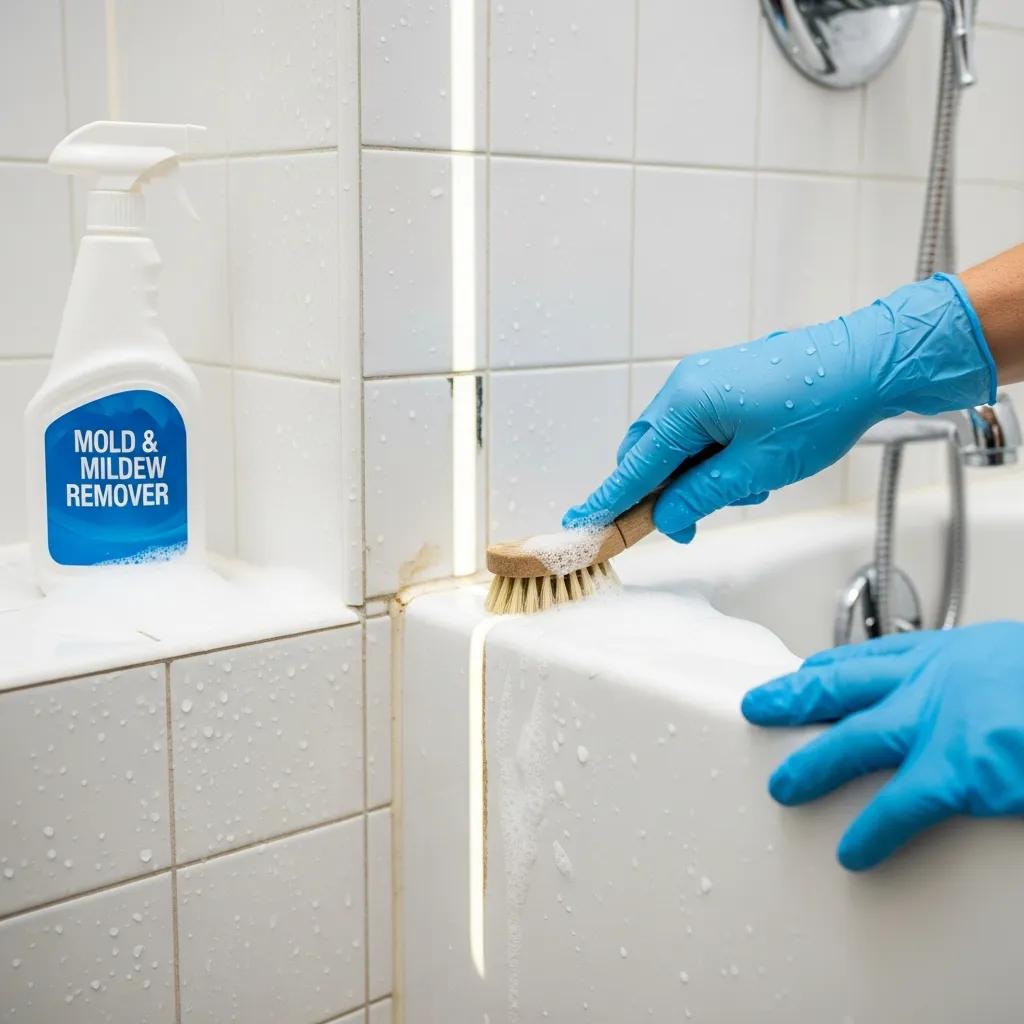
Mold and mildew are more than an appearance problem. When moisture hangs around, growth can start behind baseboards, under sinks, around windows, or in poorly ventilated bathrooms. As it spreads, it can release particles and odors that make a home feel stale, and it may aggravate allergies and respiratory symptoms for some people. That is why mold and mildew prevention is such an important part of health hygiene & indoor air quality, especially in homes that already struggle with dampness or recurring musty smells.
Prevention cleaning focuses on removing the conditions that allow growth to take hold. That typically means addressing residue that mold can feed on, cleaning high-moisture surfaces the right way, and supporting better airflow so damp areas dry out faster. It can also include checking common problem spots where water collects, such as grout lines, shower corners, around toilet bases, and the back edges of vanities where water splashes and never fully dries. When these areas stay cleaner and drier, it becomes harder for mold and mildew to return.
Another benefit of a prevention approach is that it protects building materials. Moisture and growth can discolor caulk, weaken drywall, and damage wood trim over time. Keeping those surfaces clean and controlling humidity reduces wear and can help avoid repairs that often start as a small issue that gets ignored. For homeowners focused on health hygiene & indoor air quality, mold prevention is one of the most practical ways to keep the home feeling fresh and comfortable year-round.
Why Is Humidity Control Important In Atlanta’s Climate?
Atlanta’s humidity can make it difficult for moisture to evaporate, especially in shaded parts of the home, basements, and bathrooms with limited ventilation. When indoor humidity stays high, surfaces dry more slowly, which increases the odds that mildew will develop on grout, caulk, and painted walls. High humidity can also make dust mites thrive, which can add to allergy issues and make indoor air feel heavier.
A realistic target range for indoor humidity is often around thirty to fifty percent. Staying within that range helps discourage mold growth while still keeping the home comfortable. Humidity control can be as simple as using bathroom exhaust fans consistently, running a dehumidifier in damp areas, and making sure HVAC filters and drainage lines are maintained. It also helps to address the habits that add moisture, such as drying wet towels indoors or leaving shower doors and curtains closed when everything is still wet. Small changes like these support health hygiene & indoor air quality without turning prevention into a big project.
What Areas Require Specialized Mold Prevention Cleaning?
Some areas are simply higher risk because they combine moisture, limited airflow, and surfaces that hold residue. Bathrooms are the obvious one, especially around showers, tubs, grout, and the underside of bath mats. Kitchens also deserve attention, particularly under sinks, around dishwashers, and near fridge drip pans where leaks can go unnoticed.
Basements, laundry rooms, and utility closets are also common trouble zones. These spaces can stay cool and damp, which encourages musty odors and recurring mildew on walls or stored items. Window sills and frames are another overlooked spot, since condensation can collect there during seasonal temperature swings. A prevention mindset means cleaning these areas thoroughly and then keeping them dry and ventilated so the conditions that caused the problem do not return. When done consistently, this approach supports health hygiene & indoor air quality and helps your home stay cleaner, drier, and easier to maintain.
How Can Deep Cleaning Services Support a Healthier Indoor Environment?
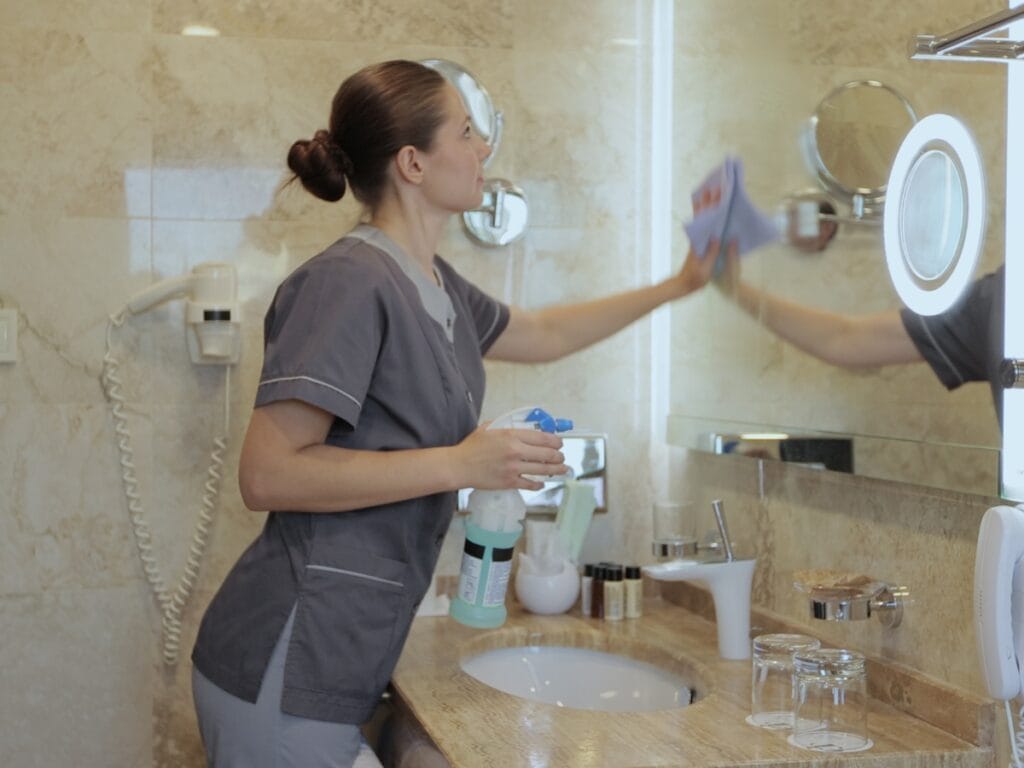
Deep cleaning services support a healthier indoor environment by tackling the buildup that everyday tidying does not fully address. Even in homes that look clean on the surface, dust, skin flakes, pet dander, and other particles can settle into fabrics, corners, vents, and under furniture. Over time, those particles can get kicked back into the air through walking, vacuuming with low-grade filters, or running heating and cooling systems. A true deep clean focuses on removing that hidden layer so the home feels fresher and is easier to maintain.
Deep cleaning can also help reduce sources of odor that linger in soft materials and high-touch areas. It is not a replacement for ventilation or humidity control, but it supports health hygiene & indoor air quality by reducing the stuff that contributes to stale air, irritation, and that dusty feeling that comes back quickly after a basic wipe-down. When deep cleaning is done on a consistent schedule, it becomes easier to keep day-to-day cleaning lighter without sacrificing the overall cleanliness of the space.
What Makes Residential Deep Cleaning Effective For IAQ?
Residential deep cleaning is effective for indoor air quality because it targets the places where allergens and pollutants like to hide. Carpets and rugs can trap fine particles that are hard to remove with quick passes. Upholstery holds onto pet dander, crumbs, and dust that settles deep in the fibers. Baseboards, ceiling fan blades, vents, and the edges behind furniture are also common collection points, and they are often skipped during routine cleaning simply because they take more time.
A well-executed deep clean uses methods that actually remove buildup instead of just moving it around. That might include thorough vacuuming with strong filtration, detailed wipe-downs of dusty surfaces, and careful cleaning of fabric surfaces where allergens settle. Another overlooked factor is the order of operations. Cleaning from higher areas down to the floor helps prevent recontamination, which matters if the goal is better health hygiene & indoor air quality rather than just a quick visual reset.
After a deep clean, many people notice that dust shows up less quickly, surfaces feel less gritty, and the home smells cleaner without relying on heavy fragrances. That is often a sign the source of the issue was removed rather than covered up.
How Do Commercial IAQ Cleaning Solutions Benefit Businesses?
Commercial spaces collect contaminants faster because they have more foot traffic, more shared surfaces, and more airflow cycling through larger areas. Deep cleaning that supports indoor air quality can make a noticeable difference in how a workplace feels, especially in reception areas, break rooms, and conference rooms where people gather. Cleaner air and less dust buildup can also help reduce distractions like odors, visible grime, or recurring stuffiness that makes a space feel uncomfortable.
From an operational standpoint, healthier indoor conditions support attendance and comfort. When a workplace stays cleaner at a deeper level, employees may experience fewer triggers related to dust and allergens, and customers often perceive the space as better maintained. In that sense, health hygiene & indoor air quality is not just about cleanliness, it is also part of the overall experience people have in the building.
For best results, commercial deep cleaning usually works alongside consistent maintenance. Regular upkeep handles the day-to-day mess, while deeper periodic cleaning resets the space so buildup does not quietly compound over time.
Conclusion
Investing in professional cleaning services is a direct investment in the health and hygiene of your home or workplace. By systematically removing allergens, dust, and harmful pathogens from surfaces and the air, you create a cleaner, safer environment that promotes well-being for everyone. For a deep, health-focused clean that truly makes a difference, trust the cleaning experts at Magic Cleaning Pros.
Ready to breathe easier in a healthier space? Call 678-515-5820 or visit our website for a free quote today. Let us provide the thorough cleaning your health deserves.