Your property’s exterior faces constant exposure to the elements—dirt, mold, mildew, and pollutants can gradually wear down surfaces, leaving them looking dull and potentially damaged. Regular pressure washing isn’t just about improving curb appeal; it’s a practical, preventive maintenance step that helps extend the lifespan of siding, driveways, decks, and more. By removing harmful buildup before it causes permanent staining or structural issues, pressure washing protects your investment and preserves your property’s value. In this article, we’ll explore how scheduled cleanings can keep your exterior in top shape while saving you money on costly repairs down the line.
Why Regular Pressure Washing Is the Secret to a Longer-Lasting Exterior
What Are the Key Benefits of Regular Pressure Washing for Property Lifespan?
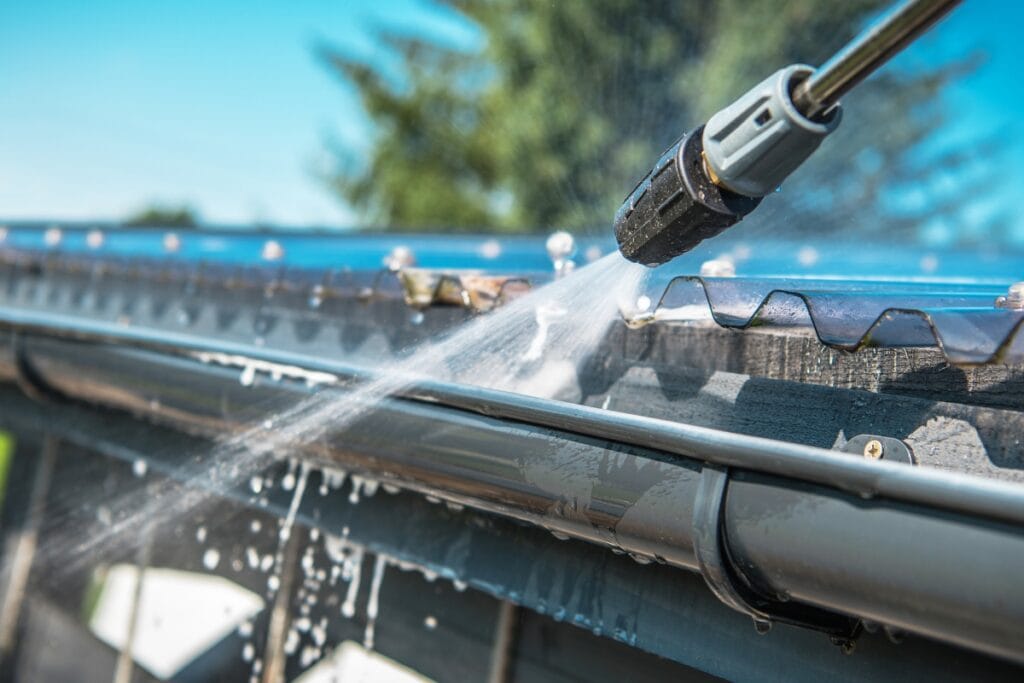
Keeping a property clean through scheduled pressure washing prevents the buildup of harmful contaminants that accelerate material wear. Mold, mildew, algae, and accumulated dirt can eat away at siding, decks, driveways, and concrete surfaces. By removing these substances before they settle in, pressure washing halts the early stages of decay and preserves the integrity of exterior materials. Over time, this preventive maintenance reduces the need for repairs or premature replacement, extending the overall lifespan of paint, wood, and masonry.
How Does Pressure Washing Prevent Exterior Surface Damage?
Pressure washing uses high-velocity water to blast away grime that weakens protective coatings and exposes underlying materials. When dirt and organic growth accumulate, they trap moisture against the surface, leading to peeling paint, wood rot, or concrete spalling. Targeted cleaning with adjustable pressure settings ensures that each surface—whether delicate wood or rugged stone—receives the right intensity to remove contaminants without causing harm. Routine washing interrupts the cycle of staining and erosion, maintaining a barrier against water intrusion and preserving the appearance and strength of exterior finishes.
In What Ways Does Pressure Washing Improve Property Value and Curb Appeal?
A well-maintained exterior signals to buyers and passersby that a home has been cared for. Removing stains, discoloration, and built-up grime instantly brightens siding, brickwork, and paved areas, creating a welcoming first impression. Freshly cleaned surfaces complement landscaping and architectural features, making the entire property feel newer and more attractive. In real estate markets, homes with clean exteriors often sell faster and command higher offers, as potential buyers associate curb appeal with overall maintenance. Pressure washing also simplifies tasks like repainting or resealing by providing a clean substrate, cutting down on prep work, and ensuring longer-lasting results.
How Does Removing Mold, Mildew, and Algae Protect Your Property’s Health?
Organic growth on exterior surfaces not only damages materials but can pose health risks. Mold and mildew produce spores that spread into the air, aggravating allergies, asthma, and other respiratory conditions. Algae on walkways and decks creates slippery patches that increase the risk of falls. By disrupting these growths, pressure washing removes both the visible colonies and their hidden root systems, preventing recurrence. This cleaning reduces allergen levels around the home’s perimeter and creates safer outdoor spaces, contributing to a healthier living environment for residents and visitors alike.
Why a Clean Substrate Matters for Ongoing Maintenance
Beyond immediate cleaning benefits, pressure washing prepares surfaces for future upkeep. Whether you’re applying a fresh coat of paint, sealing wood decking, or regrouting tile patios, starting with a contaminant-free base ensures better adhesion and longer-lasting protection. Residual dirt or mildew can interfere with primers and sealants, leading to uneven coverage and early failure of coatings. Regular washing eliminates these obstacles, simplifying maintenance tasks and extending the intervals between major renovation projects.
Which Exterior Surfaces Benefit Most From Regular Pressure Washing?
Pressure washing does more than brighten exteriors; it combats the buildup of harmful substances that accelerate wear. By blasting away dirt, mold, algae, and pollutants, this routine maintenance preserves materials and prevents costly repairs. Some surfaces, in particular, reap significant rewards from scheduled cleaning, as contaminants can degrade their protective layers and compromise structural integrity over time.
How Does Pressure Washing Extend the Life of Siding?
Siding materials such as vinyl, wood, and composite collect airborne grime, pollen, and organic growth that settle into grooves and seams. Left untreated, these deposits hold moisture against the surface, causing paint to peel, wood to warp, and composite panels to lose their structural strength. Regular pressure washing strips away debris before it penetrates protective coatings, maintaining both the color and the water-resistant properties of the siding.
On vinyl exteriors, gentle rinsing prevents microfractures in the material, reducing the risk of cracks and fading. In wood-finish applications, thorough cleaning followed by resealing or repainting wards off rot and insect damage, extending the siding’s effective lifespan and avoiding expensive panel replacements.
What Are the Advantages of Deck Cleaning for Longevity?
Outdoor decks endure constant exposure to sun, rain, and foot traffic. Wooden planks trap dirt, mildew, and pollen in their grain, leading to moisture retention that accelerates decay. Pressure washing clears away these agents, restoring the deck’s natural texture and reducing slip hazards. Once the surface is clean, applying a sealant or stain locks out water and UV rays, preventing the wood from cracking or splintering. Regular cycles of cleaning and recoating can double the interval between major repairs, making decks safer and more comfortable while preserving homeowner investment in outdoor living spaces.
How Does Roof Washing Protect Roofing Materials and Extend Lifespan?
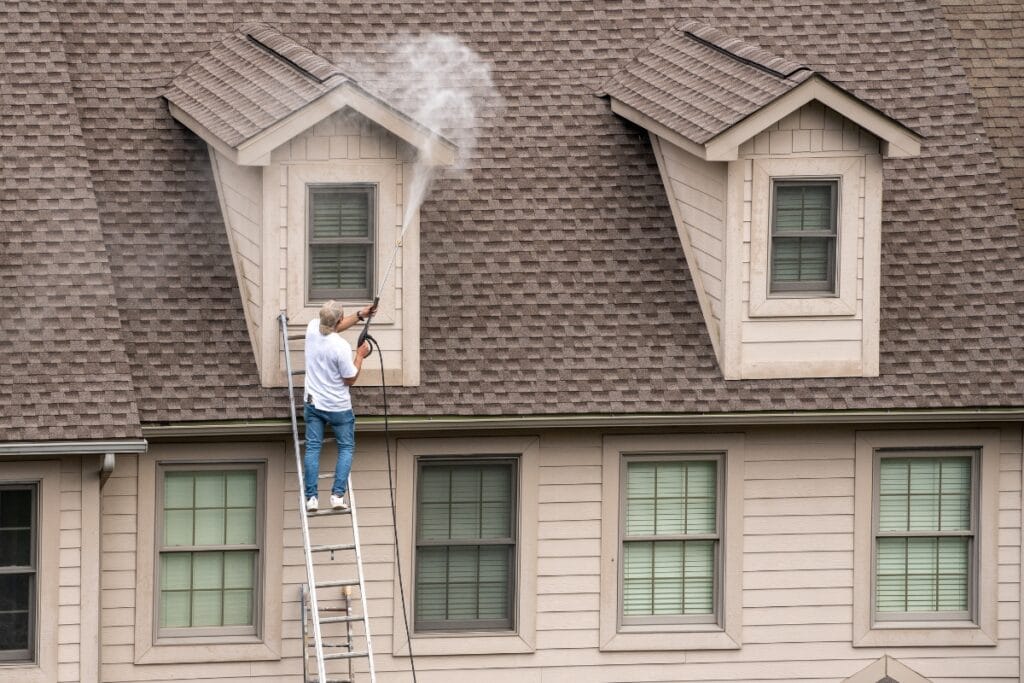
Roofs can become breeding grounds for moss, lichen, and algae, all of which lift and weaken shingles or tiles. Accumulated growth holds moisture against the roofing surface, leading to premature deterioration and leaks. Routine roof washing removes these organisms, ensuring rainwater runs off cleanly and reinforcing the weatherproof barrier.
Soft-wash techniques—using low-pressure sprays with mild detergents—prevent damage to delicate roofing materials while targeting root structures embedded in valleys and crevices. Keeping roofing surfaces clear of biological growth not only safeguards against leaks but also maintains the reflective qualities of bright shingles, contributing to better attic ventilation and lower cooling costs in hotter months.
Why Is Driveway Cleaning Important for Property Maintenance?
Driveways see constant wear from vehicle traffic, oil drips, and environmental fallout. Over time, these substances embed into concrete or asphalt, causing surface pitting, staining, and cracks that can expand under freeze-thaw cycles. Pressure washing lifts away stubborn oils, tire marks, and mold colonies that can make surfaces slick and unsafe.
Once the driveway is clean, minor cracks are easier to spot and repair, preventing deeper structural damage. Freshly washed pavement not only enhances curb appeal but also prepares the area for sealcoating or resurfacing treatments, extending the service life of the driveway and saving money compared to full replacement.
How Often Should You Schedule Pressure Washing to Maximize Property Life?
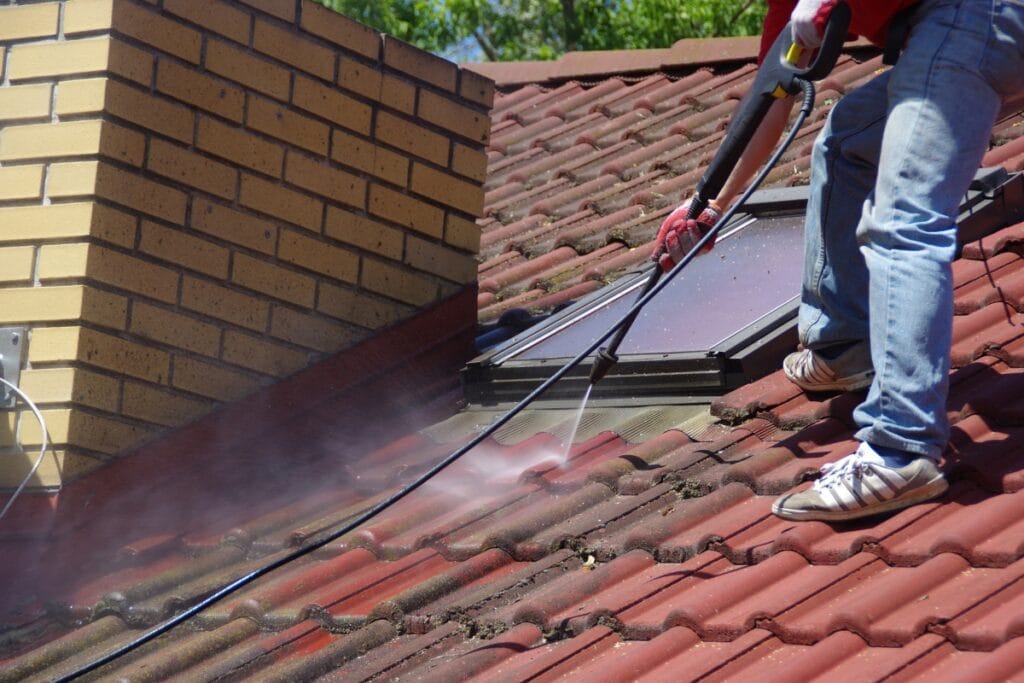
Keeping exterior surfaces clean through pressure washing prevents the buildup of harmful substances that accelerate wear and damage. The ideal cleaning interval varies by region, surface material, and environmental exposure. By tailoring your schedule to local conditions and property needs, you ensure that siding, decks, driveways, and roofs remain protected and attractive over the long term.
What Factors Influence the Recommended Pressure Washing Schedule?
Several elements determine how often a building should be washed. Climate plays a major role: humid or rainy areas encourage rapid growth of mold, algae, and mildew, which trap moisture and erode surfaces. Urban locations face higher levels of pollution, road dust, and vehicle exhaust, all of which settle as abrasive grime on walls and pavements.
High-traffic zones—driveways, walkways, and pool decks—collect dirt and organic debris more quickly than secluded areas, calling for more frequent cleaning. The age and condition of materials also matter: weathered wood or faded paint loses its protective qualities sooner, making it vulnerable to staining and rot. In contrast, modern surfaces treated with stain repellents or sealants can tolerate longer intervals between washes. Finally, seasonal changes influence timing: a spring wash removes winter salt and runoff, while a late summer treatment clears summer heat’s impact on algae growth.
How Does Climate Impact Mold and Mildew Growth on Exterior Surfaces?
Warm, moist conditions create an ideal breeding ground for mold and mildew, especially in shaded areas where sunlight can’t dry surfaces quickly. Vinyl and composite siding develop slimy streaks, wooden decks can host green patches, and roof shingles may grow black algae that discolor and weaken roofing materials. In consistently humid regions, these organisms can return within weeks, making quarterly cleanings a practical necessity.
Drier climates, with fewer rainy days and low humidity, slow biological growth, allowing homeowners to schedule pressure washing every six months without risking permanent staining or material decay. Regardless of climate, prompt removal of mold and mildew is essential: once stains set in or wood fibers begin to break down, no amount of cleaning can fully restore the original condition.
Establishing Your Pressure Washing Routine
Begin by inspecting all exterior surfaces for signs of buildup—green or black streaks, slippery patches, or faded finishes. In humid, shaded, or high-traffic areas, plan for washing every three to four months. For surfaces that receive ample sunlight and limited moisture, a twice-yearly schedule—once in spring after pollen season and again in early fall—often suffices. After washing, apply sealants or protective coatings as needed to extend the period between cleanings. Keep a maintenance log noting every wash date, observed conditions, and any follow-up treatments, such as sealing or spot repairs.
Benefits of a Consistent Cleaning Schedule
Routine pressure washing preserves the integrity of paint, wood, concrete, and roofing materials by preventing contaminants from embedding in surface pores. This proactive approach reduces the likelihood of costly repairs—rotten deck boards, eroded driveway pavers, or leaky roofs—and maintains curb appeal.
Clean exteriors also support indoor air quality by minimizing mold spores that can enter through windows and vents. Whether you manage a historic home or a modern building, a well-planned pressure washing and cleaning schedule protects your investment, enhances safety by removing slippery algae, and keeps your property looking its best through every season.
What Are the Different Pressure Washing Techniques and Their Effects on Property Longevity?
Choosing the right washing technique is crucial for both cleaning effectiveness and protecting exterior surfaces from damage. High-pressure methods excel at removing stubborn grime, while gentler options preserve delicate materials and coatings. Understanding each approach and its impact on various surfaces helps homeowners extend the lifespan of their siding, decks, roofs, and paved areas.
When Is Soft Washing Preferred Over Power Washing?
Soft washing employs low-pressure water streams combined with biodegradable cleaning solutions. The detergents break down mold, mildew, and algae before a gentle rinse removes residues. This method prevents the surface abrasion that can occur with high-pressure blasts, making it ideal for older roofing shingles, painted wood siding, and stucco walls. Soft washing preserves paint films and protective sealants while effectively clearing biological growth that holds moisture against the building envelope. Because soft washing uses less water overall and relies on eco-friendly chemicals, it also minimizes runoff impacts on landscaping and local waterways.
How Power Washing Restores Durable Surfaces
Power washing uses higher pressures—typically 1,500 to 3,000 PSI—to strip away deep-set dirt, oil stains, and peeling paint. It is best suited for robust materials such as concrete driveways, brick patios, and metal gutters. The intense spray removes years of built-up deposits, revealing a fresh substrate.
While power washing delivers dramatic visual improvements, excessive pressure can etch or pockmark softer surfaces like wood or low-density composite decking. Skilled operators adjust nozzle size and spray angle to match the material, avoiding damage while maximizing cleaning power. When followed by proper sealing or staining, power-washed decks and walkways can resist moisture intrusion and UV deterioration for longer periods.
Cold Water vs. Hot Water Techniques
Standard pressure washing relies on cold water, which is sufficient for most dirt and grime. However, hot water systems heat the spray to temperatures above 140°F, improving grease and oil removal on driveways, commercial kitchen exteriors, and mechanical equipment.
The elevated temperature accelerates the breakdown of hydrocarbons and sanitizes hard surfaces by killing algae spores and bacteria. Use hot water on oil-stained concrete or industrial exteriors where conventional cold water cleaning falls short. For home use, cold-water systems remain the choice for routine maintenance, while hot-water units serve more specialized cleaning needs.
Nozzle Selection and Spray Patterns
The angle and concentration of the water stream directly influence cleaning effectiveness and surface safety. A narrow, zero-degree nozzle delivers a pinpoint blast for removing graffiti or rust deposits but risks surface gouging if misused. Wider fan nozzles at 25 to 40 degrees reduce pressure concentration, providing a safer spray for general cleaning tasks. Rotary or turbo nozzles add a rotating action that dislodges stubborn debris more quickly than a static stream. Professionals choose nozzle types based on the material’s hardness and the nature of the soil, ensuring that each surface receives the right balance of force and coverage.
How Can Professional Pressure Washing Services Ensure Safe and Effective Exterior Maintenance?
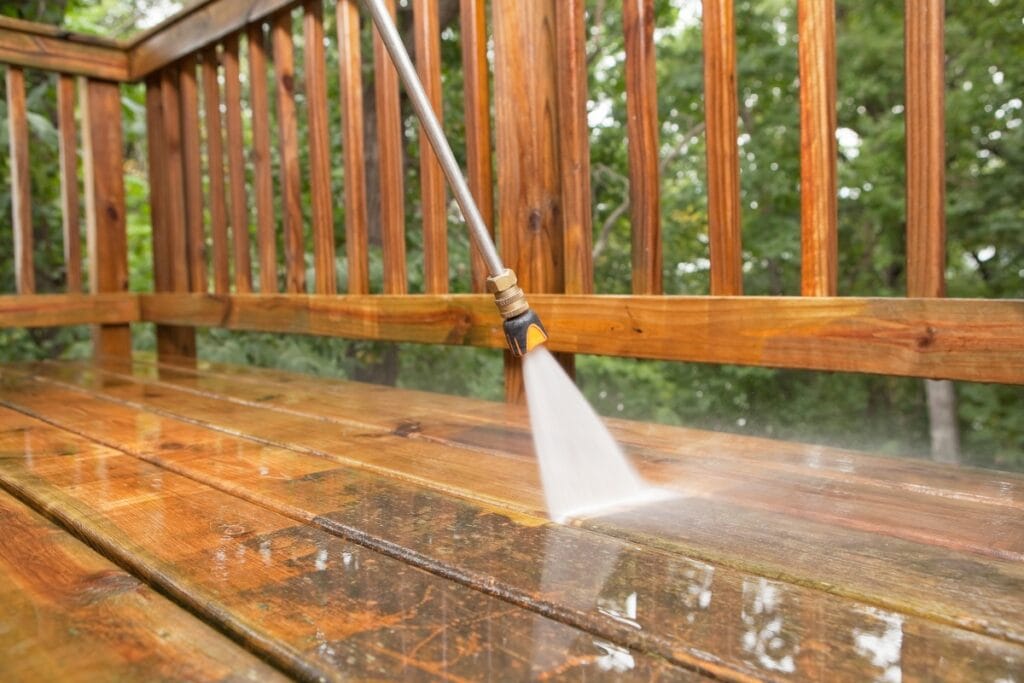
Engaging professional pressure washing services delivers thorough cleaning without risking damage to your property. Experienced technicians evaluate each surface—vinyl siding, wood decks, concrete driveways, or stucco walls—to select the right combination of water pressure, cleaning agents, and application methods. Their understanding of material properties and local climate conditions allows them to remove dirt, mold, and pollutants efficiently while preserving the integrity of paint, sealants, and substrates.
What Expertise Do Trained Technicians Bring to Pressure Washing?
Certified technicians undergo training in equipment operation, chemical safety, and environmental regulations. They know that a one-size-fits-all approach can harm delicate surfaces or fail to clear stubborn stains. By assessing the age and condition of siding or the porosity of pavers, professionals dial in pressure settings that push away contaminants without stripping away protective finishes.
They also choose cleaning solutions—biodegradable detergents, oxygenated bleach, or mild surfactants—based on the specific soil types they encounter, from oily driveway spots to algae-covered roof shingles. In addition, technicians conduct small test patches to confirm the proper technique before proceeding to larger areas. This careful planning prevents unintended etching, discoloration, or gouging.
How Do Professionals Handle Delicate Surfaces to Prevent Damage?
Delicate materials such as wooden decks, fiber-cement siding, or intricate masonry require tailored methods. Technicians employ soft washing—using low-pressure sprays and targeted detergents—to break down mold and mildew without forcing water into cracks or beneath overlaps. Variable-pressure equipment lets them adjust from 500 PSI on fragile surfaces up to 3,000 PSI for concrete cleaning.
Specialized nozzles control the spray pattern, allowing for flat fan or rotary agitation where needed. When working on ornate brick or limestone, crews apply cleaning agents and allow dwell time before gentle rinsing, avoiding aggressive scrubbing that could erode mortar joints. These techniques maintain the appearance and structural integrity of sensitive materials.
What Are the Benefits of Hiring Insured and Certified Pressure Washing Providers?
Choosing insured, certified professionals offers protection against accidental damage and liability. If a misdirected spray harms landscaping or a worker is injured on-site, coverage ensures repairs and medical expenses are handled without cost to the homeowner. Certification programs guarantee that technicians follow industry best practices for safety, environmental compliance, and equipment maintenance.
This commitment to standards translates into transparent pricing and clear contracts, so clients know exactly what to expect. Reliable providers also document before-and-after conditions, helping homeowners track maintenance intervals and plan future projects like painting, staining, or concrete sealing.
What Common Problems Does Regular Pressure Washing Solve to Extend Property Life?
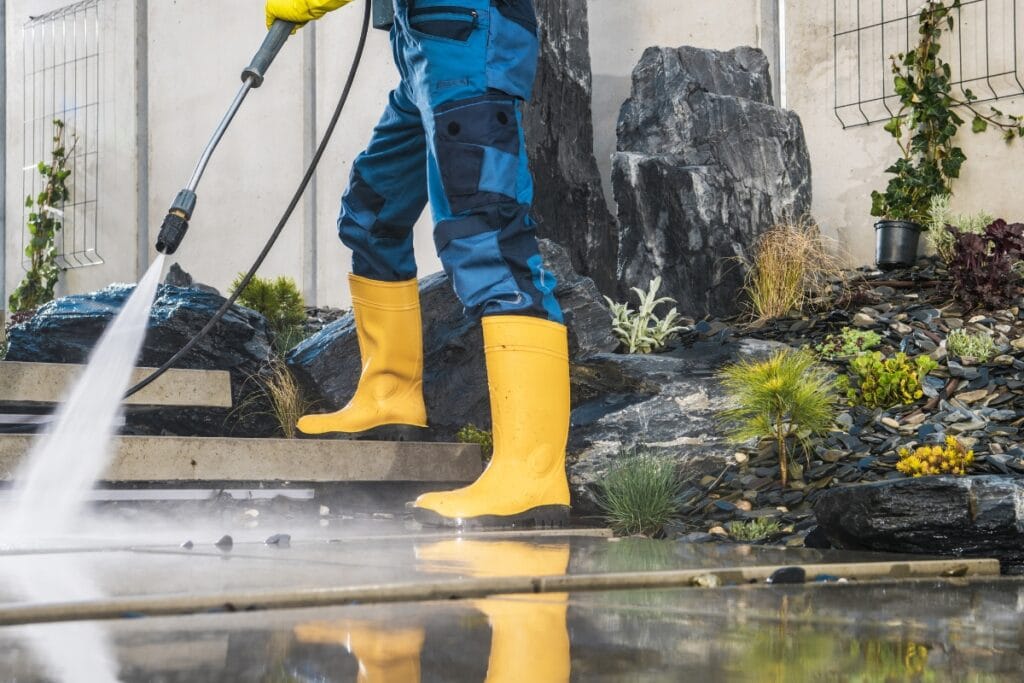
Exterior surfaces exposed to the elements collect grime, pollutants, and organic growth that accelerate wear and decay. Pressure washing removes these harmful deposits before they can undermine siding, decks, driveways, and roofs.
Dirt and airborne particles settle into tiny pores and cracks, trapping moisture that leads to fading paint, wood rot, and metal corrosion. Oil and grease stains on concrete break down surface binders, causing pitting and cracks under seasonal freezes. Regular cleaning restores the original finish, preserves protective coatings, and prevents minor blemishes from turning into major repairs. By eliminating the sources of material degradation early, property owners extend the lifespan of their exteriors and avoid costly replacement projects.
How Does Pressure Washing Remove Mold, Mildew, and Algae Effectively?
Mold, mildew, and algae thrive in damp, shaded areas on wood, vinyl, and masonry. Left unchecked, these organisms extract nutrients from surface finishes and trap moisture against building materials, leading to rot and structural weakness. Pressure washing combines the physical impact of high-velocity water with cleaning agents formulated to break down organic cell structures. As the detergent loosens clinging growth, the wash stream flushes away spores and residual debris.
This two-step attack not only clears visible stains but also removes the underlying food source, reducing the chance of rapid regrowth. Treated surfaces dry faster and maintain a healthier environment by minimizing airborne spores that can aggravate allergies and respiratory conditions. Consistent removal of biological buildup prevents slippery walkways, stained siding, and damaged roof shingles, restoring both safety and curb appeal.
How Does Pressure Washing Prevent Long-Term Structural Damage?
Contaminants on exterior surfaces lead to a cycle of moisture retention and material breakdown. Dirt and pollutants hold water against paint, wood, and concrete, causing freeze-thaw cycles that widen cracks and create micro-fractures. Over time, these tiny openings grow larger, letting in more moisture that triggers swelling, warping, and rust. Pressure washing interrupts this cycle by stripping away harmful deposits before they penetrate deeply. By clearing out crevices and joints, the high-pressure spray allows surfaces to dry thoroughly, preserving the adhesion of paint and sealants.
Regular cleaning also makes it easier to spot emerging issues—loose shingles, rotted decking boards, or cracked pavers—and address them promptly. This preventive approach maintains structural integrity and limits deterioration to surface layers, significantly lowering the likelihood of emergency repairs and helping properties stay in top condition for decades.
How Can You Monitor and Maintain Your Property Between Pressure Washing Services?
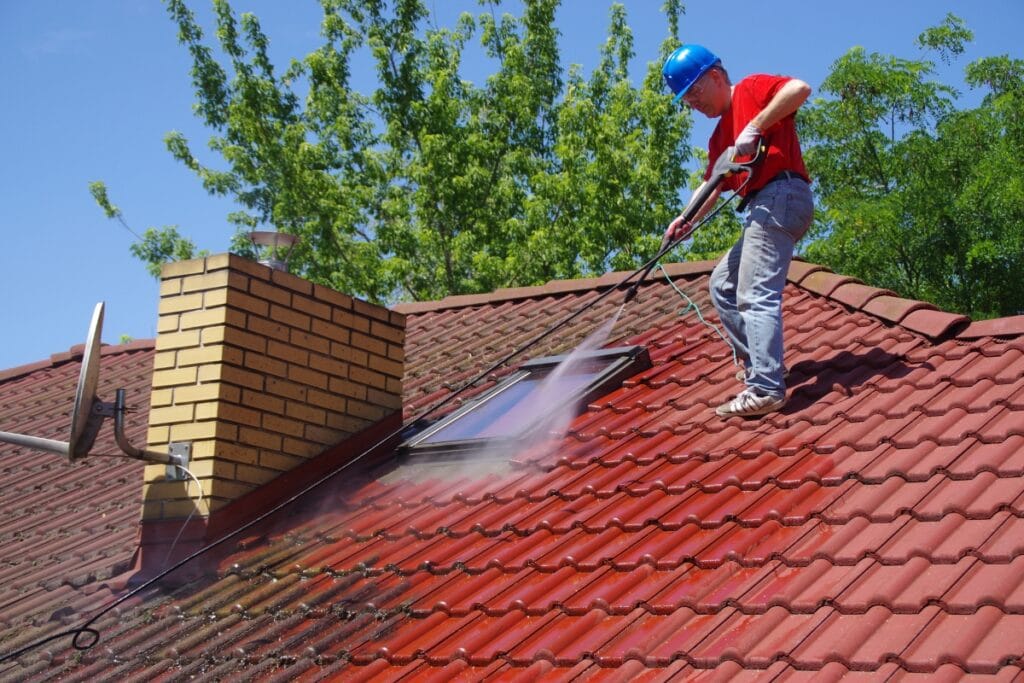
Between professional pressure washing appointments, simple upkeep and regular inspections help keep exterior surfaces clean and protected. By staying proactive, homeowners can prevent the return of grime, mold, and stains while preserving the results of each wash. Routine care also makes it easier to spot emerging issues before they become costly repairs.
Simple Exterior Care Tips to Prolong Cleaning Results
Clearing leaves, dirt, and debris from siding, decks, and paved areas stops moisture from being trapped against surfaces. A quick sweep of walkways or gentle brushing of deck boards after storms prevents organic material from decomposing and staining the underlying finish. Gutters equipped with guards keep leaves out of downspouts and reduce overflow that can splash dirt onto walls.
Trimming back overhanging branches improves sunlight exposure and air circulation, helping roofs and siding dry more quickly after rain. When small patches of discoloration or mildew appear, a light spot cleaning with mild detergent and low-pressure spray restores color and prevents the spread of stains. After each pressure wash, applying an appropriate sealant on concrete, stone, or wood provides a protective layer, repelling water and reducing the accumulation of soil particles.
When to Schedule Follow-Up Pressure Washing or Inspections
Determining the right interval for follow-up cleanings depends on how quickly outdoor surfaces show signs of soiling. In areas with heavy pollen fall, frequent rainfall, or nearby construction, grime may return within three to four months, signaling the need for a mid-season wash. Conversely, in dryer, less trafficked locations, an annual spring cleaning may suffice to remove winter salts, dirt, and debris.
Scheduled inspections after severe weather events—such as prolonged rain, windstorms, or hail—help identify loose shingles, cracked concrete, or clogged gutters that can accelerate dirt buildup. If moss or algae reappears on shaded walls or roof sections, it indicates that moisture control measures need reinforcement, and an early cleaning session can prevent deeper surface damage. Keeping a log of cleaning dates, observed conditions, and any maintenance performed offers a clear record that guides future scheduling and helps maintain a consistent care routine.
Integrating Maintenance Into Your Home Care Plan
Exterior maintenance works best when it fits into a broader home care strategy. Pair pressure washing with seasonal tasks such as repainting trim, re-staining decks, and checking for caulk gaps around windows. Combining these efforts reduces the total number of service visits and ensures that fresh coatings bond to clean surfaces.
During routine lawn care, monitor paving edges for emerging cracks that can trap dirt and water. Periodically inspect vents, downspouts, and flashings for blockages or damage that may divert water onto finished walls. By weaving simple cleaning habits and targeted inspections into your regular home maintenance schedule, you’ll keep exteriors looking their best, extend the life of siding, roofing, and hardscapes, and maintain property value over the long term.
Frequently Asked Questions
Q: How frequently should I have my property pressure-washed? A: Frequency depends on environmental exposure, traffic, and climate. High-exposure properties in humid areas may need cleaning quarterly, while others might be maintained with biannual services. Regular inspections help adjust the schedule.
Q: Can pressure washing damage my siding or roof? A: When performed by trained professionals using correct settings—such as soft washing for delicate surfaces—pressure washing is safe. Incorrect use of high-pressure water can cause damage, so professional services are recommended.
Q: Are eco-friendly cleaning agents as effective as traditional chemicals? A: Yes, modern eco-friendly agents break down dirt, mold, and algae effectively while minimizing environmental impact. They are commonly used in soft washing to protect surfaces and meet sustainability goals.
Q: How does pressure washing improve property value? A: Pressure washing enhances curb appeal by dramatically improving exterior appearance. A well-maintained property attracts higher market value and instills buyer confidence.
Q: What safety measures are in place during pressure washing? A: Professionals use personal protective equipment (PPE), proper pressure settings, and strict safety protocols. Insured and certified technicians ensure the process avoids accidental damage.
Q: Is it necessary to schedule professional pressure washing, or can I do it myself? A: While DIY is possible, professional services offer expert assessment, tailored techniques, and proper equipment to ensure safe and effective cleaning, reducing the risk of damage.
Q: Does regular pressure washing reduce long-term maintenance costs? A: Yes, removing contaminants early prevents structural damage, significantly reducing the need for costly repairs or premature replacement of materials.
Final Thoughts
By investing in routine pressure washing, you’re not just keeping your home or business looking its best—you’re safeguarding your siding, decks, driveways, and more from premature wear and costly damage. Magic Cleaning Pros combines expert techniques with eco-friendly solutions to remove grime, mold, and pollutants that can erode your property over time. Ready to preserve your investment and boost your curb appeal with professional pressure washing? Call Magic Cleaning Pros today at 678-515-5820 or fill out the free quote form on our website to schedule your service and give your property the care it deserves.