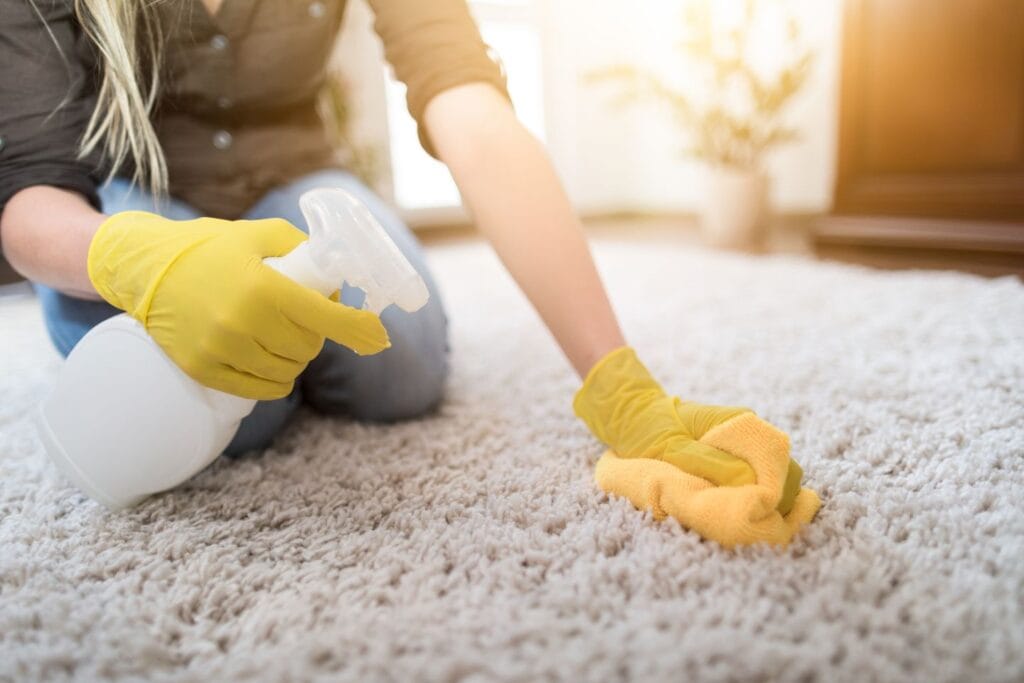
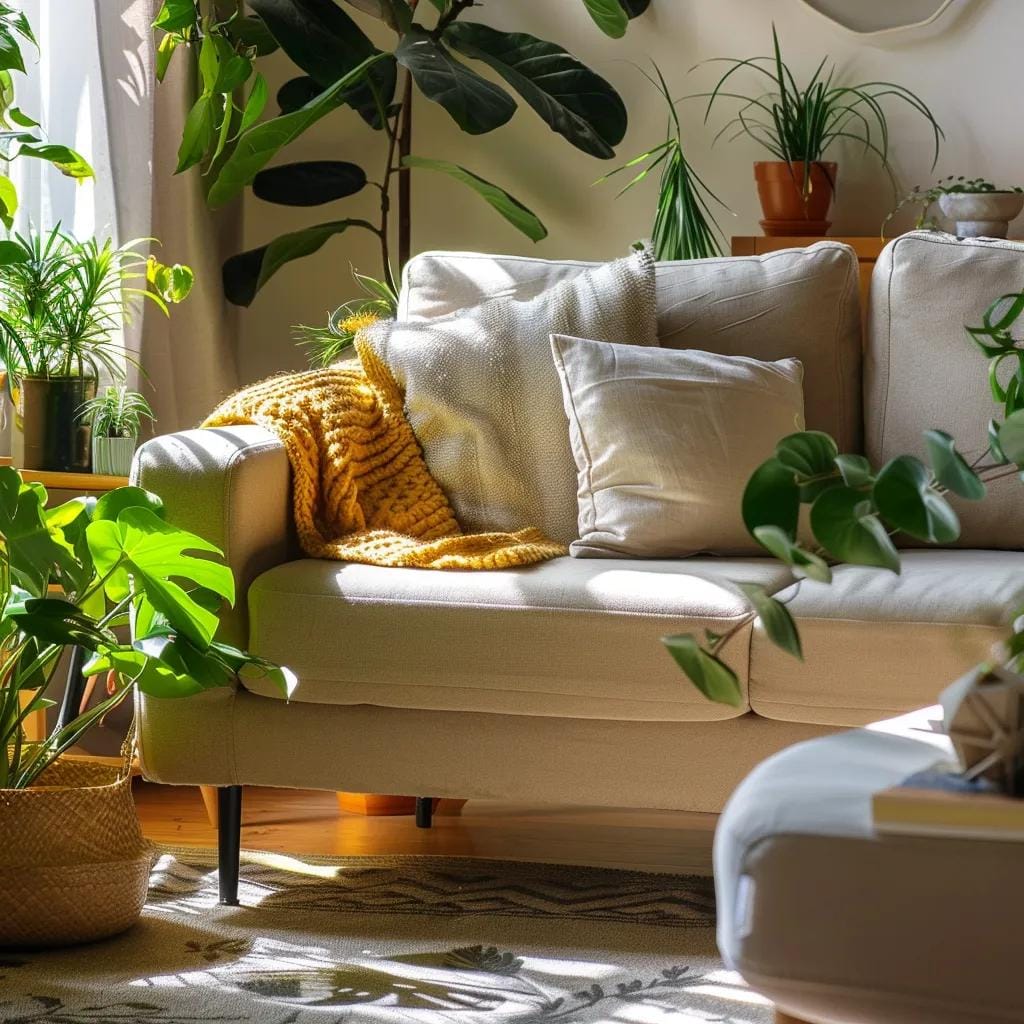
Keeping your upholstery clean and fresh is essential for maintaining a beautiful and inviting home, but dirt, spills, and everyday wear can take a toll on your furniture. Regular cleaning not only preserves the appearance of your sofas, chairs, and cushions but also extends their lifespan and improves indoor air quality. In this guide, we’ll share expert upholstery cleaning tips—from quick spot treatments to deep-cleaning methods—so you can protect your investment and enjoy fresh, like-new furniture for years to come.
Upholstery Cleaning Tips to Keep Your Furniture Looking New
What Are Upholstery Cleaning Codes and How Do They Guide Fabric Care?
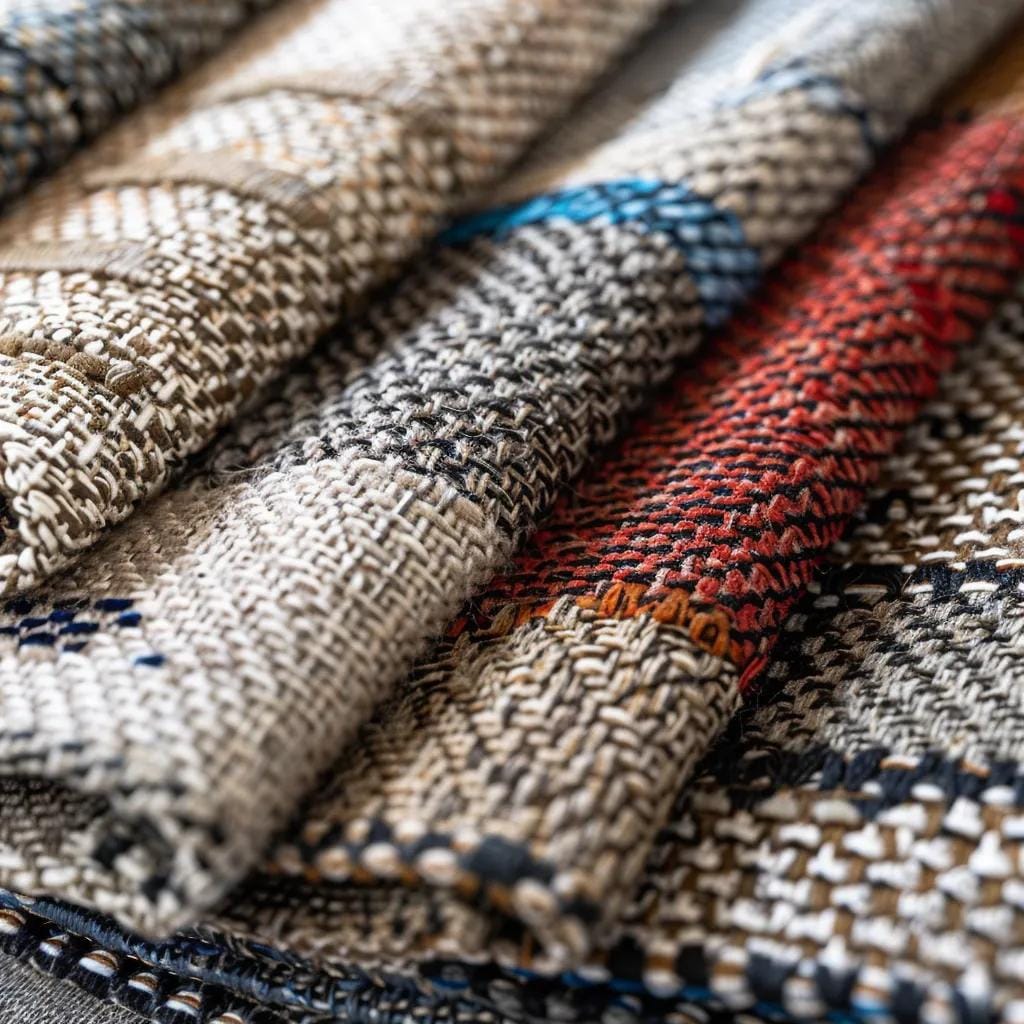
Every upholstered piece in your home comes with hidden instructions for proper care – the cleaning codes. These simple letter codes, found on tags or manufacturer labels, tell you exactly how to clean different fabrics without causing damage. Knowing how to read them can mean the difference between a spotless sofa and a ruined recliner.
The Five Main Cleaning Codes Explained
The most common codes you’ll encounter are W, S, WS, X, and D. Each corresponds to specific cleaning methods suitable for different fabric types.
- Code W (Water-based cleaning): Found on many everyday fabrics like cotton, polyester, and microfiber, this code means you can use water-based cleaners. Mix a small amount of mild detergent with water, gently scrub with a soft brush, then blot dry. Avoid soaking the fabric – too much water can cause stains to spread or leave water marks.
- Code S (Solvent cleaning only): Delicate fabrics like silk, velvet, or some synthetic blends carry this code. These materials can’t handle water, so you’ll need special dry cleaning solvents. Always test in an inconspicuous area first and work in a well-ventilated space.
- Code WS (Water or Solvent): This flexible code appears on blended fabrics that can handle either method. Check which type of stain you’re dealing with – water-based cleaners for food or drink spills, solvents for grease or oil.
- Code X (Vacuum only): The most restrictive code means no liquids or cleaners of any kind. These delicate fabrics (like some antique textiles) only tolerate gentle vacuuming with an upholstery attachment. Any stains require professional attention.
- Code D (Professional Dry Cleaning): When you see this code, don’t attempt home cleaning. Specialty fabrics like fine silks or certain decorative weaves need professional care to prevent shrinkage, color bleeding, or texture damage.
Practical Cleaning Tips for Different Codes
For W-coded fabrics, act quickly on spills before they set. Blot (don’t rub) with a clean cloth, then use a mild cleaner. With S-coded items, keep solvent cleaners on hand for accidental stains – they evaporate quickly without leaving residue. WS-coded furniture gives you options. Water-based methods work for most general cleaning, while solvents handle tough grease stains. For X and D codes, prevention is key. Use throws or slipcovers to protect these delicate pieces.
Why These Codes Matter
Ignoring cleaning codes can lead to faded colors, shrunk fabric, or permanent stains. That beautiful velvet couch? Water could leave permanent rings. That light-colored microfiber chair? Solvents might discolor it. The codes take the guesswork out of upholstery care.
What Are the Best Daily and Weekly Upholstery Maintenance Tips?
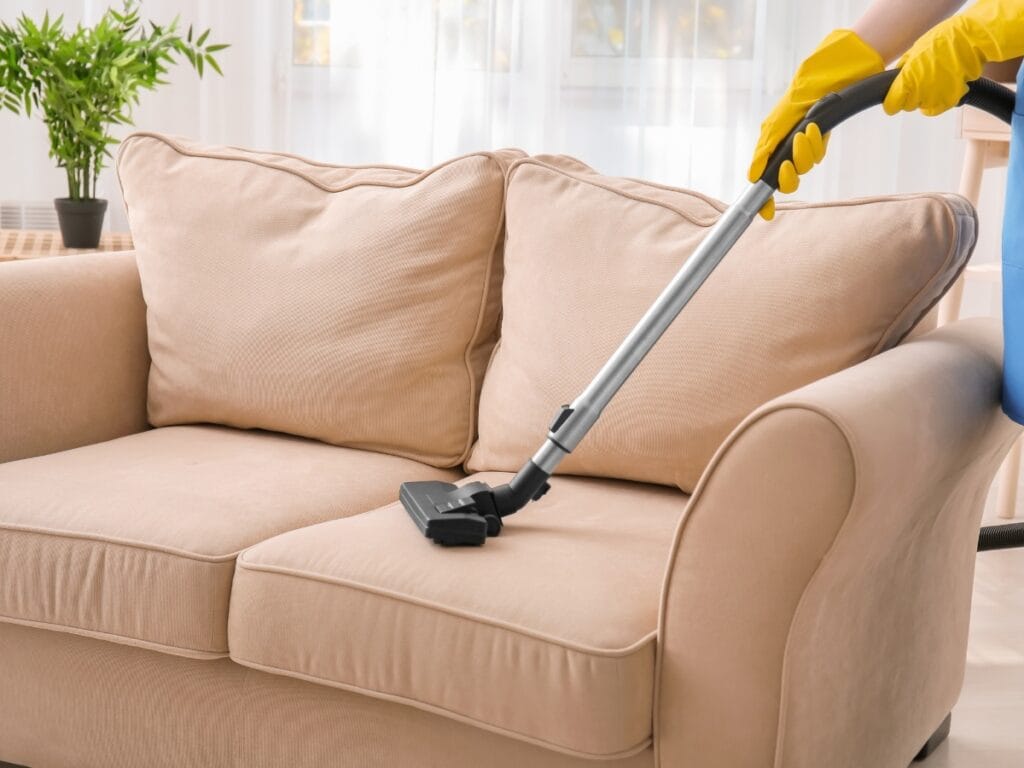
Consistent upkeep keeps upholstered furniture looking its best. Spend a few minutes each day using a soft brush or clean cloth to remove surface dust and small debris. This simple habit stops particles from working their way into the fabric and abrading fibers. Once a week, perform a more thorough cleaning routine: vacuum with a soft‐brush attachment over seats, arms, and creases to pull out allergens, pet hair, and fine dirt. By combining daily light care with a weekly deep vacuum, you address both loose surface soil and hidden debris before they cause visible wear or discoloration.
Vacuuming Frequency and Tool Selection
Vacuuming at least once a week prevents buildup that can shorten fabric life. The ideal tool is a soft‐brush head or a microfiber‐friendly attachment that glides over delicate textiles without snagging. Using a vacuum equipped with a HEPA filter further enhances indoor air quality by trapping microscopic dust and pollen. Focus on areas that receive the most use—cushions, armrests, and backrests—so that fibers remain lofted and stitching stays intact. Regular vacuuming not only maintains a fresh appearance but also reduces the need for professional deep cleaning.
Importance of Immediate Spill Blotting
Accidents happen, but quick action minimizes damage. The moment liquid lands on upholstery, press a plain white microfiber cloth gently against the spot to absorb moisture without pushing it deeper. Avoid rubbing, which can spread the spill and embed it into the weave. If the fabric tolerates a mild cleaner, dampen the cloth slightly rather than applying any solution directly to the furniture. Prompt blotting prevents stains from setting and keeps fibers from discoloring, making routine cleanings simpler and preserving the material’s original color and texture.
Cushion Rotation for Even Wear
Cushions that see constant use develop indentations and uneven wear if left in the same position. Every month, rotate and flip any removable cushions so that all sides experience similar pressure. This practice allows foam cores and fiber fillings to redistribute evenly, helping cushions maintain their shape and support. In fixed‐cushion sofas, swap cushion positions when possible or reverse reversible covers to spread out friction. By routinely redistributing weight and movement, you ensure a uniform appearance, sustain comfort, and prolong the life of your upholstery fabrics.
How Can You Deep Clean Upholstery at Home?
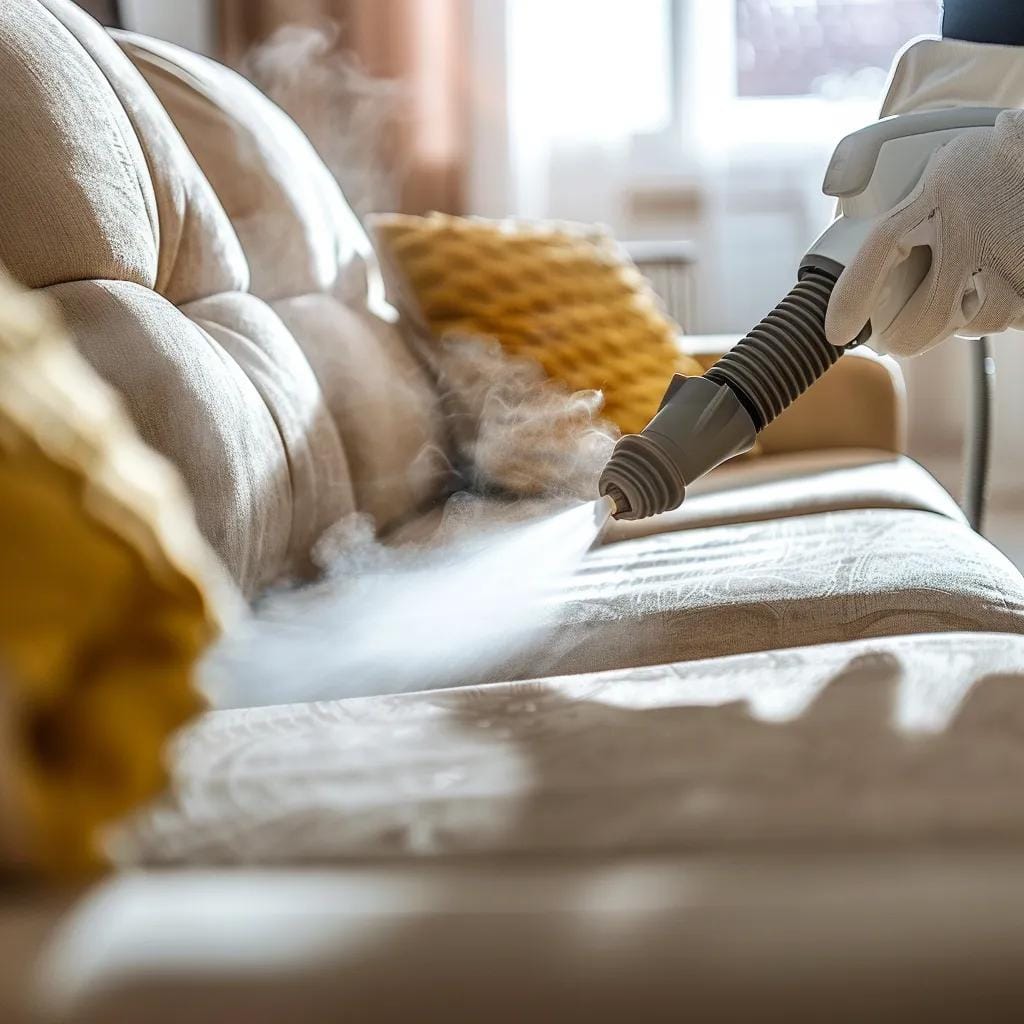
Taking upholstery beyond routine vacuuming requires methods that reach embedded dirt and allergens. Begin by testing a small, hidden area of the fabric to confirm compatibility with water or cleaning solutions. For visible stains, apply a manufacturer-approved spot cleaner or a gentle mixture of mild dish soap and warm water. Blot rather than rub to lift the stain without spreading it. Once spots are addressed, use a handheld steam cleaner or a home hot-water extraction machine. Work in small sections, passing the tool evenly over the surface to avoid over-wetting. After cleaning, open windows or switch on fans to encourage at least four hours of airflow before replacing cushions. This ensures fabrics dry thoroughly and helps prevent mold or mildew.
DIY Solutions for Common Stains and Odors
Everyday fabrics benefit from simple, household ingredients. A diluted dish-soap solution can tackle food spills on durable weaves, while club soda’s carbonation helps break up fresh wine or coffee stains on cotton blends. For lingering odors, sprinkling baking soda over upholstery and letting it sit overnight absorbs smells; vacuum it away the next morning. Always blot excess liquid immediately and follow with a dry towel to pull moisture from the fibers. Matching each solution to the fabric’s care code—water-safe, solvent-only, or dry-clean recommended—prevents damage and maintains the material’s appearance.
Safe Use of Steam Cleaning and Hot-Water Extraction
Steam cleaners harness high-temperature vapor to loosen dirt without soaking the fabric, while hot-water extraction machines inject a mild detergent solution and immediately extract it along with trapped soil. When operating these machines, limit moisture by moving the wand slowly and keeping it flat against the surface. Overlapping passes ensure even coverage without puddling. After each section, switch the machine to extraction-only mode to remove excess liquid. This approach revitalizes fibers, restores color vibrancy, and significantly reduces dust mites and allergens compared to surface cleaning alone.
Knowing When to Hire a Professional
Home methods work well on most routine stains and general soil, but certain situations call for expert care. Fabrics labeled “dry-clean only” require specialized solvents and handling to avoid shrinkage or color loss. Deep-set stains—such as ink or dye transfers—or persistent odors may indicate contamination too embedded for DIY treatments. In these cases, a professional cleaning service with commercial-grade equipment and eco-friendly solvents can safely restore upholstery. Technicians can also address delicate or antique fabrics that need precise care, ensuring your furniture looks its best without risking damage.
How Do You Remove Common Stains from Upholstery?
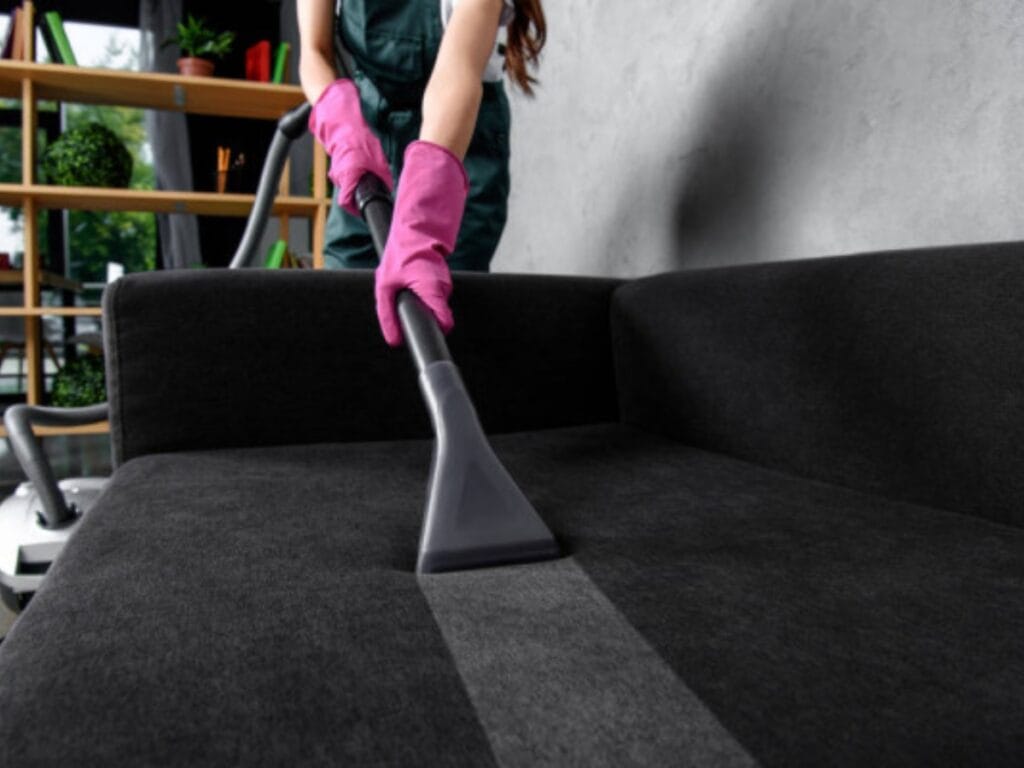
Effective stain removal starts with identifying the stain’s origin—protein-based, tannin-based, or oil-based—then choosing a cleaning approach that targets its chemistry without harming the fabric. Immediate response and the right cleaning agent can prevent permanent discoloration and maintain texture. Always test any solution on a hidden area first, and work from the stain’s edge inward to contain it.
Removing Pet Stains and Odors
Pet accidents leave both visible marks and underlying ammonia odors that can linger if not treated properly. Enzyme cleaners offer the most reliable solution: these products contain biological agents that break down urine proteins and neutralize ammonia. Apply the enzyme formula to the affected area, gently agitate with a soft brush to work it into the fibers, and then blot repeatedly with an absorbent cloth. Allow the enzymes to remain active as the fabric dries—opening a window or using a fan speeds evaporation—so that all organic residues are fully digested. Once dry, a final vacuum lifts any remaining residue and restores the fabric’s feel.
Treating Coffee and Wine Spills
Tannin-based stains like coffee or wine set quickly and can leave dark rings if handled incorrectly. Start by blotting up as much liquid as possible with a clean, white microfiber cloth. Avoid rubbing, which spreads the stain. Mix a few drops of mild dishwashing detergent with warm water, apply sparingly to the stained area, and blot again. To remove any lingering pigment, use a diluted white vinegar rinse—dabbing gently until the fabric no longer transfers color. After treatment, blot with a dry cloth and let the upholstery air-dry. This two-step approach lifts tannins without over-wetting the material or weakening fibers.
Removing Grease and Oil Marks
Oil and grease stains repel water and require absorbent and solvent-based techniques. Immediately sprinkle baking soda or cornstarch over the spill to draw oils to the surface; leave it for 15 to 20 minutes before vacuuming away the powder. Next, choose a solvent-based cleaner suited to the fabric’s cleaning code (often labeled “S”). Lightly moisten a cloth with the solvent and blot from the stain’s perimeter toward its center to prevent outlining. Continue until no more oil transfers to the cloth. Finish by brushing the nap with a soft upholstery brush to lift fibers and restore texture.
How Can You Protect Upholstery to Keep Furniture Fresh for Years?
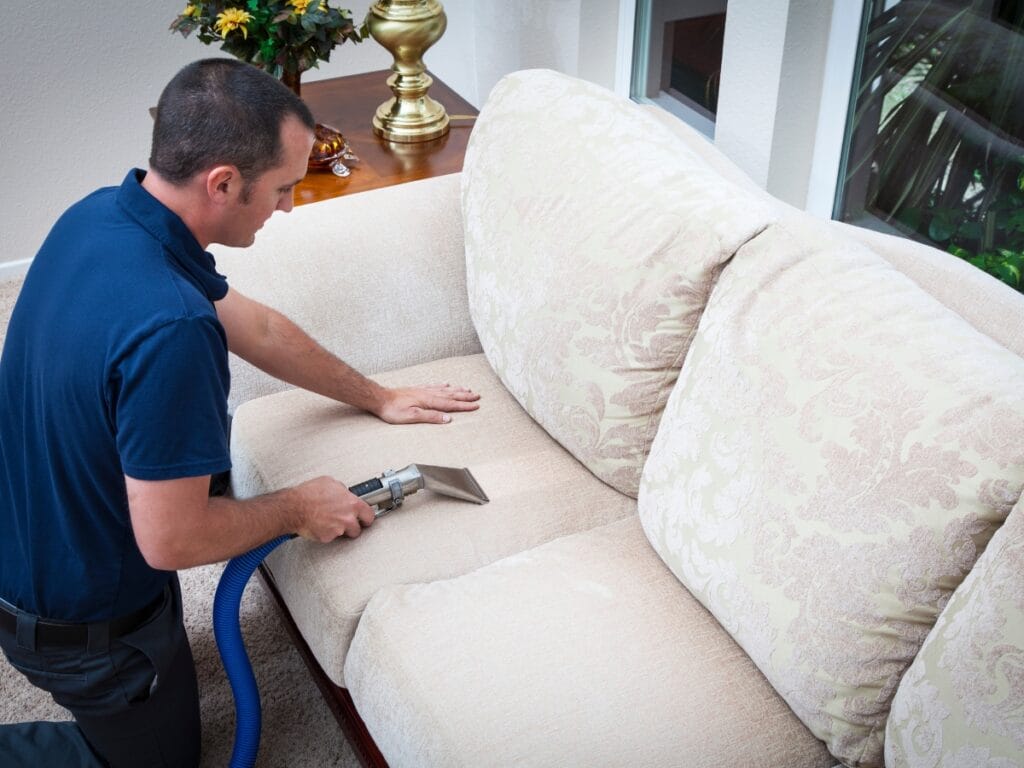
Upholstery weathers over time from sunlight, spills, abrasion, and pet wear unless you take steps to protect it. Establishing a few simple habits—blocking UV exposure, using washable covers, managing pet hair, and evening out cushion wear—creates a safeguard around your furniture. By treating these measures as part of a regular routine rather than occasional chores, you’ll preserve color, maintain fabric strength, and keep seating surfaces looking fresh long after they’ve left the showroom.
Implement UV Protection to Prevent Fading and Fiber Damage
Sunlight and heat accelerate the breakdown of upholstery fibers and fade colors unevenly, leaving fabric looking dull and brittle. Position sofas and chairs away from direct window exposure whenever possible. If the layout prohibits moving furniture, install UV-filtering window films or heavier drapes that block harmful rays while still letting in natural light. By controlling the amount of sunlight that reaches your upholstery, you preserve both its appearance and structural integrity over the long term.
Use Slipcovers and Removable Throws as Protective Barriers
Slipcovers and washable throws act as sacrificial layers that take the brunt of everyday spills, body oils, and abrasion. Choosing durable, machine-washable fabrics means you can launder covers regularly without risking damage to the underlying material. Lightweight throws can be swapped out seasonally or whenever they become soiled, while tailored slipcovers give a polished look and shield arms, seat cushions, and headrests from wear. This barrier method keeps the original upholstery cleaner and extends the interval between deep-cleaning sessions.
Maintain a Regular Pet-Hair and Odor Control Routine
Pets quickly leave behind fur, dander, and the occasional accident, all of which can embed into upholstery. Daily removal of pet hair with a rubber-bristle brush or dedicated fur-removal tool prevents buildup that abrades fibers and traps odors. For lingering smells, lightly mist the fabric with a pH-neutral enzyme spray designed for upholstery; these formulations break down odor molecules without leaving residue. After misting, allow the furniture to air-dry fully. Consistent pet care not only keeps surfaces cleaner but also reduces the frequency of professional cleaning.
What Common Upholstery Cleaning Mistakes Should You Avoid?
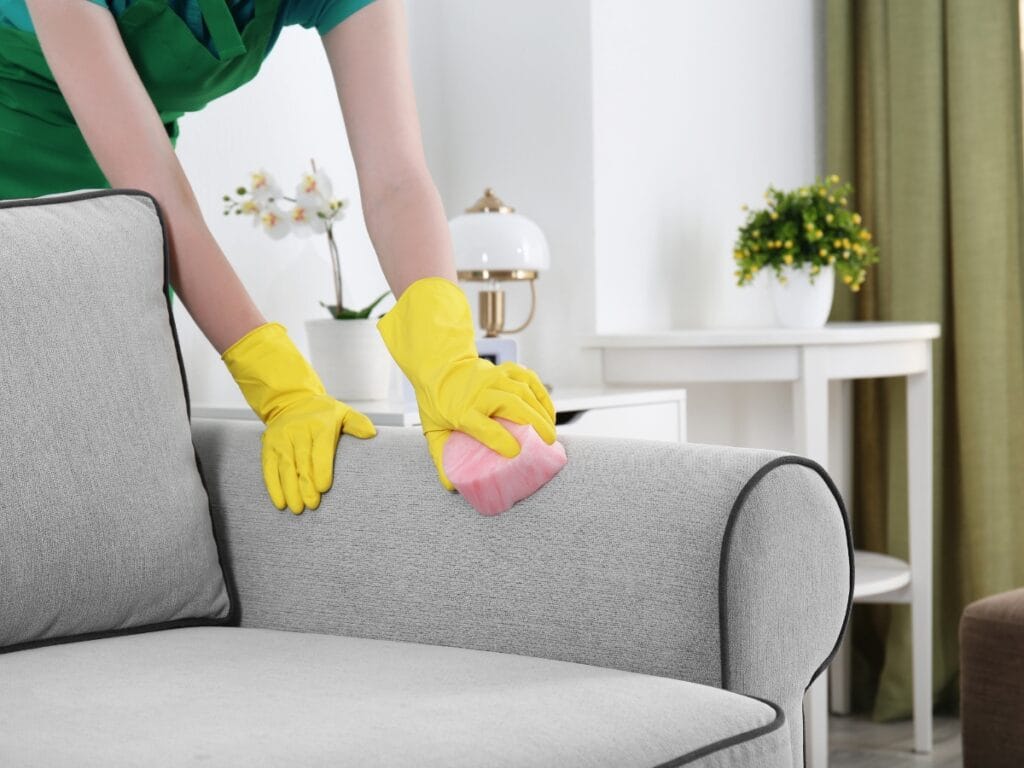
Protecting upholstery starts with using the right methods and products. Three mistakes—rubbing spills, choosing incorrect cleaners, and over-wetting—can damage fibers, fade colors, and invite mold. Recognizing these missteps helps you clean safely and keeps furniture looking its best without costly repairs.
Why Rubbing Spills Damages Fabric
When you rub a spill, you force liquids and debris deeper into the weave and wear down delicate yarns. This friction can break fibers, dull the surface, and spread the stain across a larger area. Instead, gently blot any liquid with a clean, absorbent cloth. Pressing softly lifts moisture without agitating the material, preserving both texture and color.
How the Wrong Cleaner Harms Upholstery
Not every fabric tolerates the same chemicals. Harsh detergents or strong solvents may strip dyes, weaken fiber bonds, or leave a sticky residue that attracts new dirt. Always check the manufacturer’s cleaning code—water-safe (W), solvent-safe (S), or professional dry-clean only (X)—before applying any product. Using a pH-neutral formula approved for your fabric type ensures you remove stains without compromising the upholstery’s integrity.
Dangers of Over-Wetting Cushions and Backrests
Excessive moisture seeps into padding and backing, lengthening dry times and creating an environment where mold and mildew thrive. Even water-safe fabrics suffer if the wet zone isn’t thoroughly dried. To avoid this, apply cleaning solutions sparingly with a lightly damp cloth or upholstery wand. After cleaning, accelerate drying with fans or open windows, and avoid replacing cushions until the filling is fully dry. This controlled approach prevents moisture from causing odors, structural damage, or health issues.
Conclusion
Proper upholstery cleaning not only keeps your furniture looking fresh but also extends its lifespan and maintains a healthier home environment. While regular maintenance helps, nothing beats professional deep cleaning to remove embedded dirt and allergens. At Magic Cleaning Pros, we use advanced cleaning techniques to revitalize your upholstery without compromising fabric integrity. Call us today at 678-515-5820 or visit our website to request your Free Quote – let our experts give your furniture the care it deserves. With Magic Cleaning Pros, you’re not just cleaning your upholstery, you’re protecting your investment for years to come.