
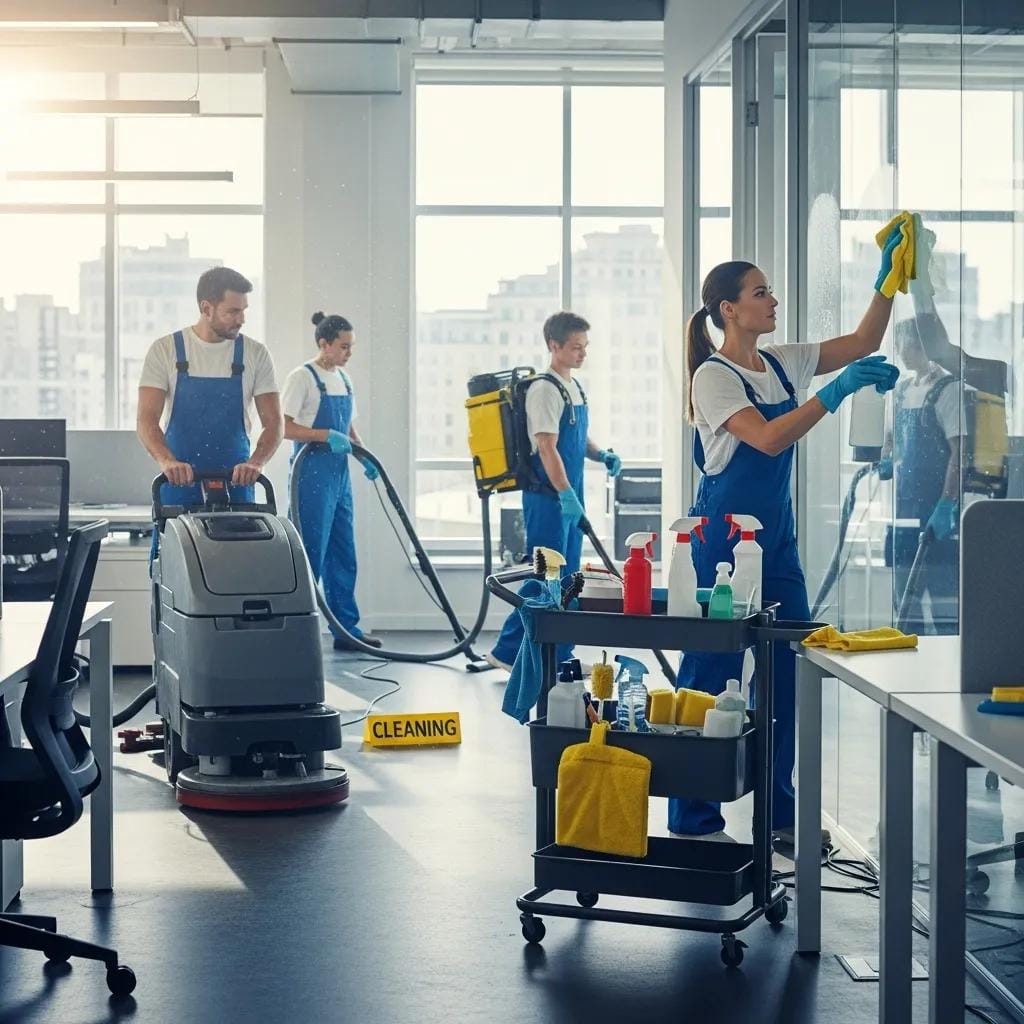
Choosing the right cleaning schedule for your commercial facility is a strategic decision that balances maintaining a pristine, professional appearance with operational efficiency and budget considerations. A well-planned schedule—whether daily, weekly, or customized to your traffic patterns and industry needs—ensures high-traffic areas remain spotless, restrooms stay sanitized, and workspaces promote health and productivity.
This guide offers commercial insights into selecting a cleaning frequency and scope that fits your specific facility, helping you optimize resources, extend the life of your finishes, and create a consistently welcoming environment for employees and clients.
Commercial Cleaning Schedules for Efficiency and Cost Savings
What Factors Influence The Optimal Commercial Cleaning Frequency?
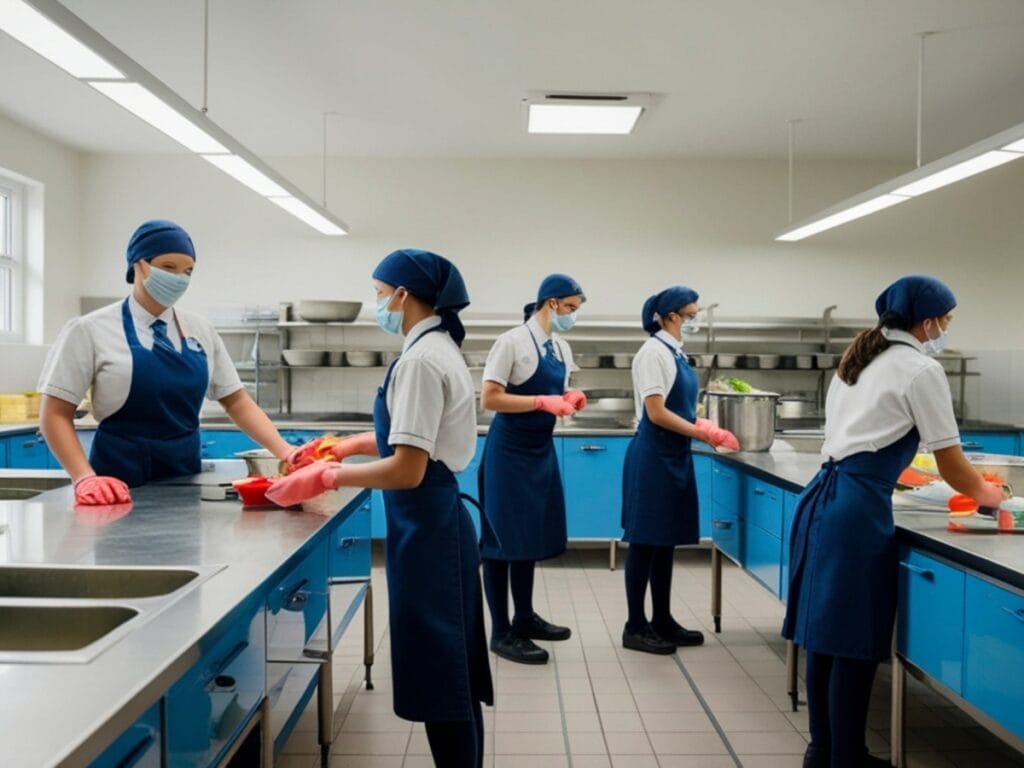
Setting the right cleaning schedule for a business is not as simple as picking a day of the week and sticking with it. The ideal frequency depends on how the space is used, who uses it, and what standards must be maintained. When reviewing commercial insights choosing schedule decisions, it helps to look beyond surface appearance and consider health, safety, and operational efficiency.
A well-planned cleaning schedule protects employees, customers, and your overall reputation. At the same time, it avoids unnecessary expenses by aligning services with actual needs. The goal is to find a balance between maintaining a consistently clean environment and avoiding over- or underservicing your facility.
How Do Business Type And Industry Affect Cleaning Needs?
The type of business you operate is one of the strongest influences on cleaning frequency. A medical clinic, for example, must follow stricter sanitation protocols than a standard office. Surfaces are disinfected more often, high-touch points are monitored closely, and restrooms require consistent attention throughout the day. These environments cannot rely on a once a week approach.
In contrast, a corporate office with limited public access may focus on workstations, breakrooms, and shared conference rooms. The priority is maintaining a healthy workspace that supports productivity without interrupting workflow. Retail stores and restaurants fall somewhere in between. Because they are customer facing, appearance plays a significant role in brand perception. Floors, windows, and entry areas must remain clean throughout business hours to reflect professionalism.
Understanding these differences is a core part of commercial insights choosing schedule planning. Cleaning requirements should reflect regulatory standards, customer expectations, and the specific risks associated with each industry.
Why Are Foot Traffic And Operational Hours Critical In Scheduling?
Foot traffic is another key factor when determining how often a commercial space should be cleaned. Areas with constant movement, such as entryways, elevators, restrooms, and waiting rooms accumulate dirt and bacteria more quickly than private offices or storage spaces. High traffic spaces often require daily service, and in some cases, multiple visits within the same day.
Operational hours also affect scheduling decisions. Businesses that operate extended hours or around the clock may not have long windows available for cleaning. In those cases, services may need to be staggered to minimize disruption. Cleaning during off peak hours can protect workflow while still maintaining hygiene standards.
For facilities with lower daily traffic, it may be possible to reduce full cleanings to a few times per week, supplemented by targeted touch-ups in high-use areas. When evaluating commercial insights and choosing schedule strategies, it is important to review both the volume of people entering the space and how long the facility remains active each day.
How Do Health Standards And Workspace Design Influence Frequency?
Health guidelines and workspace layout also shape cleaning schedules. Shared desks, collaborative spaces, and open floor plans increase contact points. The more surfaces that multiple people touch, the more frequently they need to be sanitized. Breakrooms and kitchens are another high-risk area, especially in larger offices.
Ventilation systems, flooring materials, and restroom count can also impact maintenance needs. Carpeted areas may require more regular vacuuming in busy buildings, while hard surfaces may show visible wear more quickly in retail or hospitality settings.
By combining these considerations, businesses can make informed decisions about cleaning frequency. Reviewing commercial insights choosing schedule options through the lens of industry requirements, traffic patterns, and health standards ensures that cleaning is both practical and effective. A tailored approach protects the workspace, supports daily operations, and maintains a professional environment without overspending on unnecessary services.
What Are the Common Commercial Cleaning Schedules and Their Tasks?
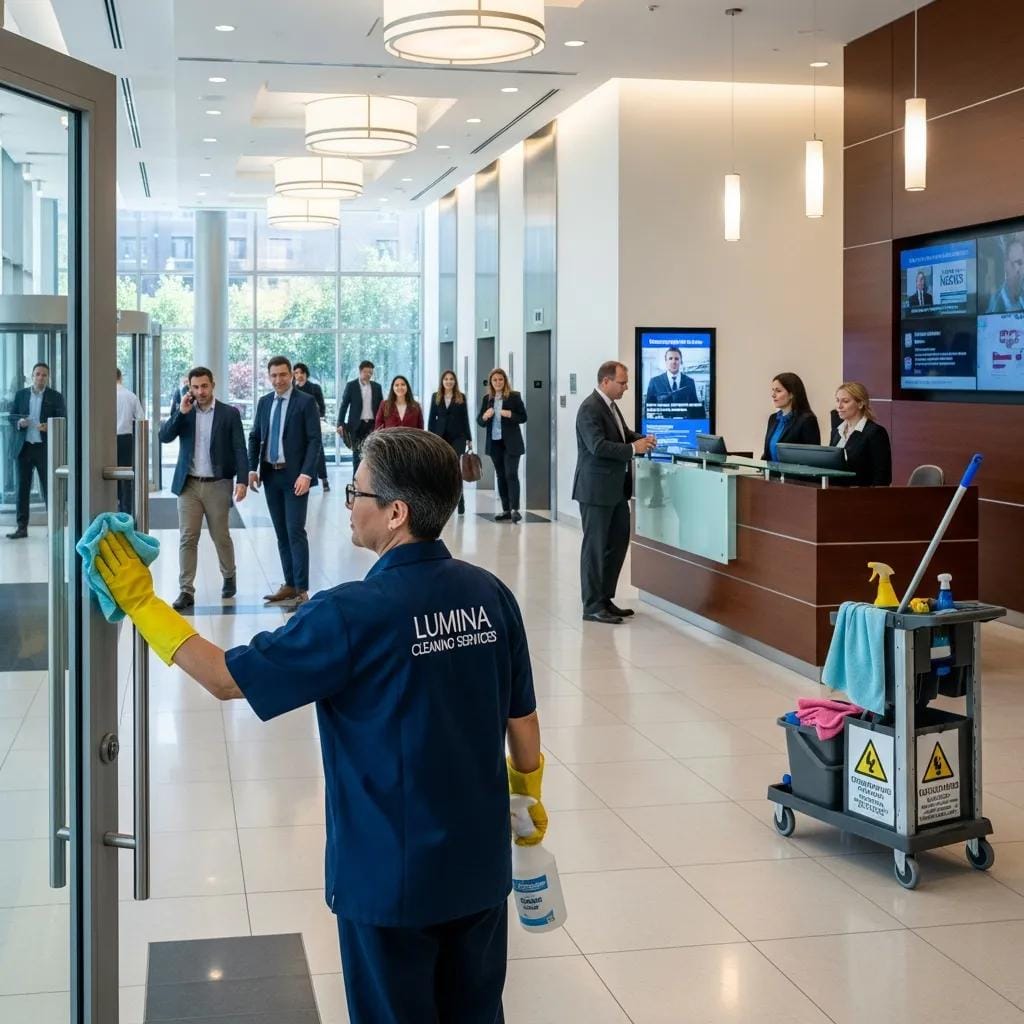
A consistent cleaning plan helps businesses stay ahead of grime, odors, and avoidable complaints. The best commercial cleaning schedules are not one size fits all, though. They should match how the building is used, how many people move through it each day, and what areas create the biggest hygiene risk. When you are applying commercial insights choosing schedule decisions to a real workplace, it helps to think in layers. Daily tasks handle the visible and high touch needs, while weekly and monthly work tackles buildup that is easy to miss until it becomes a problem.
A good schedule also keeps cleaning predictable for staff and visitors. Restrooms stay stocked and sanitary, entryways look professional, and shared spaces do not become a source of frustration. Over time, this approach protects floors, fixtures, and finishes, which can reduce wear and replacement costs.
Which Daily Cleaning Tasks Ensure High-Traffic Area Hygiene?
Daily cleaning is most important in spaces where people constantly pass through and touch shared surfaces. Entry areas, restrooms, breakrooms, and reception spaces collect dirt quickly, especially during rainy days or busy seasons. The priority is to reduce germs on common touch points while keeping the space looking and feeling cared for.
Disinfecting shared surfaces is one of the most practical daily tasks. Door handles, front desk counters, restroom fixtures, elevator buttons, and breakroom tables are touched throughout the day, so routine wipe-downs help limit how quickly germs spread. For businesses with frequent public visitors, this also supports a better first impression because surfaces look clean, not smudged or neglected.
Trash removal is another daily essential. Overflowing bins create odors and can attract pests, especially in breakrooms or near copy stations where food wrappers and paper waste pile up fast. Emptying trash daily keeps the space looking organized and prevents small messes from turning into bigger issues.
Floors also need daily attention in high-traffic areas. Sweeping, vacuuming, or mopping keeps dirt from being tracked into the rest of the building and reduces slip hazards near entrances and restrooms. If your facility uses mats, a daily shake out or vacuuming helps them keep doing their job. These basics are at the core of commercial insights choosing schedule planning because they focus on what affects hygiene and appearance the fastest.
What Weekly And Monthly Cleaning Activities Maintain Office Cleanliness?
Weekly cleaning is where businesses start to protect the “overall feel” of the workplace, not just the obvious surfaces. Dusting is a good example. It is easy to overlook until it builds up on shelves, baseboards, blinds, and furniture. A weekly dusting routine helps prevent that dull, stale look that can creep into offices over time.
Vacuuming and more detailed floor care also typically fits a weekly rhythm, especially in carpeted areas that do not see heavy spills but do collect dirt and allergens. In office settings, this includes corners, edges, and areas under desks or seating where debris settles. For hard surface floors, weekly attention may include a more thorough mop or spot treatment to keep high-use paths from looking worn.
Breakrooms and kitchenettes usually need more than a quick wipe down. Weekly cleaning should include a deeper reset of sinks, microwaves, refrigerator handles, and cabinet fronts. These spaces are shared, and a little buildup can quickly become an odor or hygiene issue.
Monthly tasks focus on deeper maintenance. Carpet and upholstery cleaning, for example, helps remove embedded dirt and extends the life of soft surfaces. Window cleaning is another monthly or seasonal task that can make a space feel brighter and more professional, especially in customer-facing areas. Air vents and returns also collect dust over time, so periodic cleaning supports better air flow and helps the building feel fresher.
When businesses use commercial insights choosing schedule logic to plan weekly and monthly work, they create a system that stays clean without relying on constant deep cleaning. Daily routines cover the immediate needs, while weekly and monthly tasks handle buildup and long-term upkeep. That combination is what keeps a workplace consistently presentable, comfortable, and easier to maintain year-round.
How Can You Develop a Tailored Commercial Cleaning Plan for Your Business?

A tailored commercial cleaning plan is less about picking a standard package and more about matching real needs to a realistic schedule. The goal is to keep your space consistently clean without wasting time or budget on tasks that do not move the needle. When you apply commercial insights choosing schedule planning to your business, you start by looking at how the building is used day to day, where mess and germs build up fastest, and what “clean” needs to look like for your customers and staff.
The most effective plans usually have a simple structure. Daily work targets high-touch surfaces and visible areas that shape first impressions, like entrances, restrooms, and shared break spaces. Weekly and monthly tasks handle buildup that is easy to miss until it becomes a problem, such as dust accumulation, stained carpet traffic lanes, and grime around fixtures. This layered approach keeps the environment comfortable and professional while preventing cleaning from becoming reactive.
A good plan also respects how your business operates. Cleaning should support your workflow, not interrupt it. Offices often benefit from after-hours cleaning so staff can focus during the day. Retail spaces might need touch-ups before opening and attention to entrances throughout the week. Medical and wellness settings may require more frequent disinfection in treatment rooms and waiting areas. The point is to build a schedule around the way people move through the space, not around a generic checklist.
What Steps Are Involved In Assessing Your Business’s Unique Cleaning Requirements?
Start by identifying what type of space you are maintaining and what expectations come with it. A small professional office has different priorities than a gym, childcare center, or restaurant-adjacent facility. Industry standards matter, but so does your layout. Consider how many restrooms you have, whether you have shared kitchens, how much glass and flooring is exposed, and where people naturally gather. These factors shape what needs attention most often.
Next, take a hard look at traffic patterns. Pay attention to where dirt enters the building, usually at main entrances and high-use hallways. If you have a lobby that stays busy all day, that area will need more frequent floor and surface care than a back office that only a few employees use. This is one of the most practical commercial insights choosing schedule habits because it prevents under-cleaning the areas that actually affect cleanliness and over-cleaning low-impact spaces.
Employee input is also useful, especially for offices and multi-tenant environments. Staff usually know where the pain points are, whether that is a restroom that runs out of supplies, a breakroom sink that smells, or a conference room that never feels fresh. A short internal check-in can reveal problems you might miss during a walkthrough.
Finally, document the non-negotiables. These are the tasks that must happen on a fixed rhythm for the space to function well, such as restroom sanitizing, trash removal, and floor care in public areas. Once those are set, you can build the rest of the plan around them, adjusting weekly and monthly tasks based on seasonality, staffing, and peak business cycles.
How Does Magic Cleaning Pros Customize Cleaning Solutions For Metro Atlanta Businesses?
A customized plan works best when it is built around your hours, your traffic, and your priorities, not a one-size template. Magic Cleaning Pros approaches scheduling with flexibility in mind, which matters for businesses that need cleaning done early, late, or between shifts. The point is to keep the space clean without creating downtime or disrupting customers and employees.
Customization also means dialing in what gets focused attention. Some businesses need frequent disinfection of touch points and restrooms, while others need consistent floor care to keep entrances and hallways from looking worn. A practical cleaning plan accounts for both hygiene and appearance, since both influence how people feel in the space. Over time, this kind of planning helps you maintain consistency instead of bouncing between “good enough” weeks and scramble mode after a busy stretch.
Local knowledge can also be helpful in Metro Atlanta, where weather swings and pollen season can change what a building needs. Extra attention to entryways during rainy periods, or more frequent dusting and filter-related upkeep when pollen is heavy, can make the environment feel noticeably cleaner. That is another reason commercial insights choosing schedule planning works best when it is grounded in how your location and building actually behave throughout the year.
When the schedule is built around real use, the results are easier to maintain, easier to budget for, and easier to stick with long-term.
What Are The Benefits And Cost Considerations Of An Optimized Cleaning Schedule?
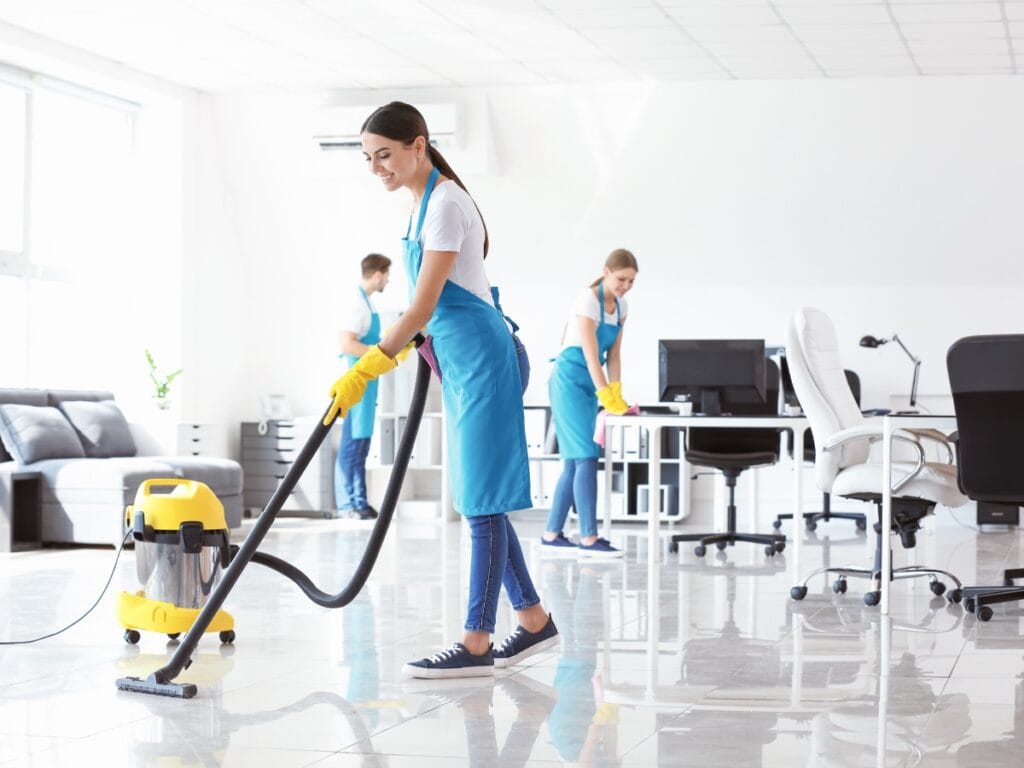
An optimized cleaning schedule is not just about making a space look presentable. It is a practical way to keep day-to-day operations running smoothly while protecting the people who work in the building and the customers who visit it. When businesses apply commercial insights choosing schedule planning, they usually find that consistency matters more than intensity. A steady routine prevents small issues from turning into bigger problems, like stained flooring that is difficult to restore, odors that become noticeable to clients, or breakrooms that feel unpleasant by midweek.
Another benefit is predictability. With the right schedule, you know what is being cleaned, how often it is handled, and what to expect in terms of results. This makes it easier to manage expectations across teams, especially in shared spaces like multi-tenant buildings, medical offices, or retail environments with high customer traffic. It also reduces last-minute “catch-up” cleanings that cost more and still do not solve the underlying problem.
Optimizing does not automatically mean cleaning more often. It means cleaning smarter. For many businesses, that looks like focusing more attention on high-touch and high-traffic areas while reducing frequency in low-use spaces. This approach keeps standards high without paying for unnecessary labor. Over time, the right plan can also extend the life of finishes and surfaces by preventing buildup that leads to wear.
How Does Regular Cleaning Impact Employee Health And Productivity?
Regular cleaning supports a healthier workspace in a very direct way. Shared surfaces, restrooms, break areas, and entry points collect germs quickly, especially when multiple shifts use the same space. When those areas are cleaned consistently, it reduces the chance of illness spreading through the office. That can mean fewer sick days, fewer disruptions, and less stress for managers trying to keep schedules covered.
Cleanliness also affects how people feel at work. A workplace that looks and smells clean tends to feel more organized, and that can improve morale. Employees are more likely to take care of a space that feels maintained, which creates a better cycle overall. Even simple issues like overflowing trash, sticky floors, or dirty restrooms can distract people and make the day feel harder than it needs to be.
There is also a productivity angle that gets overlooked. When a work environment is consistently clean, employees spend less time working around clutter, wiping down shared areas themselves, or avoiding certain spaces. That is why commercial insights choosing schedule decisions are often tied to performance, not just appearance. The schedule sets the baseline for how usable and comfortable the workplace stays week after week.
What Should Businesses Know About Cost And ROI In Commercial Cleaning?
Cost and return on investment are easier to evaluate when you stop thinking of cleaning as a single line item and start treating it like upkeep. A business pays for maintenance on HVAC systems, equipment, and safety inspections because those costs prevent larger problems later. Cleaning works the same way. A consistent schedule helps reduce avoidable wear, protects flooring and upholstery, and lowers the odds of needing major corrective work.
The right schedule also reduces “surprise” expenses. When the plan is built around real usage, you are less likely to run into emergency deep cleans before an inspection, an important client visit, or a special event. Those last-minute cleanings often cost more and are harder to schedule. A balanced routine can prevent that cycle.
ROI shows up in a few places. Health and attendance are one piece, but customer perception is another. In client-facing environments, restrooms, entrances, and floors shape first impressions. If those areas consistently look neglected, it can impact trust, reviews, and repeat business. Even in office settings, cleanliness reflects on company culture and professionalism, especially when teams or partners visit.
If you are trying to keep costs reasonable, the best approach is usually to match frequency to traffic and function. Daily attention might be reserved for high-traffic zones, while weekly and monthly tasks focus on deeper maintenance. That is the core of commercial insights choosing schedule thinking: put effort where it matters most, and avoid paying for a blanket approach that misses the real problem areas.
How Often Should Key Cleaning Tasks Be Scheduled?
Most businesses benefit from a layered schedule that covers daily basics, weekly upkeep, and monthly detail work. Daily tasks typically focus on high-touch surfaces, trash removal, and floors in busy areas to keep the building safe and presentable. Weekly tasks often address dust buildup, more thorough restroom detailing, and breakroom cleaning that goes beyond quick wipe-downs. Monthly tasks usually include deeper work like carpet care, interior glass cleaning, and attention to vents or hard-to-reach spots where dust collects.
An optimized plan keeps the space consistently clean without overdoing it. The schedule can be adjusted during peak seasons, heavy traffic weeks, or times when illness is spreading. That flexibility is part of what makes a schedule effective long term.
A well-built cleaning schedule supports more than appearance. It protects health, reduces operational headaches, and helps your space reflect the standards you want customers and employees to associate with your business. When you use commercial insights choosing schedule planning to match cleaning frequency to real needs, you get better results and a cleaner budget at the same time.d hygiene.
Conclusion
Choosing the right cleaning schedule for your commercial facility is a strategic decision that impacts everything from employee productivity to professional image and operational efficiency. Whether you need nightly janitorial services, weekly deep cleans, or specialized maintenance between shifts, a tailored approach ensures your facility always presents its best face. For expert guidance in developing a customized cleaning schedule that fits your facility’s unique needs, trust Magic Cleaning Pros. Ready to optimize your facility’s cleanliness and efficiency? Call 678-515-5820 or visit our website for a free quote today. Let us design a cleaning plan that works as hard as you do.