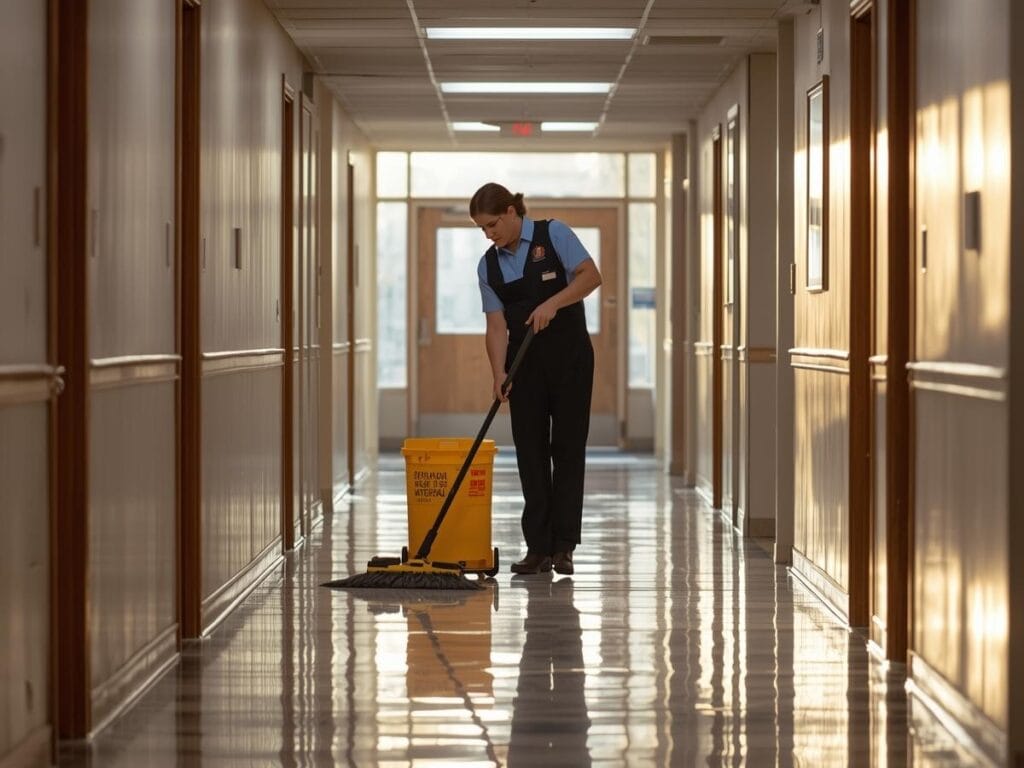
Clean learning environments play a critical role in supporting student health, focus, and overall well-being. In schools and universities where hundreds or even thousands of people share classrooms, libraries, cafeterias, and common areas each day, effective sanitation practices are essential.
Implementing strong school and university cleaning protocols helps reduce the spread of germs while creating a space where students and staff can learn and work with greater confidence.
High-touch surfaces, shared equipment, and busy hallways require consistent attention and structured cleaning routines. From classroom desks and restrooms to athletic facilities and study spaces, a well-planned approach ensures that every area is maintained to a high standard.
With the right protocols in place, educational institutions can better support safer, healthier spaces that promote learning without unnecessary disruptions.
Maintaining clean learning environments is an important part of supporting health, safety, and productivity in schools and universities.
Facilities that serve students, teachers, and staff throughout the day experience constant activity, which means cleaning routines must be consistent and thorough. Essential cleaning services help ensure that spaces used for education remain sanitary and comfortable for everyone who spends time there.
One of the most important tasks is disinfecting high-touch surfaces. Items such as desks, door handles, railings, and shared equipment are handled frequently during the school day.
Regular disinfection helps reduce the spread of germs and supports a healthier learning environment. Classrooms also benefit from routine cleaning that removes dust, debris, and other particles that accumulate through daily use.
Restrooms and cafeterias require special attention because they are areas where hygiene concerns can quickly develop. Deep cleaning these spaces helps control odors, bacteria, and surface buildup. Floor care is another important part of maintaining facilities used for education.
Floors in hallways, classrooms, and common areas experience constant foot traffic, so regular sweeping, mopping, and polishing help keep them safe and presentable.
Commercial cleaning practices in schools and universities often involve a combination of routine tasks and periodic deep cleaning. Routine cleaning supports daily operations by keeping classrooms, offices, and shared areas tidy and sanitary.
Activities such as dusting surfaces, vacuuming carpets, and sanitizing desks help maintain a comfortable environment for learning and teaching.
Deep cleaning focuses on areas that require more detailed attention. Over time, certain spaces collect buildup that regular cleaning may not fully address.
Restrooms, locker rooms, cafeterias, and science labs often benefit from deeper cleaning to remove stains, disinfect surfaces, and restore cleanliness. These areas are used by large groups of people, so maintaining them properly helps support a safe environment for education.
Another important aspect of facility cleaning is adapting the approach to the layout and function of the building. Universities often include lecture halls, laboratories, libraries, and residential spaces, while schools may include classrooms, gyms, and activity areas.
Each of these spaces has different cleaning requirements. A structured cleaning approach ensures that each part of the facility receives the level of care needed to support daily education activities.
A well-planned cleaning schedule helps schools and universities maintain consistent standards of hygiene. Every facility has different patterns of use, so schedules often need to reflect the specific layout and activity level of the building.
High traffic areas such as hallways and entrances may require more frequent attention, while offices or storage areas may need less frequent cleaning.
Creating an effective schedule often begins with evaluating how the space is used throughout the day. Understanding when classrooms are occupied, when common areas experience peak activity, and when buildings are less crowded allows cleaning tasks to be completed efficiently.
Coordinating cleaning times with school operations helps ensure that the work supports the daily rhythm of education rather than interrupting it.
In many cases, cooperation from staff and students also contributes to maintaining clean environments. Simple habits such as keeping desks organized, disposing of trash properly, and reporting spills can help support overall cleanliness.
When cleaning routines and community participation work together, schools and universities can maintain facilities that support a safe and productive environment for education.
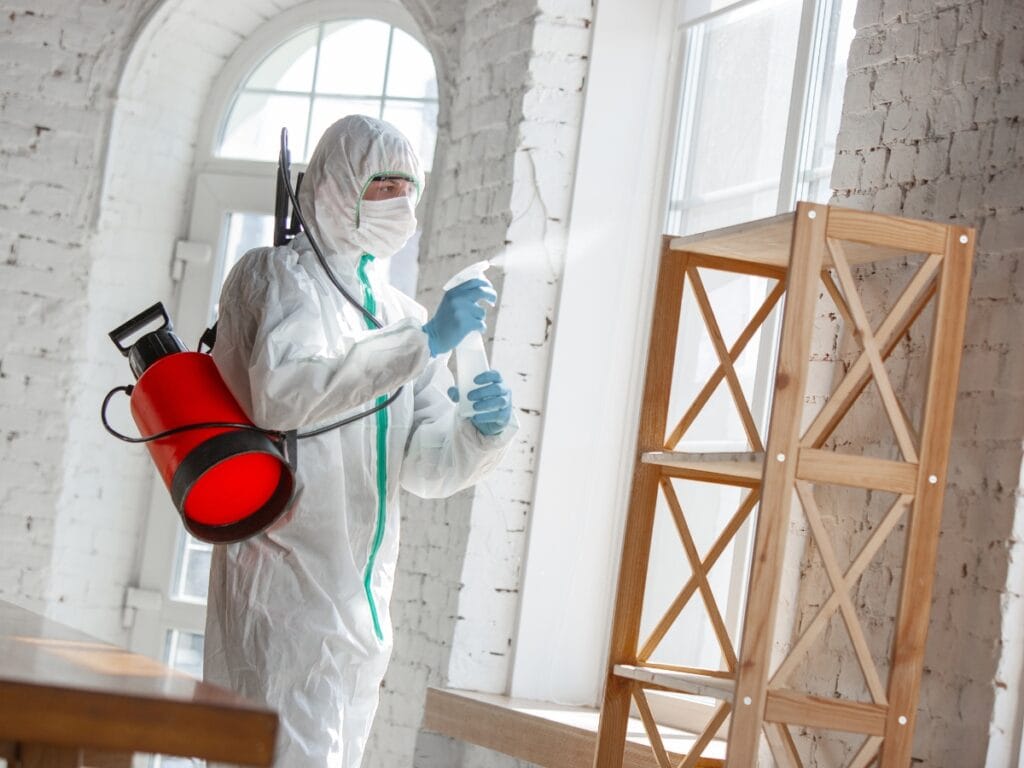
Clean and well-maintained facilities play a critical role in supporting healthy learning environments. In schools and universities, thousands of students, teachers, and staff share classrooms, hallways, and common spaces every day.
Because of this constant activity, strong hygiene and disinfection practices are essential. These standards help reduce the spread of illness, maintain a comfortable environment, and reinforce the importance of safety within spaces dedicated to education.
Regular disinfection helps control the buildup of bacteria and viruses on surfaces that are touched frequently throughout the day. When these areas are cleaned consistently, the likelihood of germs spreading between individuals decreases. Maintaining high hygiene standards also supports attendance and productivity by helping students and staff remain healthy.
In addition to health benefits, cleanliness affects how educational institutions are perceived. A well-maintained campus communicates that the institution values the well-being of its community.
Parents, students, and visitors often notice the condition of classrooms, hallways, and restrooms when evaluating a school environment. Clean spaces contribute to a positive atmosphere that supports learning and reinforces trust in the institution’s commitment to education.
Many cleaning programs in schools follow guidance developed by public health organizations such as the Centers for Disease Control and Prevention.
These recommendations emphasize regular cleaning of high-touch surfaces that are used repeatedly during the school day. Areas such as door handles, light switches, desks, shared equipment, and railings often receive the most attention because they are handled frequently by many individuals.
Using products that are approved for disinfection is another important part of these protocols. Cleaning agents designed to eliminate harmful microorganisms help ensure that surfaces are properly sanitized. When these products are used according to recommended instructions, they can significantly reduce the presence of germs in shared spaces.
Consistency is also essential for effective cleaning programs. Disinfection routines often follow a schedule that reflects how frequently different areas are used.
Classrooms, restrooms, cafeterias, and common areas may require more frequent attention because of higher levels of activity. Maintaining these schedules helps ensure that environments used for education remain sanitary throughout the day.
Research examining environmental cleaning practices in school settings also highlights the importance of structured protocols.
Studies exploring cleaning methods during periods of increased public health concern have found that well-planned disinfection programs can reduce contamination on surfaces in classrooms and other educational spaces. These findings reinforce the value of consistent hygiene practices in facilities dedicated to education.
Maintaining hygiene standards also involves following established health and safety practices. Cleaning staff must be trained in the correct use of disinfectants, equipment, and protective measures to ensure that cleaning procedures remain effective and safe.
Proper training helps workers understand how to apply cleaning products correctly and how to manage different surfaces found in educational buildings.
Ventilation is another factor that contributes to a safe cleaning process. When buildings are well ventilated during cleaning, it helps reduce exposure to strong chemical odors and supports healthier indoor air quality. This is especially important in spaces where students and teachers spend long periods during the day.
Eco-conscious cleaning methods are also becoming more common in environments focused on education. Many institutions seek to balance effective disinfection with environmentally responsible practices. Using cleaning products that reduce harmful residues and implementing efficient cleaning routines can support both hygiene and sustainability goals.
Ultimately, strong disinfection and hygiene standards support the broader mission of educational institutions. Clean facilities protect the health of the campus community while creating an environment that encourages focus, participation, and growth.
By maintaining consistent cleaning practices and following established health guidelines, schools and universities can provide spaces that support both safety and the continued pursuit of education.
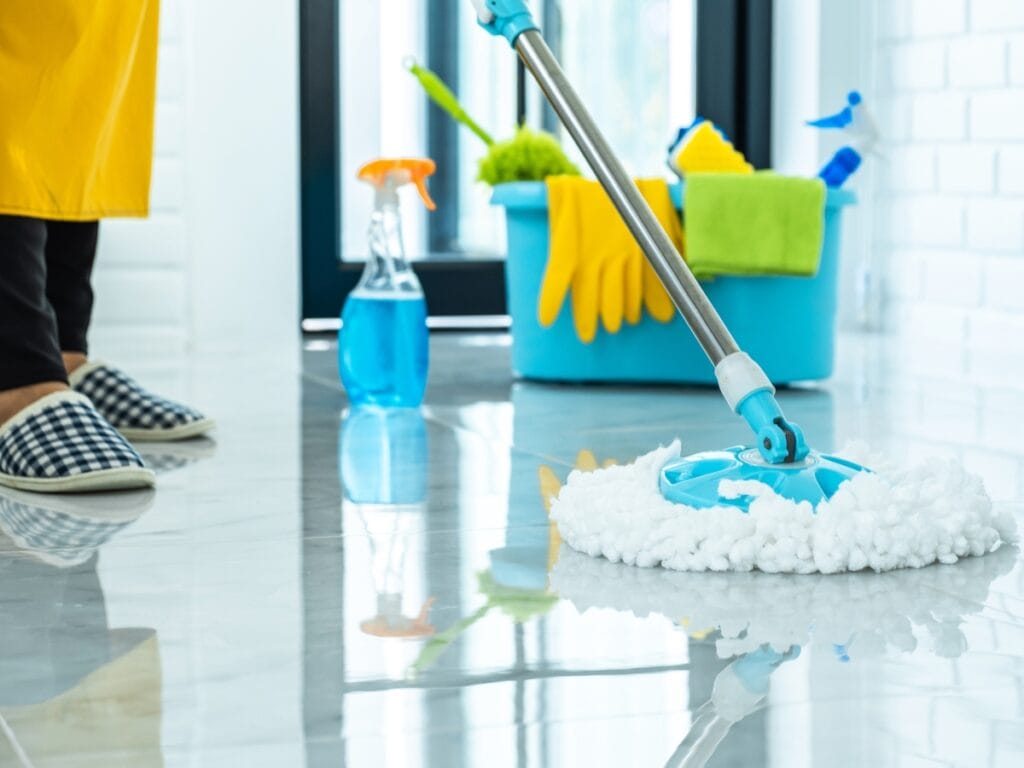
Maintaining a clean environment is essential for schools and universities that support large groups of students, faculty, and staff each day.
Because educational facilities experience constant use, cleaning routines must follow a clear schedule to ensure that every area receives consistent attention. When cleaning frequencies are well organized, institutions can maintain safe, hygienic spaces that support learning and daily campus activity.
Establishing clear schedules also helps staff manage large facilities more effectively. Educational buildings often include classrooms, libraries, laboratories, cafeterias, offices, and common areas, each with different cleaning needs.
By defining daily, weekly, and periodic tasks, institutions can ensure that these spaces remain suitable for education without allowing maintenance to fall behind.
Another benefit of structured cleaning schedules is consistency. When cleaning routines are predictable, it becomes easier for staff to maintain hygiene standards across the entire campus.
This consistency contributes to a healthier environment and supports the overall mission of education by creating spaces where students and educators can focus on learning rather than facility concerns.
Daily cleaning tasks form the foundation of any maintenance program in schools. Because classrooms, hallways, and restrooms are used continuously throughout the day, they require frequent attention.
Routine activities often include sweeping floors, mopping high-traffic areas, emptying trash containers, and wiping down desks and shared surfaces. These steps help reduce the accumulation of dust, dirt, and germs that naturally build up in busy learning environments.
High-touch surfaces receive particular attention during daily cleaning routines. Door handles, railings, desks, and shared equipment are touched by many individuals throughout the school day. Regular sanitizing of these areas helps limit the spread of germs and supports a healthier setting for education.
Weekly cleaning tasks allow staff to address areas that may not require attention every day but still need regular care. Carpets may be vacuumed more thoroughly, windows can be cleaned to maintain visibility and natural light, and classroom furniture can be wiped down in greater detail.
These tasks help maintain the overall appearance of the facility and prevent buildup that might otherwise develop over time.
Periodic maintenance also plays an important role in preserving the condition of school facilities. Floors may require stripping and waxing to maintain their durability and appearance.
Larger cleaning projects, such as deep restroom sanitation or detailed cleaning of cafeterias, may be scheduled at intervals throughout the year. These efforts ensure that spaces used for education remain well-maintained even as daily activity continues.
Universities often require more complex cleaning schedules because their facilities tend to be larger and include a wider range of specialized spaces.
In addition to classrooms and lecture halls, university campuses may include laboratories, libraries, athletic facilities, and residential buildings. Each of these areas has unique cleaning requirements that must be addressed in a structured plan.
Routine maintenance cleaning typically occurs daily in areas that receive heavy traffic. Lecture halls, hallways, study spaces, and common areas benefit from regular sweeping, mopping, and surface cleaning.
These daily tasks help maintain a professional and welcoming environment that supports the goals of higher education.
Deep cleaning tasks are usually scheduled periodically to address areas that require more intensive care. Laboratories, for example, may require specialized cleaning procedures because of the equipment and materials used within them. Auditoriums and large gathering spaces may also require detailed cleaning after major events or periods of heavy use.
By combining routine maintenance with periodic deep cleaning, universities can maintain facilities that remain functional and presentable throughout the academic year. A clear cleaning schedule helps ensure that the diverse environments used for education receive the attention they need while supporting the health and comfort of everyone on campus.

Educational facilities are increasingly adopting environmentally responsible cleaning methods as part of their overall maintenance strategies.
Schools and universities serve large populations every day, which means that the cleaning products and processes used within these spaces can affect both environmental sustainability and the health of the people who learn and work there.
Integrating green cleaning practices allows institutions to maintain hygiene standards while also supporting long term environmental goals. Green cleaning focuses on reducing harmful chemicals, limiting waste, and choosing products that are safer for indoor environments.
When these practices are incorporated into facility maintenance plans, they help create healthier classrooms, offices, and common areas. These improvements support the broader mission of education by ensuring that learning environments remain safe, comfortable, and sustainable for students and staff.
The shift toward environmentally responsible cleaning also reflects a growing awareness of how building management affects the quality of educational spaces.
Schools and universities are not only places for academic development but also environments where health and safety must be carefully maintained. By incorporating sustainable cleaning methods, institutions can balance hygiene requirements with environmental responsibility.
Eco friendly cleaning products play a major role in sustainable facility maintenance. These solutions are designed to clean surfaces effectively while limiting the release of harsh chemicals into indoor environments.
Many of these products rely on ingredients that are less toxic than traditional cleaning agents, which helps reduce the risk of irritation or respiratory discomfort for those who spend long hours in classrooms and offices.
Certifications from recognized organizations often help institutions identify safer cleaning products. Labels from programs such as Green Seal or the EPA Safer Choice program indicate that a product has been evaluated for environmental impact and safety.
These certifications make it easier for facility managers to choose products that meet both hygiene and sustainability goals.
Using environmentally responsible cleaning solutions also contributes to better indoor air quality. When cleaning products contain fewer volatile compounds, they release fewer airborne pollutants during use.
This can make classrooms, libraries, and lecture halls more comfortable for students and educators who spend extended periods inside these buildings.
Research examining the relationship between physical environments and learning spaces supports this approach. Studies exploring environmentally friendly educational environments suggest that the design and maintenance of facilities can influence both safety and overall learning conditions.
When cleaning practices are aligned with sustainable building management, institutions help create environments that support both health and education.
Sustainable cleaning practices provide several long-term benefits for schools and universities. One of the most significant advantages is the improvement of overall environmental health within buildings.
By using safer cleaning products and responsible maintenance practices, institutions can reduce chemical exposure for students, faculty, and maintenance staff.
These practices also align with broader sustainability goals that many educational institutions have adopted. Schools and universities often promote environmental awareness as part of their mission, and responsible facility management reflects those values in daily operations.
Incorporating sustainable maintenance practices demonstrates that environmental responsibility can be integrated into many aspects of campus life. Another benefit involves resource management. Green cleaning practices often focus on reducing waste and conserving materials.
Reusable cleaning tools, efficient product use, and thoughtful purchasing decisions help minimize unnecessary consumption. Over time, these practices can support more efficient facility operations while still maintaining high hygiene standards.
Ultimately, sustainable cleaning methods help educational institutions maintain environments that support learning while respecting environmental responsibilities.
Clean, well-maintained buildings contribute to a positive atmosphere for education, and environmentally conscious maintenance practices ensure that these spaces remain safe and functional for the people who rely on them every day.

Educational facilities require consistent and well-planned maintenance to support healthy learning environments. Schools, colleges, and universities often manage large buildings with classrooms, offices, laboratories, and shared spaces that see heavy use throughout the day.
Because of this, many institutions rely on organized cleaning programs that can be adjusted to match the specific needs of each campus. Understanding how to arrange and customize facility cleaning can help administrators maintain spaces that support both safety and the daily operations of education.
The process typically begins with evaluating the needs of the institution. Each campus has unique characteristics that influence how cleaning routines should be structured.
Factors such as building size, number of students, frequency of use, and the types of rooms present all affect the scope of maintenance required.
A campus that includes laboratories, dining areas, and athletic facilities will require a different maintenance plan than a smaller school building that focuses primarily on classroom instruction.
Once these needs are identified, administrators can develop a cleaning plan that outlines which areas require daily attention and which can be addressed less frequently.
A structured approach helps ensure that classrooms, hallways, restrooms, and common areas remain clean while also supporting the overall mission of education. Organized maintenance schedules also make it easier for facility managers to track tasks and maintain consistent hygiene standards across the campus.
After determining the general cleaning requirements for an educational facility, the next step often involves gathering information about available maintenance programs. Institutions usually review service options and request estimates that reflect their specific needs.
This stage allows administrators to outline the size of the facility, the number of buildings involved, and the frequency of cleaning that would best support the campus environment.
Customization is an important part of this process. Educational buildings are used in different ways throughout the day, and cleaning schedules must accommodate those patterns.
For example, classrooms and hallways may require frequent attention because they experience steady foot traffic, while areas such as auditoriums or conference rooms may only need cleaning after scheduled events. Tailoring the maintenance plan to these usage patterns ensures that resources are used effectively.
In addition to routine cleaning tasks, institutions often include periodic maintenance in their plans. Floor care, window cleaning, and deeper sanitation efforts may be scheduled at intervals during the year to preserve the condition of facilities.
When maintenance plans account for both daily upkeep and occasional deep cleaning, buildings used for education remain comfortable and well-maintained throughout the academic calendar.
The quality of a professional cleaning program also depends on the training and reliability of the staff responsible for maintaining the campus. Educational environments require careful attention to detail because they serve large communities of students and educators.
Reliable staff members who understand proper sanitation procedures help ensure that cleaning routines are carried out consistently and safely. Facility managers often look for programs that include trained personnel who follow clear inspection and quality control processes.
Regular evaluations of cleaning standards help maintain consistency across different buildings and classrooms. When staff members understand how to properly clean high-traffic areas and shared surfaces, they help support a healthier environment for everyone on campus.
Feedback from administrators and building supervisors can also play an important role in maintaining quality. When institutions review cleaning results and address concerns quickly, they can ensure that maintenance programs continue to meet the needs of the campus.
This ongoing evaluation helps reinforce hygiene standards while supporting the broader goals of education.
Effective maintenance programs rely on clearly defined schedules that outline how often different areas should be cleaned.
Daily cleaning tasks generally focus on routine upkeep such as dusting surfaces, sweeping floors, mopping high-traffic areas, and sanitizing shared spaces. These activities help maintain basic cleanliness and reduce the spread of germs throughout buildings used for education.
Weekly cleaning routines often involve more detailed tasks that require additional time. Restrooms, cafeterias, and common areas may receive deeper cleaning to remove buildup and maintain sanitary conditions. Floors and carpets may also be cleaned more thoroughly during these scheduled maintenance periods.
Periodic maintenance helps preserve the long-term condition of facilities. Activities such as floor refinishing, detailed window cleaning, and other larger maintenance tasks are typically scheduled throughout the year.
By combining daily, weekly, and periodic cleaning routines, educational institutions can maintain environments that support health, safety, and the overall experience of education.
Implementing rigorous cleaning protocols in educational settings is essential for protecting students, faculty, and staff while creating an environment where learning can flourish.
From high-touch surface disinfection to specialized floor care and air quality considerations, professional cleaning services provide the foundation for safer, healthier schools.
For comprehensive cleaning solutions tailored to educational facilities, trust Magic Cleaning Pros. Ready to create a cleaner, safer learning environment? Call 678-515-5820 or visit our website for a free quote today. Let us support your commitment to education with exceptional cleanliness.