
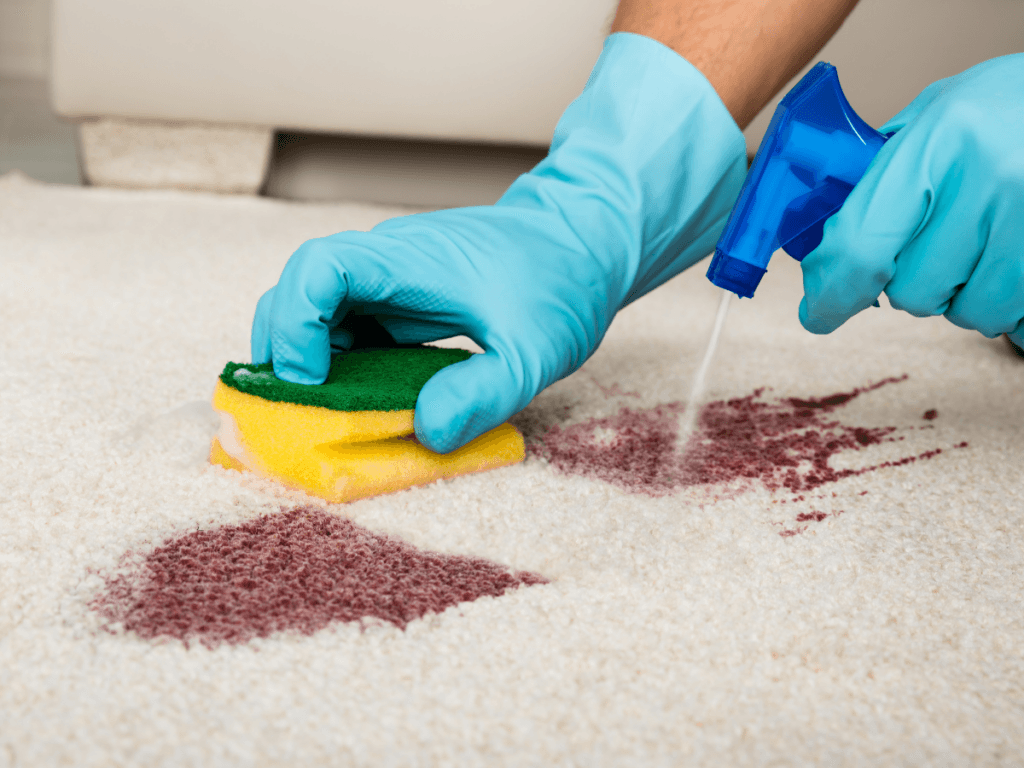
Coffee on carpet, grease on upholstery, hard water marks on tile, and mystery spots on countertops all have one thing in common: reaching for the nearest cleaner isn’t always the safest solution. A product or technique that removes one stain can discolor, scratch, or permanently damage another surface.
That’s why an effective stain removal guide starts with two questions: what caused the stain, and what material are you cleaning? The answers determine whether you should blot, rinse, lift, dissolve, or leave stronger treatment to a professional.
From everyday spills to stubborn buildup, using the right method can improve your chances of removing the mark without creating a bigger problem. With a surface-specific approach, you can tackle common household stains more confidently while protecting the materials and finishes throughout your home.
A Practical Stain Removal Guide for Every Room in Your Home
What Should You Do Before Trying to Remove a Stain?
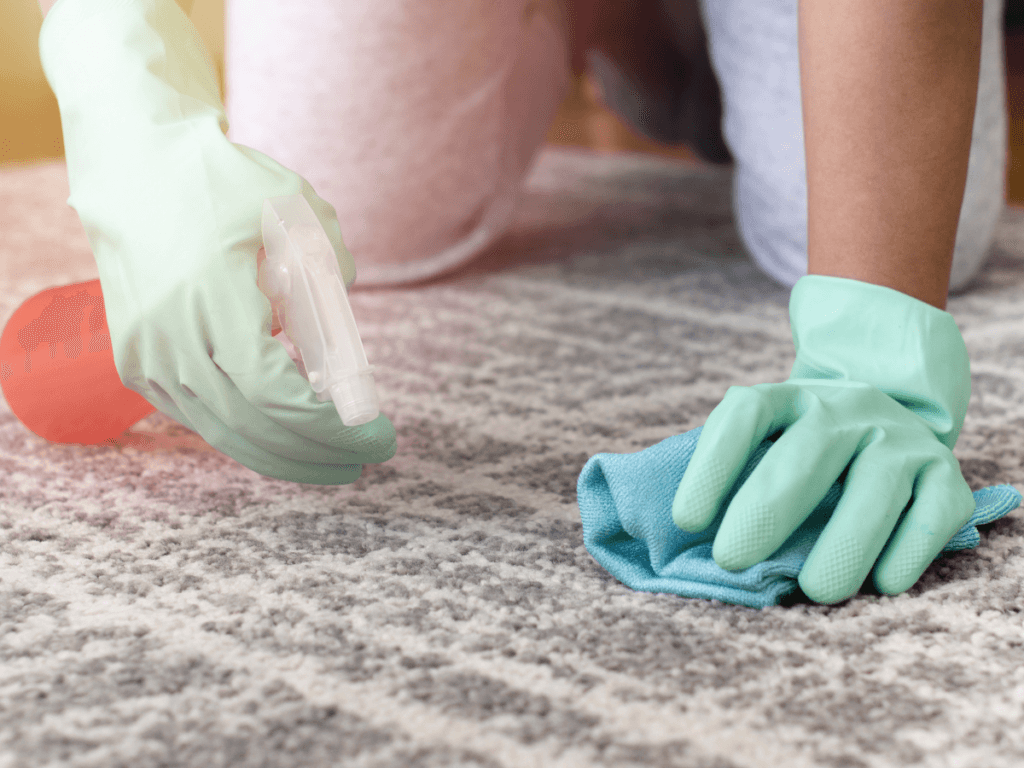
Good stain removal starts before any cleaner touches the surface. Acting promptly can help, but speed alone is not enough. The stain type, material underneath it, and cleaning method all affect what happens next.
A useful stain removal guide should therefore begin with identification rather than treatment. Wine on carpet, grease on upholstery, blood on fabric, and a spill on natural stone may all require different products and techniques.
Reaching automatically for an all-purpose cleaner can make some stains harder to remove or damage the surface around them.
Remove Excess Material Without Spreading the Stain
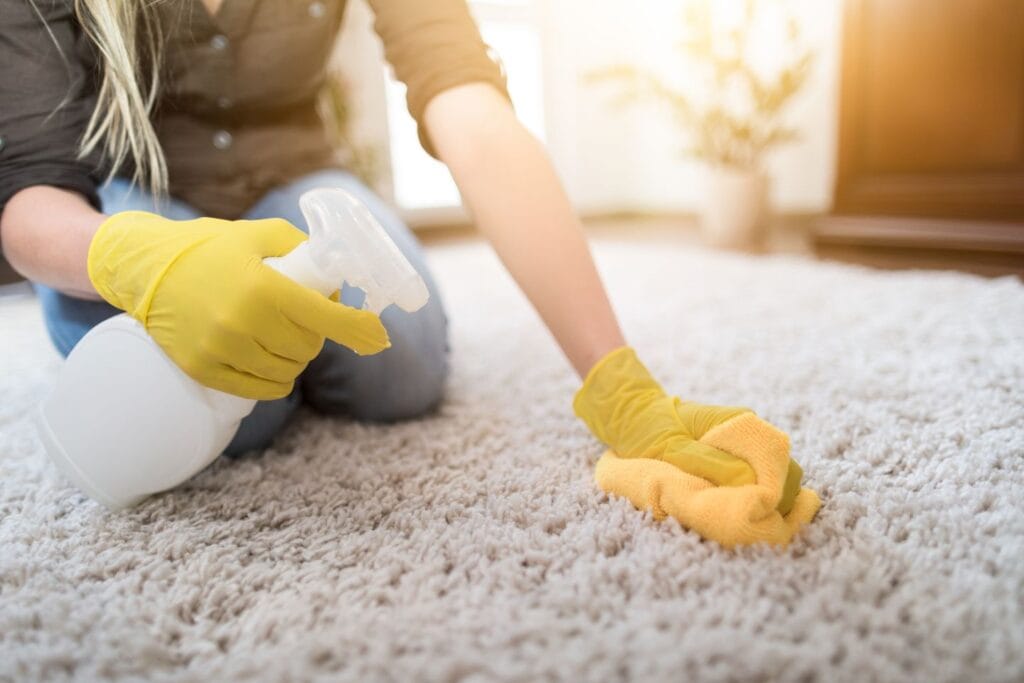
Start by removing as much of the spill as possible without pushing it farther into the material. For liquids, use a clean white cloth or plain paper towel to blot from the outside of the stain toward the center.
Press gently and switch to a clean section of the cloth as it absorbs moisture. Avoid scrubbing, which can spread the stain and, on some textiles, disturb the fibers.
For thicker spills such as sauces or mud, lift away excess material carefully with a spoon or dull edge before blotting what remains. If mud is already dry, allowing loose soil to dry fully and vacuuming it first may be more effective than adding moisture immediately.
These small distinctions matter because the goal of the first step is removal, not yet deep cleaning.
Identify Both the Stain and the Surface
Knowing what caused the mark helps narrow down the treatment, but the surface is equally important.
Common stain categories include:
- Water-based spills such as coffee, juice, and soft drinks
- Oil and grease
- Protein-based stains such as blood or some food spills
- Tannin stains such as wine and tea
- Pet accidents
- Ink, dye, cosmetics, and other pigmented substances
Then identify what you are cleaning. Carpet fibers, upholstery fabrics, hardwood finishes, grout, and natural stone do not respond the same way to moisture, heat, solvents, acids, or alkalinity.
For example, upholstery may carry a manufacturer cleaning code indicating whether water-based cleaners, solvents, or professional cleaning are appropriate. Checking the care label before treating upholstery stains can prevent problems such as discoloration, water rings, or fabric damage.
Check Care Instructions Before Choosing a Cleaner
Before using a household remedy or commercial stain remover, look for manufacturer instructions.
Upholstered furniture may have a care tag. Rugs and carpets can have fiber-specific recommendations. Clothing has laundering instructions. Sealed stone, engineered flooring, and hardwood may also have manufacturer restrictions on the cleaners that can be used safely.
This is especially important with natural stone. Acidic cleaners that are harmless on some surfaces can etch acid-sensitive stone such as marble or limestone. Likewise, excess water can damage some wood finishes or seep into seams.
A stain removal guide should never assume that a cleaner is safe simply because it is described as natural, eco-friendly, or commonly found in the home.
Test the Cleaning Method in a Hidden Area
Even a cleaner that seems appropriate for the material should be tested first. Apply a small amount in an inconspicuous location and allow the area to dry before treating the visible stain. Watch for color transfer, fading, texture changes, rings, or damage to the finish.
Testing becomes especially important with older fabrics, unknown carpet fibers, dyed materials, and delicate surfaces. Do not assume that a product labeled for “carpet” or “upholstery” is automatically suitable for every material within that category.
Use the Right Water Temperature
Hot water is not always better. Some stains respond well to warm water, but protein-based stains such as blood should generally be approached with cool or cold water first because heat can make the protein more difficult to remove.
Temperature also needs to match the material. Some upholstery fabrics and floor finishes should not be saturated or exposed to heat at all. If you are unsure what caused the stain, begin conservatively rather than introducing heat immediately.
Avoid Mixing Cleaning Products
Combining household cleaners can create dangerous reactions. Bleach should never be mixed with ammonia, acids such as vinegar, or other cleaners unless a product label specifically directs you to do so. More cleaning chemicals do not necessarily produce a stronger stain treatment.
Choose one surface-appropriate product, follow its directions, rinse or extract it as recommended, and evaluate the result before trying something else.
Know When to Stop Treating the Stain Yourself
Repeated DIY treatments can become part of the problem. If the stain is spreading, transferring color to the cloth, changing the texture of the material, or remaining after several careful attempts, stop before applying additional products.
Multiple cleaners can leave residues, alter dyes, or make later treatment more complicated. Deep-set or unidentified carpet stains may require a different approach from a fresh surface spill, particularly when the substance has reached the backing or padding.
Delicate upholstery, valuable rugs, natural stone, large stains, and marks caused by substances such as ink or dye also warrant extra caution.
Gather What You Need Before Starting
For many routine spills, a basic stain-response kit can be simple:
- Clean white absorbent cloths
- Plain paper towels
- Cool water
- A spoon or dull scraper for lifting solids
- A cleaner approved for the specific surface
- Gloves when required by the product label
Have everything ready before treatment so you are not leaving a wet stain unattended while searching for supplies.
The most important principle in any stain removal guide is not finding one cleaner that works everywhere. It is matching the method to both the substance and the surface.
Identify what you are dealing with, remove excess material gently, check care instructions, test first, and use the least aggressive method likely to work. That approach gives you a better chance of removing the stain without creating a second problem.
How Do You Remove Stains From Different Surfaces?

There is no single stain-removal method that works safely everywhere. Carpet fibers, upholstery, tile, grout, sealed wood, laminate, and stone all respond differently to moisture, friction, heat, and cleaning products.
A useful stain removal guide should therefore start with the surface, then account for the substance that caused the stain. The same spill may call for blotting on carpet, gentle wiping on sealed tile, or a much more cautious approach on wood or natural stone.
How Should You Treat Stains on Tile and Grout?
Tile is usually more forgiving than porous materials, but the grout between tiles can absorb spills and discolor more quickly.
For a fresh spill, remove any solids first, then wipe the tile with a damp cloth and a cleaner that is appropriate for that tile material. Ceramic and porcelain tile can generally tolerate more routine cleaning than natural stone, which may react badly to acidic products.
Grout deserves separate attention because it is typically more porous. Allowing spills to sit can make discoloration harder to remove, so prompt spot cleaning helps. Regular tile and grout cleaning can also prevent soil and residue from building up in the joints between tiles.
Avoid assuming that vinegar or another acidic household cleaner is suitable for every tiled surface. Marble, limestone, and other acid-sensitive stone can etch even when the cleaner seems mild.
What Is the Safest Way to Clean Blood From a Hard Surface?
Treat blood as both a stain and a hygiene issue. Wear disposable gloves if available, remove excess material with absorbent paper towels or a disposable cloth, and clean the surface with soap or detergent and water.
After the visible material has been removed, use a disinfectant that is approved for the surface and follow its label directions for application and contact time.
Do not scrub aggressively simply because the surface is hard. Vigorous wiping can spread contamination over a larger area and may damage some finishes.
The exact approach also depends on the material underneath. A sealed countertop is different from unfinished wood, porous grout, or natural stone, so confirm that the disinfectant is compatible before applying it.
How Do You Remove Gum From Floors or Countertops?
Hardening gum can make it easier to lift without smearing. On durable, water-resistant surfaces such as some tile and laminate, placing ice in a sealed plastic bag against the gum can help firm it up. Once hardened, gently lift it with a plastic scraper or another nonmetallic edge that will not scratch the finish.
Do not automatically apply ice or excess moisture directly to hardwood. Wood finishes vary, and standing water can seep into joints or damage vulnerable surfaces.
For wood, start by identifying whether the surface is sealed, polished, or unfinished. Gentle moisture control is especially important when cleaning wood surfaces, and any stronger product should be tested in an inconspicuous spot before use.
How Should Carpet Stains Be Treated?
Carpet requires a different approach because liquid can move below the visible fibers and into the backing or padding. Begin by blotting fresh spills with a clean white cloth, working from the outside toward the center. Avoid scrubbing, which can distort carpet fibers and spread the stain.
Use only a small amount of carpet-appropriate cleaner at a time. Over-wetting can leave residue behind, extend drying time, and push moisture deeper into the carpet.
The stain itself matters too. Grease, wine, coffee, pet urine, ink, and blood do not respond to the same chemistry. If you know what caused the stain, choose a treatment intended for that type of spill rather than applying a general cleaner repeatedly.
What About Stains on Upholstery?
Upholstery should be treated according to its care code and fabric construction. Some fabrics tolerate water-based cleaning, while others require solvent-based products or professional cleaning.
Check the manufacturer label before applying anything, particularly to sofas, upholstered chairs, and cushions with unknown fiber content.
Blot liquid spills rather than rubbing them. Use as little moisture as necessary, and avoid saturating the cushion beneath the fabric. If a stain begins creating a ring, transferring dye, or changing the texture of the upholstery, stop rather than escalating to stronger products.
How Do You Handle Stains on Hardwood?
Hardwood needs a restrained approach because the finish is often more vulnerable than the stain itself. Remove spills promptly with a soft, slightly damp cloth, then dry the area. Avoid soaking the floor, leaving wet towels in place, or using abrasive scrubbers.
If a mark remains, identify the floor finish before trying a stronger cleaner. Products that are safe for polyurethane-coated flooring may not be appropriate for waxed, oiled, unfinished, or older wood.
A stain that has penetrated below the finish may not respond to ordinary surface cleaning and can require refinishing rather than repeated scrubbing.
When Should You Stop Using DIY Stain Treatments?
Stop if the stain is spreading, the surface color is changing, fibers are becoming distorted, or repeated treatments are producing little improvement.
It is also worth stepping back when the stain involves delicate upholstery, valuable rugs, natural stone, unfinished wood, unknown dyes, or a spill that has soaked through carpet into the padding.
More cleaner is not always the answer. Layering several products can leave residues, create discoloration, or make later removal more difficult.
The most reliable stain removal guide is one that changes with the material in front of you. Identify the surface first, use the least aggressive appropriate method, control moisture, and stop if the treatment appears to be causing more damage than the original stain.
What Should You Do When a Stain Still Will Not Come Out?
A stain that survives the first careful treatment does not necessarily need a stronger cleaner. Sometimes the problem is that the stain has penetrated deeper into the material, the wrong treatment was used earlier, or the remaining discoloration is no longer removable through ordinary surface cleaning.
At that point, a good stain removal guide should help you decide whether to try another method, stop before causing damage, or bring in professional help. Repeated scrubbing and layering different products can make the situation worse, especially on carpet, upholstery, wood, and delicate finishes.
Stop If the Surface Is Starting to Change
The condition of the material matters more than eliminating every last trace of the stain.
Stop treating the area if you notice:
- Color transferring onto your cleaning cloth
- Fading or bleaching around the stain
- Carpet fibers becoming fuzzy or distorted
- Upholstery developing water rings
- Wood finishes turning cloudy or dull
- Stone losing its polish
- Adhesive or seams beginning to loosen
These changes suggest that the treatment is affecting the surface itself. Continuing with stronger products or more aggressive scrubbing may leave damage that is harder to correct than the original mark.
Allow the area to dry fully before deciding whether another treatment is needed. Wet fibers and finishes can temporarily appear darker, lighter, or more discolored than they will once dry.
Consider What Has Already Been Used on the Stain
Before trying another cleaner, make a quick record of what you have already applied. This matters because residues from previous products can interact with the next treatment. A stain that has already been exposed to detergent, vinegar, peroxide, solvent, or another spot cleaner may behave differently from a fresh spill.
Do not keep combining products in the hope that one eventually works. In addition to creating the risk of surface damage, some household cleaning chemicals can react dangerously when mixed.
If professional treatment becomes necessary, knowing what was already used can also help the cleaner choose a more appropriate next step.
Treat Lingering Odor as a Separate Problem
A mark can disappear while an odor remains, particularly after pet accidents, food spills, milk, moisture, or other organic material reaches below the visible surface.
That does not automatically mean the area needs disinfecting. First, consider whether residue may still be trapped in carpet backing, padding, upholstery filling, grout, or another porous material.
Masking the smell with fragrance will not remove the source. Effective odor removal starts by addressing whatever remains in or beneath the material rather than simply covering the smell.
If the odor returns after the surface has dried, the affected area may need deeper extraction or cleaning below the immediately visible layer.
Be More Cautious With Old or Unknown Stains
Stains left by previous occupants, tenants, customers, or property owners can be harder to evaluate because you may not know what caused them or how they were treated.
Avoid guessing with increasingly aggressive cleaners. Start with the least invasive method appropriate for the surface and watch closely for changes.
In a move-in or move-out situation, it can also help to photograph persistent marks before cleaning begins. This creates a record of their original condition and makes it easier to distinguish pre-existing staining from damage that occurs during treatment.
If the stain is on valuable flooring, upholstery, rugs, stone, or another material that would be expensive to replace, professional assessment may be safer than experimenting with several household remedies.
Know the Difference Between a Stain and Permanent Damage
Not every visible mark can be cleaned away. Bleach can remove dye from carpet or fabric. Acids can etch natural stone. Moisture can alter wood finishes. Heat may change some fibers or coatings. In those cases, what looks like a persistent stain may actually be permanent discoloration or surface damage.
Cleaning cannot restore pigment that has been removed or repair a finish that has been chemically altered. If repeated cleaning produces no transfer onto the cloth and no improvement in appearance, consider whether restoration, refinishing, dye repair, or replacement may be more appropriate than further stain treatment.
When Is It Time for Professional Stain Removal?
Professional help becomes more reasonable when:
- The stain remains after one or two appropriate treatments.
- You do not know what caused the stain.
- Several different cleaners have already been used.
- The stain has penetrated carpet backing or upholstery padding.
- Odor returns after the area dries.
- The material is delicate, valuable, or difficult to replace.
- The affected area is large.
- DIY treatment is beginning to alter the color or texture of the surface.
Carpet stains that have worked deeper into the fibers may require more intensive carpet-cleaning methods than repeated spot treatment can provide. Once moisture, residue, or discoloration moves below the surface, simply applying more cleaner from above may not reach the actual source of the problem.
Professional cleaning does not guarantee that every stain can be removed. Some substances permanently change dyes, fibers, coatings, or finishes. A reputable cleaner should be able to assess that possibility before repeatedly treating the area.
Do Not Keep Escalating Just Because a Mark Is Still Visible
One of the easiest mistakes in stain removal is assuming that more treatment must eventually produce a better result. Sometimes the better decision is to stop.
Give the surface time to dry completely, reassess the mark in normal lighting, and determine whether it has actually improved. If further treatment carries a greater risk of fading, abrasion, moisture damage, or chemical interaction, continuing may not be worthwhile.
A practical stain removal guide should help protect the material as well as remove the stain. Once careful spot cleaning stops producing meaningful improvement, changing the strategy is usually more sensible than simply using more product, more pressure, or more time.
How Should You Treat Different Types of Stains?
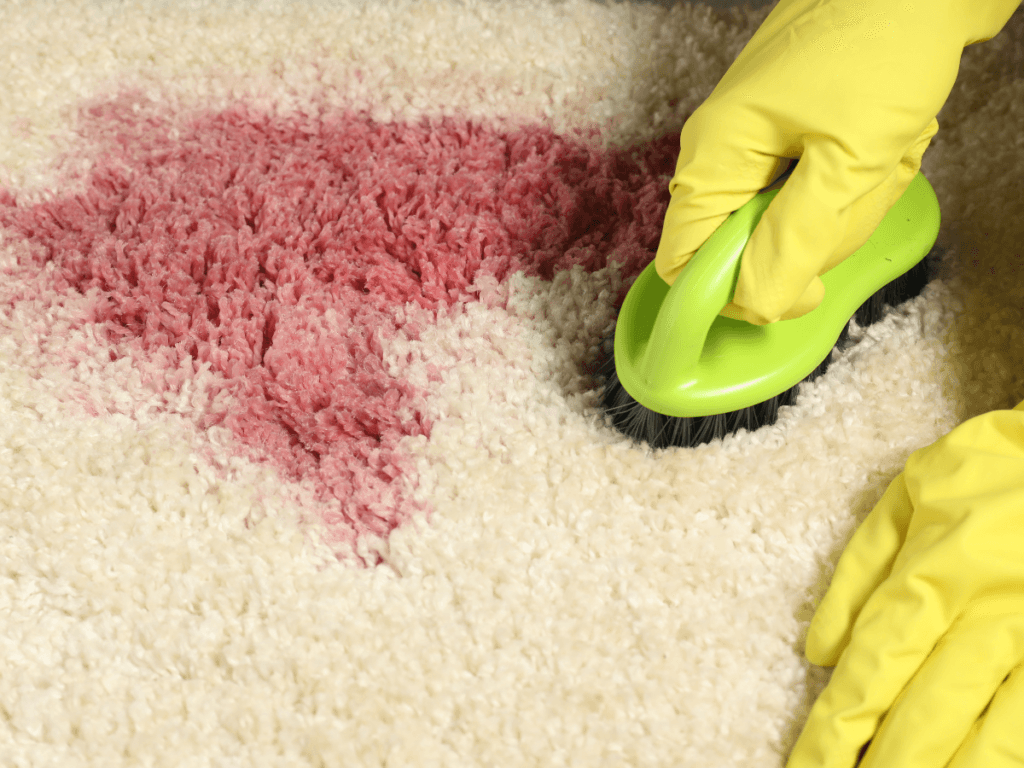
Once you know what surface you are cleaning, the next question is what caused the stain. Coffee, cooking oil, blood, pet urine, ink, and mud behave differently, so the same cleaner or water temperature will not work equally well for all of them.
A practical stain removal guide should match the first response to the type of spill while still accounting for the material underneath. These are starting points, not universal recipes. Always check the surface-care instructions and test any cleaner in a hidden area before treating a visible spot.
| Stain Type | Best First Response | What to Avoid |
|---|---|---|
| Coffee, tea, or wine | Blot excess liquid promptly | Rubbing or immediately applying heat |
| Grease or oil | Lift or absorb as much oil as possible | Flooding the stain with water |
| Blood | Blot with cool water | Hot water or aggressive scrubbing |
| Pet accidents | Absorb liquid, then address remaining organic residue | Masking odor with fragrance alone |
| Mud | Let loose mud dry when appropriate, then remove dry soil | Grinding wet dirt deeper into fibers |
| Ink or makeup | Blot carefully and identify the product base | Rubbing outward and spreading pigment |
Coffee, Tea, and Wine Stains
Coffee, tea, and wine contain pigments that can become increasingly noticeable as liquid penetrates porous materials. Start by blotting as much of the spill as possible with a clean white cloth.
Work from the outer edge toward the middle so the wet area does not continue spreading. Once the excess liquid has been removed, choose a treatment that is safe for the carpet, upholstery, clothing, or hard surface underneath.
Avoid scrubbing. Friction can push liquid farther through carpet fibers or upholstery and enlarge the visible mark. Be cautious with heat as well. Drying or heating a stained fabric before the discoloration has been removed can make later treatment more difficult.
Grease and Oil Stains
Oil-based stains require a different approach because water alone does not readily remove greasy residue. If there is excess grease on the surface, lift it carefully rather than smearing it. On suitable fabrics or carpets, an absorbent material may help draw up some of the oil before a compatible cleaning product is introduced.
The cleaner needs to be appropriate for both the grease and the material. Upholstery that requires solvent cleaning, for example, should not be treated as though it were a washable fabric.
Avoid saturating an oil stain with water at the beginning. Excess moisture can spread the affected area without actually breaking down the oily residue.
Blood and Other Protein-Based Stains
Blood should generally be approached with cool or cold water rather than heat. Blot carefully to remove as much material as possible, using a clean section of cloth each time.
On washable items, follow the care instructions before laundering. On carpet, upholstery, or hard surfaces, choose a treatment appropriate for that particular material.
Do not scrub vigorously. Apart from spreading the stain, aggressive friction can damage fibers or finishes. If blood is on a household hard surface, remember that visible stain removal and disinfection are separate steps.
Clean away the material first, then use a disinfectant that is approved for the surface and follow its label directions.
Pet Accidents
Pet accidents can leave both discoloration and odor because urine and other organic material can travel below the visible surface.
Begin by absorbing as much liquid as possible. Press clean towels into carpet or upholstery rather than rubbing across the area. Once the excess moisture has been removed, use a treatment that is compatible with the material and intended to address organic residue.
For carpet, the depth of the accident matters. If urine has reached the backing or padding, surface cleaning alone may not reach all of it. Odor that disappears while wet and returns after drying is a clue that residue may remain beneath the surface.
Routine carpet cleaning and maintenance can also make spills easier to manage by preventing soil and residue from accumulating between deeper cleanings. Prompt spot care is still important because allowing organic material to sit gives it more time to penetrate the fibers.
Mud and Soil
Mud is one stain where acting immediately with water is not always the best choice. If the material can safely be left to dry, removing loose dry soil first can prevent you from creating a larger muddy area. Vacuum or gently brush away what will come off without forcing dirt deeper into the surface.
Treat any remaining discoloration afterward with a cleaner appropriate for the material. The exception is a spill containing something other than ordinary soil. Mud contaminated with oil, chemicals, sewage, or another unknown substance requires a different level of caution and should not be handled like routine tracked-in dirt.
Ink, Makeup, and Dye-Based Stains
Highly pigmented stains can spread quickly once they are rubbed or saturated. Blot rather than wipe across the material, and work from the outside inward.
Before choosing a cleaner, identify the substance as closely as possible. Water-based makeup behaves differently from an oil-heavy cosmetic, and permanent marker is not the same as washable ink.
Avoid experimenting with strong solvents until you know the underlying material can tolerate them. Acetone, alcohol, and other solvents may affect dyes, finishes, plastics, or synthetic fibers even if they successfully dissolve the stain itself.
With these stains, protecting the surface from damage is often more important than trying to remove every trace in one treatment.
Unknown Stains Need a Conservative Approach
Sometimes you simply do not know what caused the mark. Look at its color, texture, location, odor, and whether it feels oily, sticky, crusted, or completely dry. Those clues can help narrow down the possibilities, but they are not proof.
Do not start combining household remedies until something works. Use the least aggressive surface-safe method first, allow the area to dry, and reassess before moving to another treatment.
That principle applies throughout any stain removal guide: identify what you can, protect the underlying material, and make one deliberate treatment choice at a time. The goal is not just to remove the visible stain. It is to do so without spreading it, setting it, or damaging the surface underneath.
Frequently Asked Questions About Stain Removal
Should You Use Hot or Cold Water on a Stain?
It depends on what caused the stain and what material you are cleaning. Hot water is not automatically more effective, and in some cases it can make removal harder.
Protein-based stains such as blood are generally better approached with cool or cold water first. Heat can make proteins more difficult to remove from fabric and other porous materials. Grease and oil may respond differently, but the water temperature still needs to be appropriate for the surface.
If you do not know what caused the stain, start conservatively. Check the care instructions, avoid excessive heat, and test the treatment before applying it across the entire mark.
Is It Better to Blot or Scrub a Stain?
Blotting is usually the safer first response for liquid spills on carpet and upholstery. Press a clean white cloth into the spill and lift moisture away rather than moving the cloth back and forth. Work from the outside edge toward the center to reduce spreading.
Scrubbing can drive a spill deeper into fibers, enlarge the affected area, or distort the material. Hard surfaces may tolerate more wiping, but aggressive abrasion can still scratch finishes or damage grout, wood, and stone.
A stain removal guide should treat friction as something to control, not as proof that you are cleaning thoroughly.
Can Vinegar Remove Every Household Stain?
No. Vinegar is useful in some cleaning situations, but it is not a universal stain remover. Because vinegar is acidic, it can damage acid-sensitive natural stone such as marble and limestone. It may also be unsuitable for certain finishes, fabrics, flooring materials, or manufacturer-treated surfaces.
Even where vinegar is safe, it may not address the chemistry of the stain itself. Grease, ink, protein, tannin, and dye-based stains can require very different treatments. Before using vinegar or any homemade cleaner, confirm that the surface can tolerate it and test a small hidden area first.
Does Baking Soda Remove Stains or Just Odors?
Baking soda can absorb some moisture and odors, but its usefulness depends on the stain and surface.
It should not be treated as a universal stain-removal powder. Its mildly abrasive texture can be undesirable on polished or delicate finishes, while sprinkling it onto a deep carpet stain does not necessarily remove material that has already penetrated the fibers or backing.
For odors, removing the source is more important than covering or absorbing the smell temporarily. If residue remains underneath carpet, upholstery, or another porous material, the odor may return even after the surface appears clean.
Can Old Stains Still Be Removed?
Sometimes, but age is only one factor. An older stain may have penetrated more deeply, undergone chemical changes, been exposed to heat, or already been treated with several products. The material itself also matters. A stain on durable tile is a different problem from discoloration in delicate upholstery or natural stone.
Start by identifying the surface and, if possible, what caused the mark. Avoid immediately escalating to harsh chemicals simply because the stain is old.
Some old marks are actually permanent changes to the material rather than removable residue. Bleached fabric, etched stone, altered wood finish, and faded carpet dye cannot be restored through ordinary stain cleaning.
How Can You Tell Whether a Stain Is Permanent?
Allow the area to dry completely before deciding. Wet carpet, upholstery, wood, and stone can temporarily look darker or uneven. Once dry, examine whether the remaining mark appears to be residue on the material or a change in the material itself.
Signs of permanent damage can include:
- Missing or faded color
- Etching on polished stone
- A cloudy or stripped wood finish
- Melted or distorted fibers
- Bleached areas
- Scratches or abrasion left by previous cleaning
If the material itself has changed, applying more stain remover is unlikely to fix it. Restoration, refinishing, recoloring, or replacement may be necessary instead.
How Many Times Should You Treat a Stain Before Stopping?
There is no fixed number, but repeated treatments should produce noticeable improvement without altering the surface.
If one or two appropriate attempts make little difference, allow the area to dry and reassess before adding another product. Continuing to scrub or layering several cleaners can introduce residue, discoloration, moisture damage, or chemical interactions.
Stop immediately if the material begins fading, transferring color, changing texture, developing rings, or showing damage around the treated area.
Knowing when to stop is an important part of any responsible stain removal guide. Protecting the carpet, fabric, flooring, or finish matters more than eliminating every faint mark at any cost.
When Does a Stain Need Professional Cleaning?
Professional cleaning becomes more useful when the stain has penetrated below the visible surface, the cause is unknown, previous DIY treatments have failed, or the material is difficult or expensive to replace.
Large affected areas, recurring odors, delicate upholstery, valuable rugs, natural stone, and stains involving carpet padding can also justify a more cautious approach.
In these situations, broader professional cleaning services may provide access to equipment and treatment methods that ordinary spot cleaning cannot reproduce. The important question is not whether a stain looks difficult, but whether additional DIY treatment risks making the material worse.
Professional treatment still cannot guarantee that every mark will disappear. Permanent dye loss, chemical damage, etching, and other changes to the material may remain even after the residue itself has been removed.
Should You Disinfect an Area After Removing a Stain?
Only when the type of spill and surface make disinfection appropriate. A coffee spill on a carpet does not automatically require disinfecting.
Blood, bodily fluids, some pet accidents, food contamination, or other potentially infectious material may call for cleaning followed by an appropriate disinfectant on surfaces that can tolerate one.
Cleaning and disinfecting are different steps. Cleaning removes dirt and organic material, while disinfectants are designed to reduce or kill microorganisms when used according to their label directions. Applying disinfectant over visible soil can make it less effective, so the area generally needs to be cleaned first.
Never assume that a stronger disinfectant is safer or more effective. Check that the product is approved for the surface and follow the required contact time.
Can You Prevent Stains From Becoming Permanent?
You cannot prevent every stain, but the first response can make a substantial difference. Remove excess material promptly, blot liquids rather than rubbing them, identify the surface before choosing a cleaner, and avoid heat until you know it is appropriate.
Keeping clean white cloths, gloves, and a few surface-safe cleaning products available also makes it easier to respond without improvising.
Routine vacuuming and cleaning help too because dirt already embedded in carpet or upholstery can complicate spot treatment. Protective treatments may be useful on some materials, but they should always be compatible with the manufacturer’s care recommendations.
The goal is not to make every surface stain-proof. It is to reduce the chance that a manageable spill becomes a larger cleaning problem.
Conclusion
Successful stain removal starts with identifying both the stain and the surface before choosing a cleaning method. Acting quickly, using appropriate products, and testing treatments in an inconspicuous area can help remove everyday spills and marks without causing unnecessary damage.
For stubborn stains or homes that need a more thorough refresh, professional cleaning can save time while giving floors, furniture, and other household surfaces the attention they need.
For dependable residential cleaning and professional stain removal, choose Magic Cleaning Pros. If you’re ready for a cleaner, fresher home without tackling every stubborn stain yourself, call 678-515-5820 to speak with the team at Magic Cleaning Pros and book your cleaning service today.