
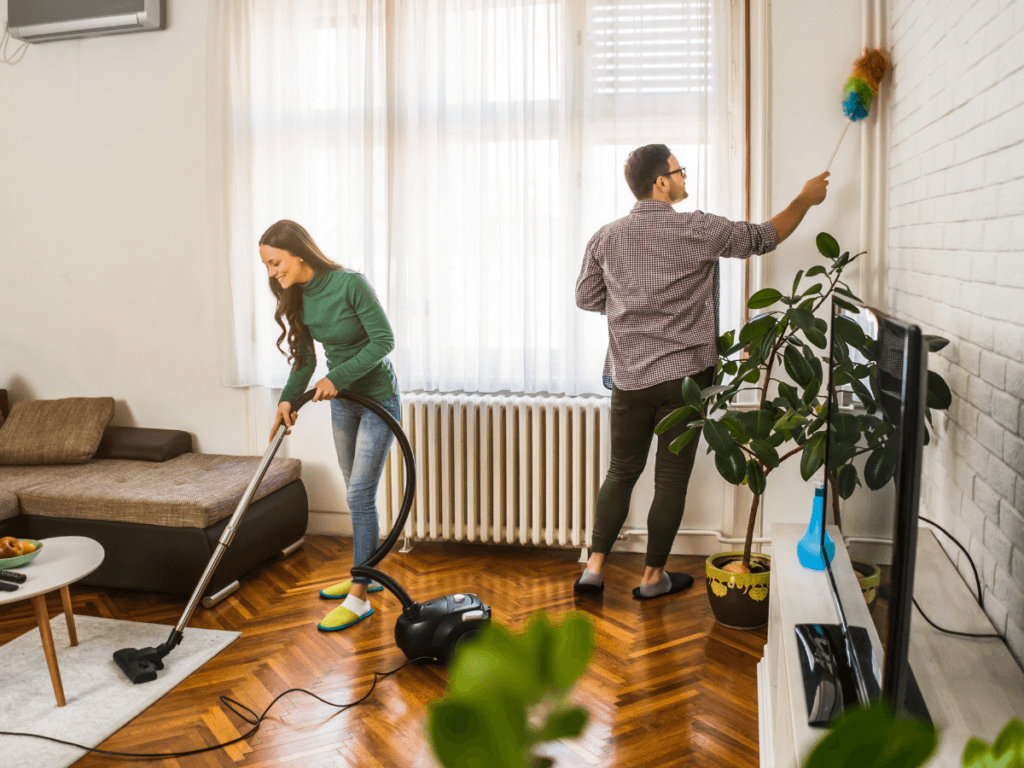
If dust seems to return almost immediately after cleaning, the problem may not be how often you dust but how you do it. Using the wrong tools or cleaning surfaces in the wrong order can simply move particles around, sending them into the air before they settle somewhere else.
Effective dusting techniques focus on capturing dust rather than redistributing it. Microfiber cloths, vacuum attachments, top-to-bottom cleaning, and regular attention to commonly missed areas can make routine cleaning more efficient.
For households concerned about allergens, reducing airborne dust and knowing when deeper professional cleaning may help are equally important.
From choosing the best dusting tools to tackling furniture, vents, electronics, and hard-to-reach surfaces, a smarter approach can help your home stay cleaner between cleaning sessions.
Dusting Techniques for a Cleaner, Healthier Home
How Can Homeowners Remove Dust More Effectively?
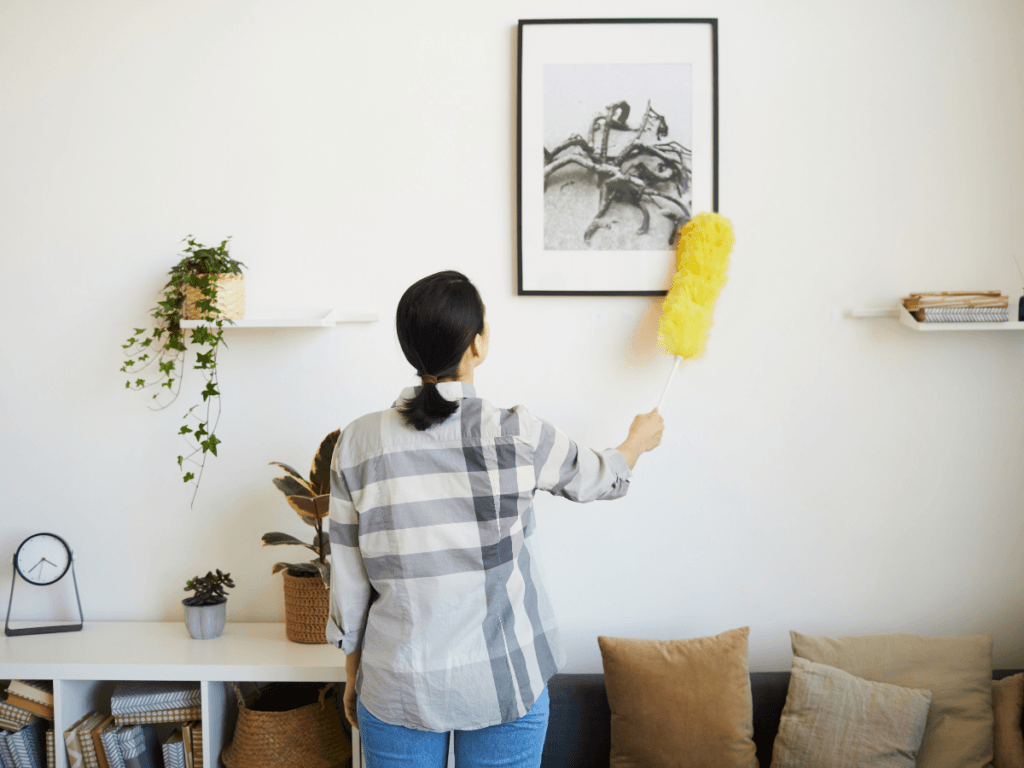
Good dusting techniques do more than make furniture look clean. The goal is to actually capture and remove dust instead of moving it from one surface to another, where it can settle again within hours.
Household dust can collect on shelves, electronics, blinds, baseboards, fabrics, flooring, and places that are easy to overlook. A more effective routine combines surface dusting with vacuuming and occasional attention to hidden areas where debris accumulates.
Dust From High Surfaces to Low Surfaces
Start at the highest point in the room and work downward.
Ceiling fans, light fixtures, the tops of cabinets, tall shelving, vents, and window treatments should come before tables, counters, and floors. Any particles that fall during cleaning will land on surfaces you have not cleaned yet.
A practical order looks like this:
- Ceiling fans and high fixtures
- Tops of cabinets and tall furniture
- Shelves, blinds, and wall décor
- Tables, desks, and other horizontal surfaces
- Baseboards and low furniture
- Upholstery, rugs, and flooring
Vacuum or mop the floor last. This captures material that was dislodged during the rest of the process rather than leaving it behind to circulate again.
Periodically expanding that routine into a more thorough home deep cleaning can also help address areas that do not need attention during every weekly cleaning session.
Use a Slightly Damp Microfiber Cloth on Most Hard Surfaces
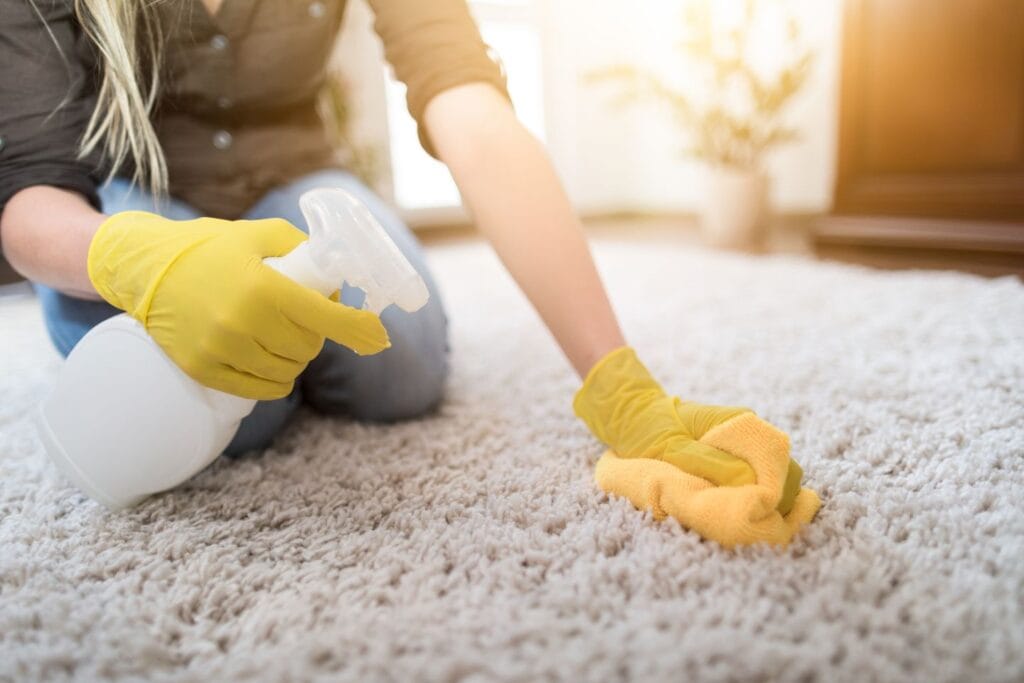
For shelves, tables, dressers, baseboards, and similar hard surfaces, a clean microfiber cloth is usually more effective than a dry feather duster.
Microfiber has very fine fibers that help pick up and hold particles instead of simply pushing them across a surface. Slightly dampening the cloth can further reduce the amount of loose dust sent back into the air.
The cloth should be damp, not wet. Excess moisture is unnecessary and may be unsuitable for unfinished wood, electronics, or other moisture-sensitive materials.
Fold the cloth into sections and rotate to a clean area as each section becomes dirty. Continuing to wipe with a heavily soiled cloth can spread residue rather than remove it.
For delicate materials, screens, specialty finishes, or electronics, follow the manufacturer’s cleaning instructions before introducing moisture or cleaning products.
Vacuum Soft Surfaces and Dust-Holding Areas
Dust does not only sit on visible hard surfaces. Carpets, rugs, upholstered furniture, mattresses, curtains, and fabric-covered furniture can hold fine particles that a dusting cloth cannot reach. Vacuum these areas using the appropriate attachment and suction setting for the material.
A vacuum equipped with a properly maintained HEPA filter can be useful in households concerned about fine particles and common indoor allergens. The filtration system matters, but so does maintenance. A clogged filter, full bag, or dirty collection bin can reduce vacuum performance.
For upholstery, use the upholstery attachment and pay attention to seams, beneath cushions, and along the back of furniture. More targeted cleaning for allergy sufferers may also be useful in homes where dust, pollen, pet dander, or other particles are a recurring concern.
Do Not Forget the Places Dust Hides
A home can look freshly dusted while substantial buildup remains out of sight.
Commonly missed areas include:
- Tops of door frames
- Ceiling fan blades
- Window blinds and sills
- Baseboards
- Air vent covers
- Behind televisions and electronics
- Under beds and sofas
- Behind movable furniture
- Lampshades and light fixtures
- Upholstery seams and cushions
You do not need to clean every hidden area each time you dust. Rotating one or two less-visible areas into the routine prevents them from becoming major cleanup jobs later.
How Often Should You Dust?
There is no universal schedule that works for every household.
Weekly dusting is a reasonable starting point for frequently used rooms and exposed surfaces, but some homes need attention sooner. Pets, open windows, nearby construction, heavy foot traffic, carpeting, and the number of people living in the home can all affect how quickly dust returns.
Instead of treating seven days as a strict rule, watch the surfaces in your own home. If visible dust consistently appears after three or four days, a lighter midweek pass may be more practical than waiting for a full weekly cleaning.
Low-use rooms and concealed areas can usually be handled less often.
Which Tools Work Best for Dusting?
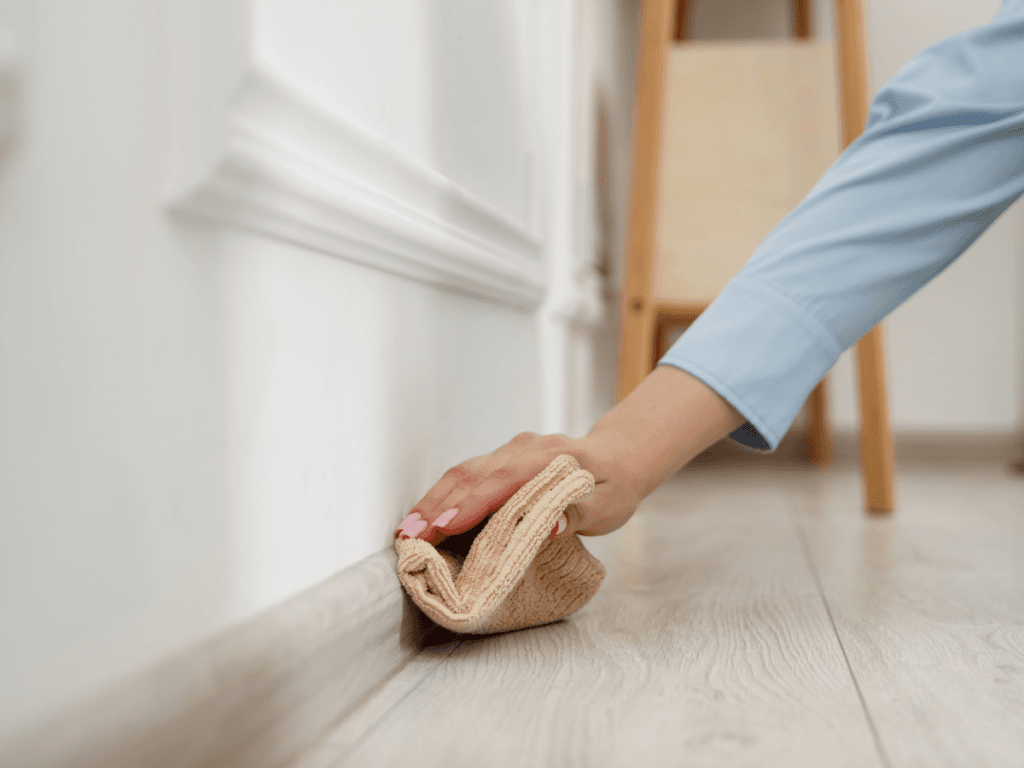
No single tool is ideal for every part of the house. Effective dusting techniques match the tool to the surface and the type of debris being removed.
| Tool | Best Use | Main Advantage |
|---|---|---|
| Microfiber cloth | Furniture, shelves, counters, baseboards | Captures loose surface dust |
| Extendable microfiber duster | Fans, fixtures, tall shelves | Reaches high areas safely |
| Vacuum with brush attachment | Upholstery, vents, crevices | Removes dust rather than wiping it elsewhere |
| HEPA-filter vacuum | Carpets, rugs, upholstered surfaces | Helps capture fine particles during vacuuming |
| Soft detailing brush | Electronics and intricate objects | Reaches narrow spaces gently |
Microfiber Cloths Work Best When Used Correctly
Microfiber is useful because the cloth’s dense fibers create more surface area for capturing particles than a basic cotton rag. Technique still matters. Wiping aggressively back and forth can redistribute debris. Use controlled passes, folding and rotating the cloth as it becomes dirty.
Wash reusable microfiber separately according to its care instructions. Fabric softener can coat the fibers and reduce their ability to capture particles effectively.
Extendable Dusters Make High Areas Easier to Reach
An extendable duster is useful for ceiling fans, crown molding, high shelves, vents, and fixtures. Choose a washable microfiber head when possible. Disposable dusters can work for quick touchups, but reusable heads make it easier to clean the tool thoroughly between uses.
Avoid standing on unstable furniture to reach high surfaces. A sufficiently long handle is safer and usually gives better control.
Vacuum Attachments Handle Areas Cloths Cannot
Vacuum attachments are often overlooked as dusting tools. A soft brush can clean vents, lampshades, upholstery, baseboards, and textured surfaces without pushing loose debris onto the floor. Crevice attachments are useful behind furniture and along edges where ordinary dusters cannot reach.
The most effective routine combines these tools rather than relying on one method throughout the house.
Starting high, capturing dust instead of scattering it, cleaning soft surfaces as well as hard ones, and vacuuming the floor last creates a more complete system. Those dusting techniques are simple enough for routine cleaning while still addressing the places where household dust tends to accumulate.
How Can Dusting Techniques Help Reduce Indoor Allergens?
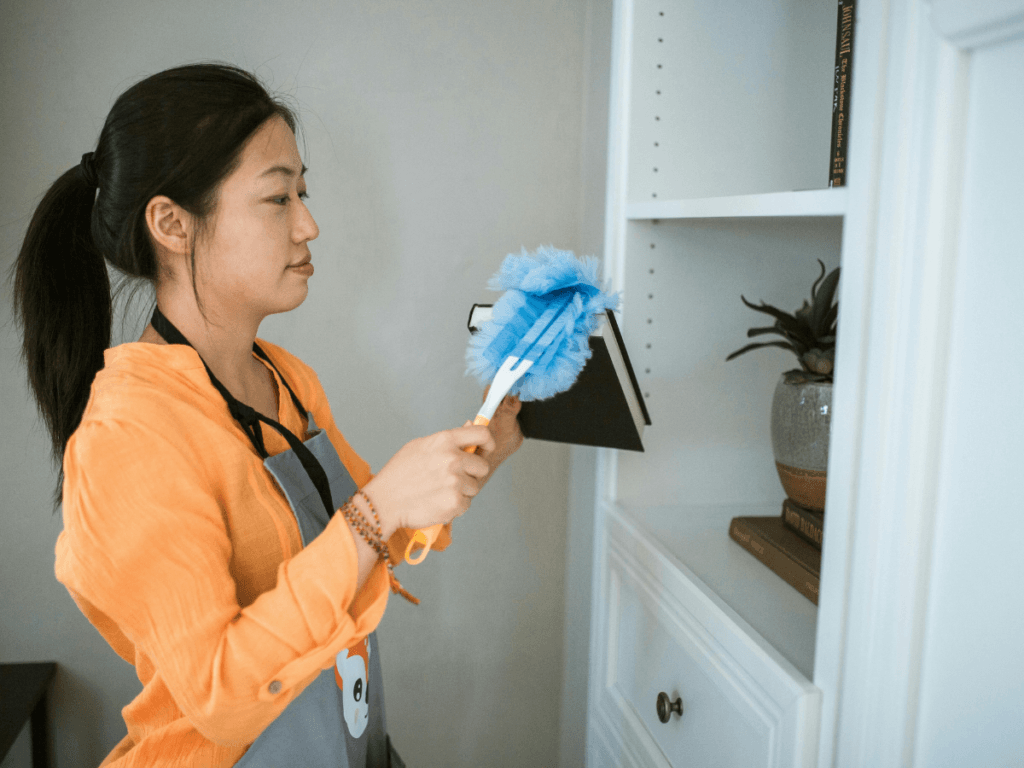
Allergy-conscious cleaning is less about making a home completely free of allergens and more about reducing the amount of dust, pollen, pet dander, and other particles that collect on surfaces and become airborne again.
The most effective dusting techniques focus on capture rather than redistribution. They also address the places where allergens accumulate between cleanings, including bedding, carpets, upholstered furniture, window treatments, and other fabrics.
Avoid Cleaning Methods That Send Dust Back Into the Air
Dry sweeping, vigorous feather dusting, and aggressively shaking dusty fabrics indoors can temporarily increase the amount of material suspended in the air.
For hard surfaces, use a clean microfiber cloth that is dry or slightly damp, depending on the material. Work slowly enough for the cloth to collect particles rather than flicking them into the room.
Vacuum floors after dusting so debris that falls from shelves, furniture, blinds, and other surfaces is removed at the end of the cleaning process.
If someone in the household is particularly sensitive to dust or pollen, it may also help to avoid cleaning immediately before they spend time in the room. Even careful cleaning can disturb some settled material temporarily.
Pay More Attention to Fabrics and Other Allergen Reservoirs
Dusting a tabletop does little to address particles stored in soft furnishings. Bedding, mattresses, rugs, carpeting, upholstered furniture, curtains, and pet bedding can all collect dust and other indoor allergens over time.
These surfaces therefore need their own cleaning schedule rather than being treated as part of ordinary surface dusting.
Wash bedding regularly according to the fabric-care instructions. Vacuum upholstered furniture and mattresses with an appropriate attachment, and clean removable cushion covers and curtains when their care labels allow it.
Homes with pets may need more frequent cleaning in rooms where animals spend the most time because fur and dander can accumulate on furniture, rugs, bedding, and floors.
The goal is not to clean every fabric every week. Instead, identify the surfaces that collect the most debris and rotate them into the routine so buildup does not go unnoticed for months.
Manage Humidity Rather Than Focusing on Dust Alone
Dust mites tend to thrive in humid indoor environments, so moisture control can complement regular dust removal.
A commonly recommended target is to keep indoor relative humidity below about 50 percent where practical. The appropriate level can vary with climate and season, and excessively dry air can also be uncomfortable.
Bathrooms, basements, laundry areas, and other moisture-prone spaces deserve particular attention. Ventilation, exhaust fans, dehumidification, and repairing water leaks can all help manage excess moisture.
Humidity control should be viewed as one part of a broader cleaning strategy. It does not eliminate the need to wash bedding, vacuum carpeting, or remove settled dust.
Use HEPA Filtration as a Complement to Surface Cleaning
Dusting deals primarily with particles that have already settled. Filtration helps address some particles that remain airborne. A properly maintained vacuum with effective filtration can help contain fine debris while cleaning carpets, rugs, upholstery, and flooring.
If using a HEPA-filter vacuum, replace or clean filters according to the manufacturer’s instructions. A neglected filter can reduce performance regardless of the technology printed on the machine.
Portable air purifiers equipped with HEPA filtration may also help reduce certain airborne particles in the room where the unit operates. They are not substitutes for cleaning because particles can still settle onto furniture, fabrics, and floors.
The most effective approach combines both. Surface cleaning removes accumulated material, while filtration can help manage particles circulating through the air between cleaning sessions.
A broader indoor air quality cleaning strategy may also include carpets, upholstery, high-traffic flooring, and less-visible areas where routine surface cleaning does not reach.
Be Careful With Fragrances and Aerosol Cleaning Products
Products marketed as “fresh” or “hypoallergenic” are not automatically the best choice for every sensitive household.
Strong fragrances and aerosol sprays can irritate some people even when the product itself removes dust effectively. If someone in the home reacts to scented products, consider fragrance-free alternatives and avoid unnecessarily spraying cleaners into the air.
Apply cleaning solutions to a cloth when appropriate rather than misting a large area. Always follow product instructions and check whether a cleaner is suitable for the surface.
“Natural” should not automatically be treated as synonymous with non-irritating either. Individual sensitivities vary, so product selection should be based on ingredients, instructions, and household needs rather than marketing labels alone.
Adjust Cleaning Frequency to the Household
There is no universal allergy-friendly cleaning schedule. A home with several pets, carpeting, frequent open windows, or high seasonal pollen exposure may need more frequent attention than a home with hard flooring and relatively little outdoor debris entering the space.
Watch for the areas where dust visibly returns first. Bedrooms, living rooms, entryways, and pet areas often require more frequent cleaning than guest rooms or rarely used spaces.
Instead of repeatedly deep-cleaning the entire home, use targeted maintenance between larger cleaning sessions. A quick pass over high-contact surfaces, floors, and known dust traps can prevent buildup without turning every cleaning day into a major project.
Know What Dusting Can and Cannot Do
Effective dusting techniques can reduce settled particles and help limit how much material is stirred back into the air, but dusting should not be presented as a treatment for allergies, asthma, or other medical conditions.
It also cannot remove every indoor allergen. Pollen can enter from outdoors, pet allergens can persist on fabrics, dust mites live within soft materials, and some airborne particles may remain even in a visually clean room.
For that reason, allergy-conscious cleaning works best as a layered approach: capture dust rather than scatter it, vacuum and wash soft surfaces, manage excess humidity, maintain filtration equipment, and clean the areas where particles accumulate most heavily.
That creates a more realistic goal than trying to maintain an “allergen-free” home. The aim is to reduce avoidable buildup and make the indoor environment easier to maintain over time.
When Should Homeowners Consider Professional Dusting Services?
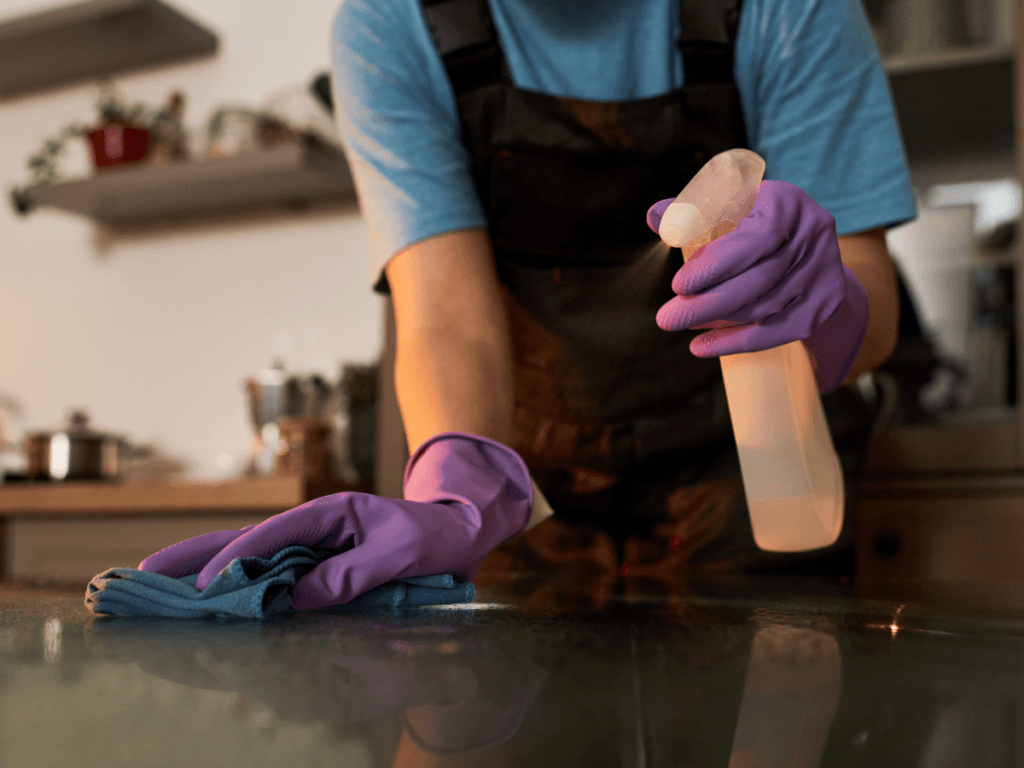
Routine dusting is manageable for many households, but there are times when professional cleaning can make sense. The value is not simply that someone else wipes the same visible surfaces.
A thorough service can address accumulated dust in high, low, hidden, and labor-intensive areas that are easy to skip during normal weekly cleaning.
Professional help may be especially useful before or after a move, during a seasonal deep clean, after a long period without detailed cleaning, or when household schedules make it difficult to keep up with more time-consuming tasks.
It should not, however, be treated as a medical solution for allergies or poor indoor air quality. Cleaning can reduce accumulated dust and debris, but it cannot eliminate every airborne particle or replace appropriate ventilation, filtration, moisture control, or medical advice.
Look for More Than Basic Surface Dusting
If dust buildup is the main reason for hiring a cleaner, ask what the service actually includes.
Routine housekeeping and deep cleaning are not always the same. A basic visit may focus on frequently used surfaces, floors, kitchens, and bathrooms, while a deeper service may extend to areas such as:
- Ceiling fans and light fixtures
- Baseboards and door frames
- Blinds and window sills
- Tops of cabinets and tall furniture
- Furniture edges and accessible spaces underneath
- Vents and grilles
- Shelving and decorative surfaces
- Hard-to-reach corners
Magic Cleaning Pros lists both recurring housekeeping and more detailed residential cleaning services, so homeowners can compare the type of service with the level of dust buildup they are trying to address.
Do not assume that every cleaner moves furniture, handles delicate objects, cleans inside vents, or treats upholstery as part of a standard appointment. Ask before booking.
Professional Cleaning Is Most Useful for Periodic Reset Jobs
Professional dusting can be particularly practical when normal maintenance has fallen behind.
Dust accumulates gradually behind furniture, along baseboards, above cabinets, on ceiling fans, and in rooms that receive less frequent attention. Cleaning all of those areas at once can turn a routine chore into a much larger project.
A professional deep clean can provide a useful reset by addressing more of those neglected spaces in one visit. That can make ongoing maintenance easier afterward because homeowners are working from a cleaner baseline rather than continually catching up with old buildup.
Dedicated deep cleaning services may also be appropriate after renovations or other situations where fine debris has settled across multiple surfaces.
For heavy construction dust, however, confirm that the provider offers post-construction cleaning rather than assuming an ordinary residential service is equipped for that workload.
Do Not Assume Professional Cleaning Automatically Improves Allergies
A cleaner home may contain less accumulated dust, but professional cleaning should not be presented as a guaranteed way to relieve allergy symptoms.
Dust can contain many different materials, including pollen, pet dander, fibers, soil particles, and dust mite debris. Some of these settle onto surfaces, while others may remain airborne or collect within carpets, mattresses, upholstery, and other fabrics.
If allergen reduction is a priority, ask how the cleaner handles both hard and soft surfaces. Useful questions include whether vacuums use effective filtration, how dust is captured rather than dispersed, and which surfaces are included in the service.
The homeowner may still need complementary measures such as HVAC filter maintenance, portable air filtration, humidity management, bedding care, or more frequent pet-area cleaning.
Compare the Scope Before Comparing Prices
Professional cleaning is not automatically cost-effective for every household. Its value depends on what is included, how much work the home requires, and how much time the homeowner would otherwise spend completing the same tasks.
When requesting estimates, compare the actual scope of work rather than the headline price alone.
Ask whether the quote covers:
- Routine dusting or detailed deep cleaning
- High surfaces and ceiling fans
- Baseboards and trim
- Vacuuming under accessible furniture
- Blinds and window areas
- Interior appliance cleaning
- Upholstery or carpet cleaning
- Supplies and equipment
- Additional fees for unusually heavy buildup
Two services with different prices may not be offering comparable work.
It is also worth asking how the company handles fragile belongings, electronics, specialty finishes, pets, and access to rooms that require special instructions.
Know When Recurring Cleaning May Be More Practical
Some homes accumulate dust faster than others.
Pets, heavy foot traffic, open windows, nearby roadwork, carpeting, large households, and busy schedules can all make maintenance more demanding. In those situations, recurring cleaning may prevent buildup more effectively than waiting until the house needs another major reset.
Other households may only need professional help a few times a year. The best schedule depends on how quickly dust returns, which tasks homeowners prefer to handle themselves, and which jobs repeatedly get postponed.
Use Professional Cleaning to Support Your Existing Dusting Routine
Hiring a cleaning service does not eliminate the need for ordinary maintenance between visits.
Simple dusting techniques such as wiping frequently used surfaces with microfiber, vacuuming floors regularly, cleaning from high to low, and dealing with spills or debris promptly can help preserve the results of a professional cleaning.
The main advantage of professional dusting services is access to time and labor for the areas homeowners may not reach consistently on their own.
Rather than expecting a cleaner to create a permanently dust-free home, use professional cleaning strategically. A detailed initial clean, sensible maintenance between visits, and periodic attention to overlooked areas can create a routine that is more realistic and easier to sustain.
Conclusion
Effective dusting is about more than wiping down visible surfaces. Using the right tools, working from top to bottom, and regularly cleaning overlooked areas can help reduce dust buildup and make routine home maintenance more manageable.
For households concerned about allergens, consistent cleaning can also help remove dust, pet dander, and other particles that settle throughout the home. When you want a deeper, more thorough clean without adding another task to your schedule, professional help can make the difference.
For dependable residential cleaning, choose Magic Cleaning Pros. If you’re ready for a cleaner, fresher home, call 678-515-5820 to speak with the team at Magic Cleaning Pros and book your cleaning service today.