
Leather furniture adds warmth, texture, and a refined look to any space, but keeping it in good condition requires more than occasional wiping. Over time, body oils, dust, spills, and sunlight exposure can dry out the material, cause discoloration, or lead to cracking if it isn’t cared for properly.
Professional leather furniture cleaning and care focus on preserving both appearance and durability through specialized maintenance techniques and safe stain removal methods. Different leather finishes require different treatment approaches, and using the wrong products can cause permanent damage.
With the right cleaning and conditioning routine, leather furniture can maintain its softness, color, and overall quality for years while continuing to look polished and well-maintained.
Leather Furniture Maintenance for Sofas, Chairs, and Sectionals
What Are the Benefits of Professional Leather Cleaning Services?
Leather furniture adds warmth, texture, and durability to a home, but it also requires proper care to maintain its appearance over time. Dirt, body oils, dust, and everyday wear gradually build up on the surface, often in ways that are not immediately visible.
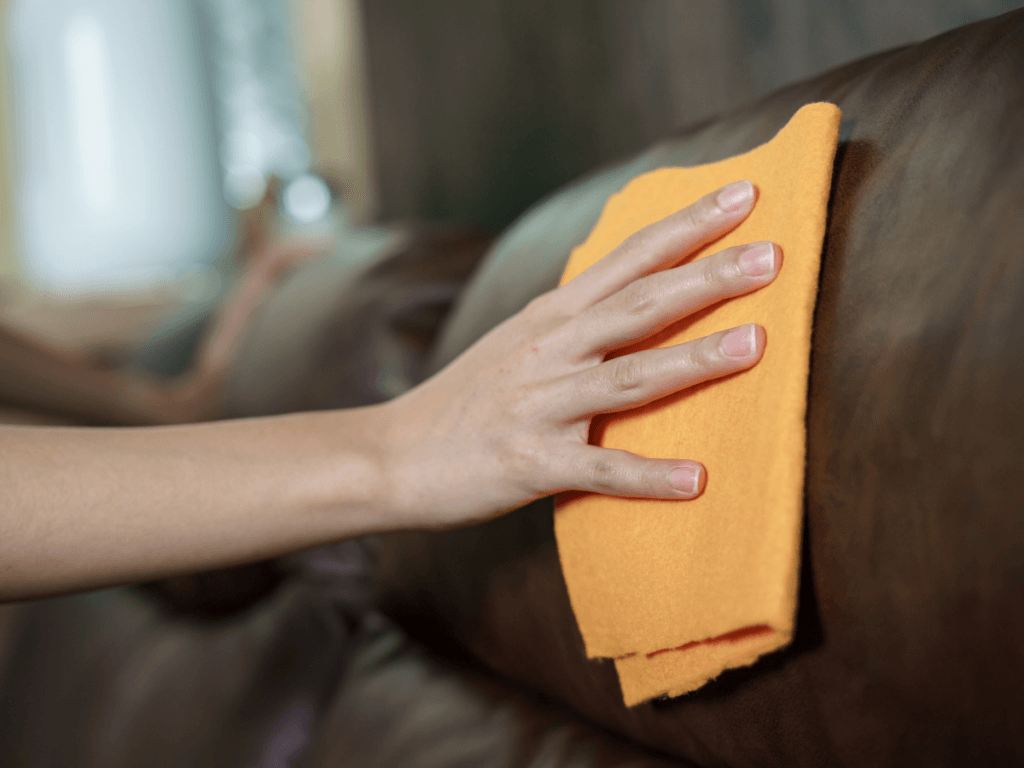
While routine wiping and vacuuming help with surface maintenance, professional leather cleaning services provide a deeper level of care that helps preserve the material long term.
One of the biggest advantages of professional cleaning is the ability to remove contaminants that settle into the leather over time. Standard household products may clean the surface temporarily, but they often fail to address buildup hidden in seams, creases, and porous areas of the material.
Professional cleaners use specialized products and techniques designed specifically for leather furniture, helping restore both appearance and texture without causing unnecessary damage.
Professional leather cleaning also helps maintain consistency across the furniture. Over time, heavily used areas like armrests, cushions, and headrests may begin to look dull or worn faster than the rest of the piece. Deep cleaning and conditioning can help rebalance the appearance and reduce uneven wear.
How Expert Cleaning Extends Leather Furniture Lifespan
Leather furniture is an investment, and regular maintenance plays a major role in how long it lasts. Without proper care, leather can dry out, fade, stiffen, or crack, especially in homes with direct sunlight, fluctuating humidity, pets, or frequent daily use.
Professional leather cleaning services help extend the lifespan of furniture by addressing these issues before they become permanent.
During the cleaning process, technicians remove embedded dirt and oils that slowly break down the leather’s surface. Once cleaned, conditioners are often applied to restore moisture and flexibility to the material.
Conditioning is especially important because leather naturally loses oils over time. When the material becomes too dry, it may begin to crack or develop rough patches that are difficult to repair. Proper conditioning helps the leather stay soft, flexible, and more resistant to daily wear.
Another benefit of professional maintenance is early problem detection. Trained cleaners can often spot signs of fading, discoloration, loose stitching, or surface damage before those issues worsen. Catching small problems early may help homeowners avoid more expensive restoration work later.
The Difference Between Professional And DIY Cleaning
Many homeowners attempt to clean leather furniture themselves using household cleaners or generic wipes, but not all products are safe for leather surfaces. Harsh chemicals, excessive moisture, or abrasive scrubbing can damage protective finishes and alter the texture or color of the material.
Professional leather cleaning services use products formulated specifically for different leather types, including aniline, semi-aniline, and protected leather.
This matters because each type reacts differently to moisture, conditioners, and cleaning agents. Using the wrong method may unintentionally cause staining, fading, or stiffness.
Professionals also understand how to clean leather without oversaturating it. Excess water can seep into cushions or weaken the material over time, especially on older furniture. Controlled cleaning techniques help avoid these problems while still delivering a deeper clean than most DIY methods can achieve.
Why Eco-Friendly Leather Cleaning Is Becoming More Popular
Many homeowners are now paying closer attention to the products used inside their homes, especially around children, pets, and sensitive individuals. Eco-friendly leather cleaning methods have become increasingly popular because they reduce exposure to strong chemical odors and potentially irritating ingredients.
Safe cleaning solutions are designed to clean effectively while remaining gentler on indoor air quality and the leather itself. These products help remove dirt and oils without leaving behind heavy residues that can affect the feel or appearance of the furniture.
Eco-friendly approaches also align with long-term furniture care. Harsh chemical cleaners may produce quick results initially, but repeated use can gradually weaken leather surfaces. Gentler products help preserve the material while still providing effective cleaning and conditioning.
Maintaining Leather Furniture Between Professional Cleanings
Regular upkeep between professional appointments can help keep leather furniture looking its best. Light dusting, vacuuming creases, and quickly cleaning spills all help reduce buildup before it settles into the material.
Positioning leather furniture away from direct sunlight and heat sources can also help prevent drying and fading. Using appropriate leather conditioners periodically may further support long-term durability, though professional guidance is helpful when selecting products.
With consistent maintenance and occasional professional leather cleaning services, leather furniture can maintain its comfort, appearance, and durability for many years while continuing to age naturally and attractively.
Essential Leather Furniture Maintenance Tips
Leather furniture is known for its durability and timeless appearance, but it still needs regular care to stay in good condition over the years.
Everyday use exposes leather to body oils, dust, sunlight, spills, and friction, all of which gradually affect its texture and appearance. A consistent maintenance routine helps preserve both the comfort and longevity of leather furniture while preventing avoidable wear.
One of the most important parts of maintenance is regular conditioning. Leather naturally contains oils that keep the material soft and flexible, but those oils slowly diminish over time. Conditioning helps restore moisture and prevents the surface from becoming dry or brittle.
Most leather furniture benefits from conditioning every 6 to 12 months, though homes with heavy daily use or dry indoor air may require more frequent treatment.
Placement also matters more than many homeowners realize. Direct sunlight can cause leather to fade unevenly and dry out faster, especially near large windows or glass doors.
Heat sources such as fireplaces, radiators, or heating vents can create similar problems by removing moisture from the material. Positioning leather furniture away from direct heat and prolonged sunlight helps preserve its appearance and flexibility.
How Often Leather Furniture Should Be Cleaned
Routine cleaning is another key part of maintaining leather furniture. Dust and debris may seem harmless at first, but over time, they can settle into seams and creases, gradually wearing down the surface through friction.
Light cleaning every few weeks helps prevent buildup before it becomes difficult to remove. Vacuuming cushions and seams with a soft brush attachment can remove dust without scratching the material.
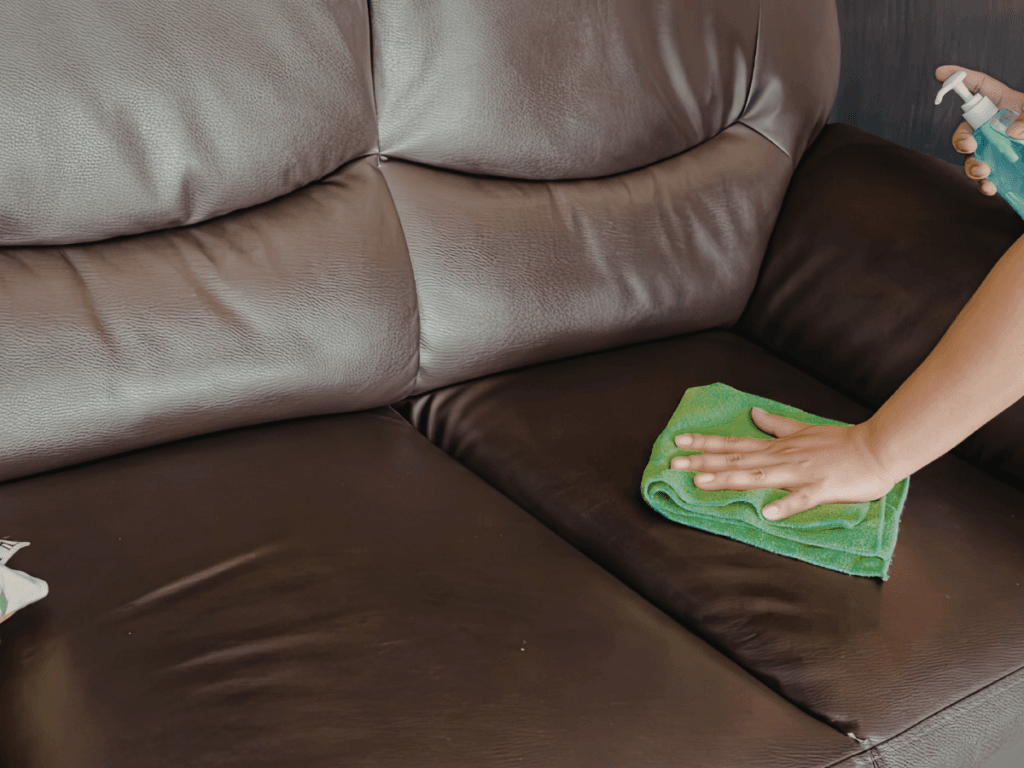
Wiping surfaces gently with a dry or slightly damp microfiber cloth also helps maintain the finish between deeper cleanings. More thorough cleaning should typically happen every few months, depending on usage.
Homes with pets, children, or frequent entertaining may require more attention because oils, spills, and dirt accumulate faster in high-traffic environments.
Signs that leather furniture may need conditioning or professional attention include stiffness, fading, cracking, or a dull appearance that does not improve with basic cleaning. Addressing these issues early can help prevent long-term damage and extend the life of the furniture.
Best Practices For Preventing Wear And Damage
Preventive care often has the biggest impact on the lifespan of leather furniture. Simple habits can significantly reduce unnecessary wear while helping the material age more evenly.
Sharp objects should always be kept away from leather surfaces whenever possible. Belt buckles, pet claws, keys, and decorative accessories can easily scratch or puncture the material. Even small scratches may become more noticeable over time as dirt settles into damaged areas.
Using the right cleaning materials is equally important. Soft microfiber cloths are generally safest for routine care because they clean without creating friction or surface damage. Harsh brushes, abrasive sponges, or strong household cleaners can strip protective finishes and dry out the leather.
Indoor humidity also affects leather furniture more than many people expect. Extremely dry environments may cause leather to lose moisture more quickly, while excessive humidity can contribute to mildew or surface stickiness.
Maintaining balanced indoor humidity levels helps stabilize the material and reduce seasonal stress on the leather.
Everyday Habits That Help Leather Last Longer
Small daily habits often make the biggest difference in long-term leather furniture maintenance. Cleaning spills immediately helps prevent stains from settling into the material. Rotating cushions periodically can also help distribute wear more evenly, especially on sofas and sectionals used frequently by the same people.
Protective covers can be useful in certain situations as well. Homes with pets, young children, or long periods of direct sunlight may benefit from temporary coverings that reduce wear during heavy use. Even lightweight throws or blankets can help minimize friction on commonly used seating areas.
It is also important to avoid overusing cleaning products. Too much conditioner or excessive moisture can sometimes create buildup that affects the leather’s texture or finish. Using products specifically designed for leather furniture and following manufacturer recommendations helps avoid unnecessary damage.
With regular attention and proper care, leather furniture can remain comfortable, attractive, and durable for many years. Consistent maintenance not only protects the material itself but also helps preserve the natural character and appearance that make leather furniture such a long-lasting investment.
How Can You Effectively Remove Stains from Leather Furniture?

Stains on leather furniture can be frustrating, especially when they happen on frequently used sofas, recliners, or dining chairs. Unlike fabric upholstery, leather requires a more careful approach because harsh cleaners or excessive moisture can permanently damage the surface.
The good news is that many common stains can be managed successfully when treated quickly and with the right cleaning method. The first step is identifying the type of stain. Different substances react differently with leather, so using the wrong treatment can sometimes make the problem worse.
Ink, food spills, body oils, and grease stains all require slightly different cleaning approaches. Acting early is also important because stains that sit for too long are more likely to penetrate deeper into the material.
Regular maintenance plays a role here as well. Well-conditioned leather furniture tends to resist staining better than dry or neglected leather, making cleanup easier when accidents happen.
Common Leather Furniture Stains And How To Remove Them
Some stains are more common than others in everyday households, particularly in homes with pets, children, or heavy furniture use. Knowing how to address each type can help prevent permanent discoloration or surface damage.
Ink stains are often among the most difficult because they spread quickly into the leather’s finish. A cotton swab lightly dampened with rubbing alcohol can sometimes lift the ink without damaging the surrounding area.
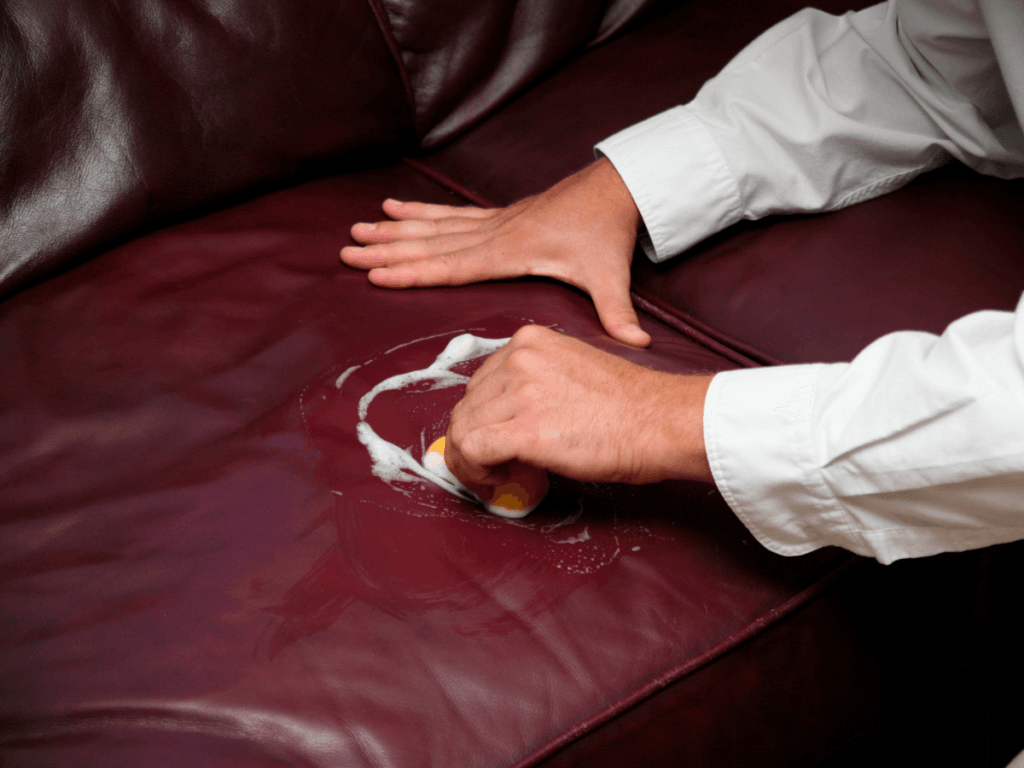
The key is to dab gently rather than scrub, since aggressive rubbing can spread the stain or remove the finish. Food stains usually respond best to a mild cleaning solution. Start by blotting away any excess moisture or residue with a clean cloth.
After that, a small amount of gentle soap mixed with water can help clean the area without over-saturating the leather. Once cleaned, the surface should be dried immediately with a soft towel.
Oil and grease stains require a different approach because moisture alone will not remove them effectively. Cornstarch or baking soda can help absorb excess oil from the surface.
Let the powder sit on the stain for several hours before gently brushing or vacuuming it away. In many cases, this method reduces the stain significantly without damaging the leather furniture.
Why Leather Stains Can Be Difficult To Remove
Leather is a natural material, which means it absorbs oils, dirt, and liquids differently depending on the finish and condition of the surface. Some leather types have protective coatings that resist stains, while others are more porous and absorb spills quickly.
Research into stain removal technology has shown that oils and fatty acids commonly found in everyday dirt tend to cling to leather coatings over time.
Newer cleaning technologies are being developed to help lift stains more effectively while preserving the finish of the material. These advancements highlight why proper cleaning methods matter, especially for long-term leather furniture care.
Older stains can also become more difficult because repeated exposure to sunlight, body oils, and dust changes the texture of the leather over time. What starts as a small spill can eventually settle deeper into the material if it is ignored.
When Professional Leather Cleaning Makes Sense
While many stains can be handled at home, some situations are better left to professionals. Deep-set stains, strong odors, discoloration, or delicate leather finishes often require specialized treatment to avoid permanent damage.
Professional cleaners use products specifically designed for leather furniture and understand how different leather types react to moisture, heat, and cleaning agents. This becomes especially important with expensive or antique pieces, where improper cleaning could reduce both appearance and value.
Professional stain removal is also recommended when home remedies fail to improve the stain after a careful attempt. Continuing to scrub or repeatedly applying cleaning products can weaken the finish and make restoration more difficult later.
Preventing Future Stains On Leather Furniture
Preventing stains is usually easier than removing them. Simple habits can go a long way toward protecting leather furniture from daily wear and accidental spills.
Cleaning spills immediately is one of the most effective ways to prevent staining. Allowing liquids to sit gives them more time to penetrate the material.
Using arm covers, keeping food and drinks away from delicate pieces, and conditioning leather regularly can also help maintain the surface and improve stain resistance.
Routine cleaning matters as well. Dust and oils gradually build up on leather furniture, creating a surface that attracts more dirt over time. Gentle maintenance helps preserve the finish while making future stain removal much easier.
With the right care and prompt attention, leather furniture can stay clean, comfortable, and visually appealing for many years, even in busy households where daily use is unavoidable.
What Are the Benefits of Using Quality Leather Conditioners?
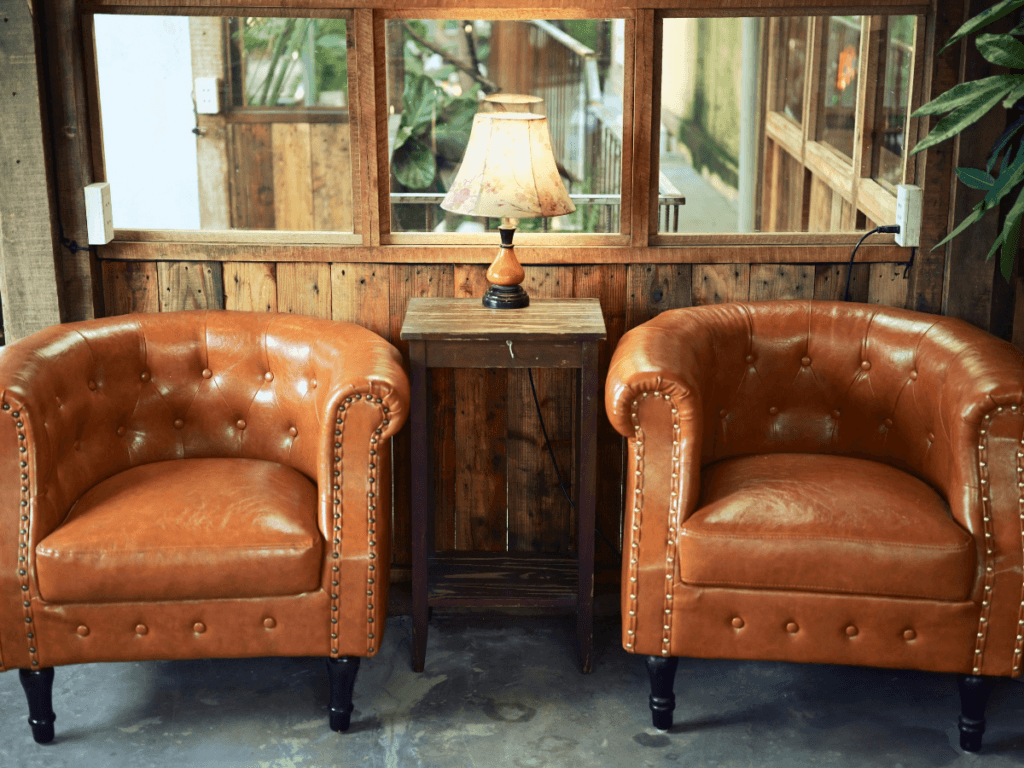
Keeping leather furniture in good condition takes more than occasional cleaning. Over time, leather naturally loses moisture through daily use, sunlight exposure, indoor heating, and changing humidity levels.
Without proper care, the surface can begin to feel dry, look dull, and eventually develop cracks or fading. That is where quality leather conditioners become an important part of long-term maintenance.
A good conditioner is designed to restore moisture and flexibility to the leather without leaving behind heavy residue or causing discoloration.
Regular conditioning helps leather furniture maintain its soft texture while protecting it from premature wear. Whether it is a leather sofa, recliner, dining chair, or office furniture, conditioning helps preserve both comfort and appearance.
One of the biggest advantages of using quality leather conditioners is prevention. Small signs of dryness can quickly turn into permanent damage if the leather is ignored for too long.
Consistent care keeps the material supple and better able to withstand everyday use, especially in busy households with pets, children, or heavy traffic.
How Leather Conditioners Help Protect Furniture
Leather is a natural material, which means it responds to environmental conditions much like skin does. When it dries out, it becomes more vulnerable to cracking, stiffness, and fading. Conditioners work by replenishing the natural oils that leather loses over time.
High-quality products penetrate beneath the surface instead of simply coating the material. This helps restore flexibility while improving the overall appearance of the leather furniture. Well-conditioned leather tends to have a smoother texture, richer color, and more consistent finish.
Conditioners also provide a layer of protection against dirt, spills, and moisture. While they are not a substitute for immediate cleanup after accidents, they can reduce how quickly stains absorb into the material. This added protection helps leather furniture stay cleaner and easier to maintain between deep cleanings.
Another benefit is that conditioned leather ages more evenly. Instead of developing dry patches or uneven fading, properly maintained leather tends to develop a softer, more attractive patina over time.
How Often Should Leather Furniture Be Conditioned?
The frequency of conditioning depends on how often the furniture is used and the environment inside the home. In most cases, leather furniture should be conditioned every 6 to 12 months. Homes with dry air, large windows, or heavy daily use may require more frequent treatment.
There are a few signs that indicate leather may need conditioning sooner. If the surface begins to feel stiff, loses some of its softness, or appears dull and faded, it may be time to apply a conditioner. Minor surface cracking can also signal that the leather is becoming too dry.
Regular maintenance is especially important for furniture placed near direct sunlight, fireplaces, or heating vents. These conditions can accelerate moisture loss and increase wear over time.
Choosing The Right Leather Care Products
Not all leather care products are created equally, so choosing the right ones matters. Products specifically designed for leather furniture are generally safer and more effective than generic household cleaners.
A quality leather conditioner should moisturize without leaving the surface greasy or sticky. Many homeowners also pair conditioners with gentle leather cleaners to remove dirt before treatment. Cleaning first allows the conditioner to absorb more evenly into the material.
Protective sprays made for leather furniture can also provide additional resistance against spills and stains. These products create a barrier on the surface while still allowing the leather to breathe naturally.
It is always a good idea to test any new product on a small hidden area before applying it across the entire piece. Different leather finishes can react differently depending on the type of dye, coating, and age of the furniture.
Long-Term Benefits Of Proper Leather Maintenance
Consistent care can dramatically extend the lifespan of leather furniture. Conditioning helps preserve the material’s strength and flexibility, reducing the risk of cracking, peeling, or premature aging.
Well-maintained leather furniture also tends to hold its appearance longer, which can make a noticeable difference in the overall look of a room. Instead of appearing worn or neglected, conditioned leather keeps its rich texture and polished finish for years.
Beyond appearance, proper maintenance protects the investment itself. Leather furniture is often chosen for its durability and timeless style, and regular conditioning helps ensure it continues to look and perform the way it was intended to over time.
Conclusion
Professional leather furniture cleaning is one of the best ways to protect the appearance, comfort, and lifespan of your investment.
Over time, leather can accumulate dirt, body oils, stains, and everyday wear that diminish its natural beauty and texture. With the right cleaning methods and conditioning treatments, your furniture can maintain its rich look and feel for years to come.
Magic Cleaning Pros provides expert cleaning and care services. Whether you need routine maintenance or help removing tough stains, our experienced team can help. Call 678-515-5820 or fill out our form to request your free quote today.