Many people use the terms disinfecting and sanitizing interchangeably, but they are not the same thing. While both are designed to reduce harmful germs, they work in different ways and serve different purposes depending on the environment and level of cleaning required.
Understanding the disinfecting sanitizing difference is important for maintaining healthier homes, workplaces, and shared spaces. Sanitizing lowers the number of germs to safer levels, while disinfecting is intended to kill a broader range of bacteria and viruses on surfaces.
Choosing the wrong method can leave areas less protected than expected. Knowing when to sanitize and when to disinfect helps you clean more effectively, use products correctly, and create a safer environment without unnecessary overuse of harsh chemicals.
Cleaning Smarter Starts With Knowing the Disinfecting Sanitizing Difference
What Is Sanitizing and How Does It Reduce Germ Counts?
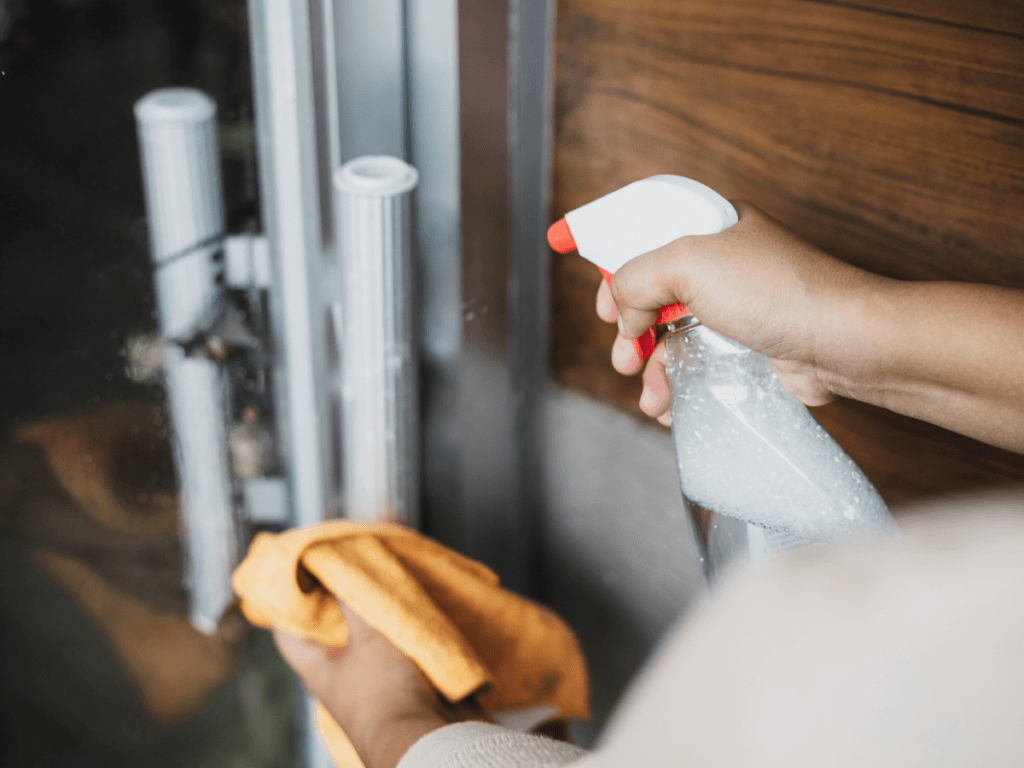
Understanding the disinfecting sanitizing difference starts with knowing what sanitizing actually does. Sanitizing is the process of reducing the number of germs on a surface to levels considered safe by public health standards.
Unlike disinfecting, which aims to kill a broader range of harmful microorganisms, sanitizing focuses on lowering germ counts enough to reduce the risk of spreading illness.
This process is commonly used in homes, restaurants, schools, gyms, and workplaces where maintaining a cleaner environment is important, but complete sterilization is unnecessary.
Sanitizing products typically work by decreasing bacteria and other microorganisms on surfaces through chemical agents specifically designed for routine hygiene maintenance.
How Sanitizing Works in Everyday Environments
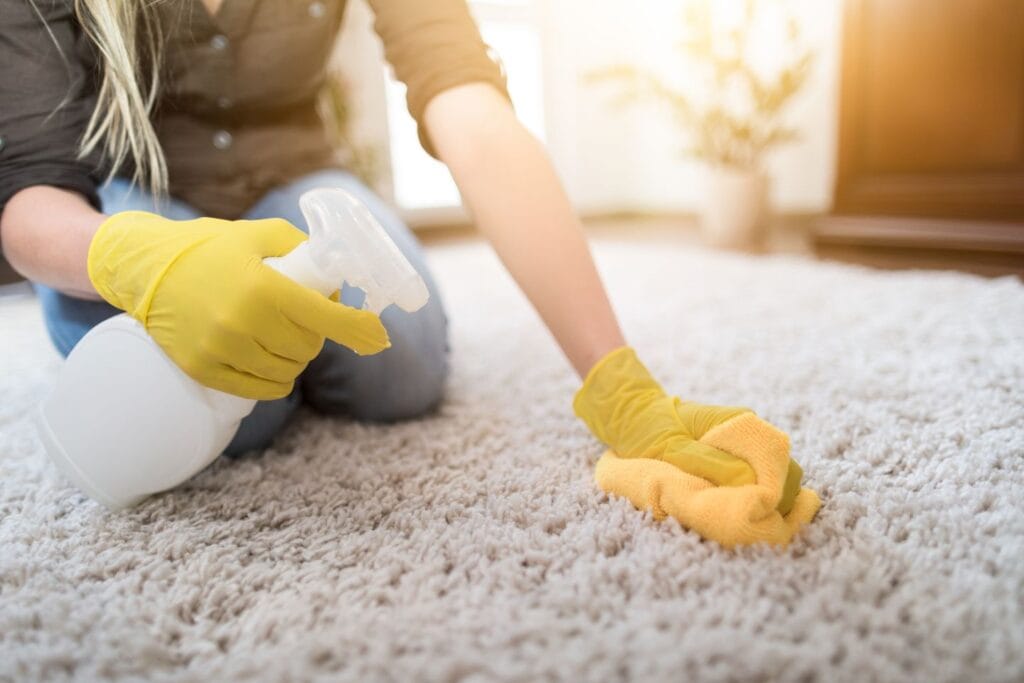
Sanitizing is especially important in high-touch areas where germs can spread quickly through daily contact. Kitchen counters, bathroom surfaces, dining tables, toys, and shared office equipment are all common examples of spaces that benefit from regular sanitizing.
In food preparation settings, sanitizing plays a critical role in reducing contamination risks. Health guidelines often require food-contact surfaces to be properly cleaned and sanitized to help prevent the spread of harmful bacteria.
Studies examining sanitizing procedures in produce operations have shown that proper cleaning and sanitizing methods can significantly reduce dangerous pathogens on food-contact surfaces.
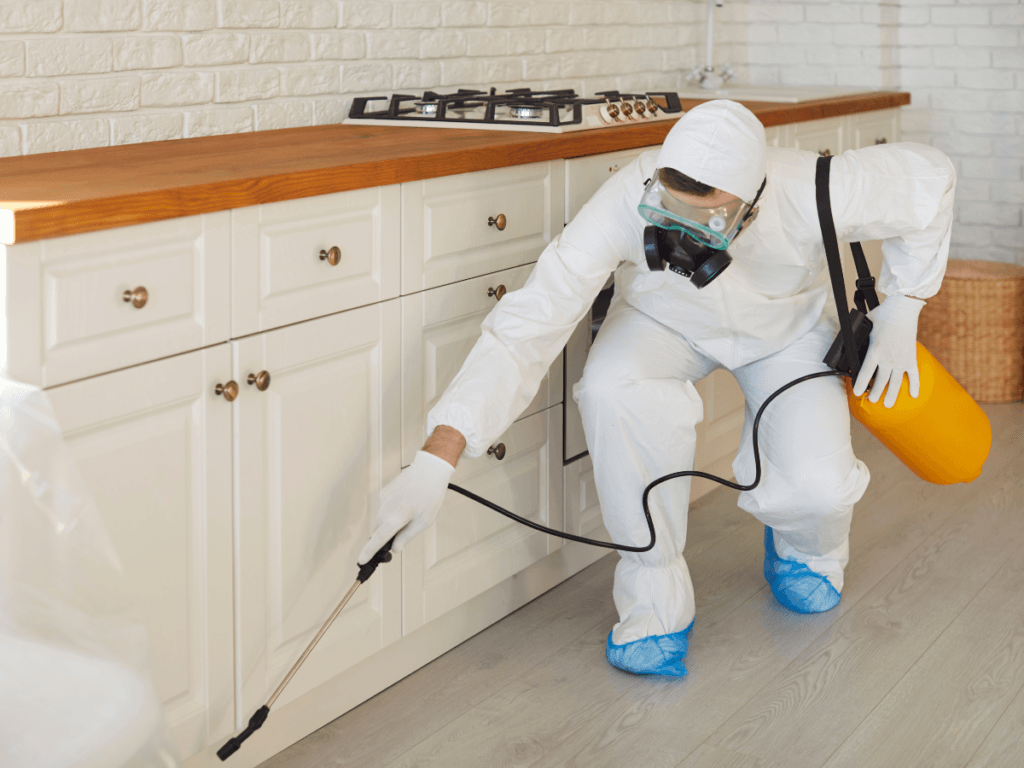
Professional sanitizing services often use commercial-grade products and techniques designed to provide more consistent coverage.
This can be especially valuable in environments where maintaining hygiene standards is essential, such as daycare centers, healthcare facilities, restaurants, and shared public spaces.
Why Sanitizing Matters for Health and Safety
One reason the disinfecting sanitizing difference is often misunderstood is that both processes involve cleaning products and germ reduction. However, sanitizing is generally intended for ongoing maintenance rather than intensive contamination control.
The main advantage of sanitizing is that it helps lower the overall microbial load on frequently used surfaces. By reducing the number of germs present, sanitizing decreases the chances of bacteria or viruses spreading from person to person.
This is particularly important in homes with children, shared workplaces, or environments with frequent public traffic. Even regular household surfaces can collect significant amounts of bacteria over time, especially when touched repeatedly throughout the day.
Sanitizing also supports a healthier environment without always requiring the stronger chemicals commonly associated with disinfecting products. For many routine cleaning situations, sanitizing offers a practical balance between cleanliness and surface safety.
Professional Sanitizing Services and Proper Product Use
Using the correct sanitizing products and methods is important for achieving effective results. Many professional services rely on EPA-approved sanitizers that are tested to reduce bacteria and viruses safely when applied according to manufacturer instructions.
Application methods also matter. Some sanitizers require a specific contact time, meaning the surface must remain visibly wet for a certain period before the product can fully work. Skipping this step can reduce effectiveness, even when using high-quality products.
Professional sanitizing services often follow standardized procedures to ensure proper coverage across large or high-traffic spaces. This can help maintain compliance with health regulations while creating safer environments for employees, customers, students, or visitors.
Understanding the Difference Between Sanitizing and Disinfecting
The disinfecting sanitizing difference becomes clearer when comparing the purpose of each process. Sanitizing focuses on reducing germs to safer levels for everyday use, while disinfecting is designed to destroy a wider range of pathogens on surfaces.
For example, sanitizing may be sufficient for routine kitchen maintenance or cleaning shared workspaces. Disinfecting, on the other hand, is often preferred after exposure to illness, bodily fluids, or environments with higher contamination risks.
Understanding when to sanitize versus when to disinfect allows homeowners and businesses to choose the most appropriate cleaning method for their needs.
Sanitizing is an essential part of maintaining healthier indoor environments by reducing germs to safer levels on frequently touched surfaces. From kitchens and bathrooms to schools and commercial spaces, proper sanitizing helps minimize the spread of harmful bacteria and supports better hygiene practices overall.
Recognizing the disinfecting sanitizing difference can also help people make smarter cleaning decisions based on the level of risk involved. While disinfecting may be necessary in certain situations, regular sanitizing remains one of the most effective ways to support day-to-day cleanliness and public health.
How Does Disinfecting Differ and Kill Pathogens?
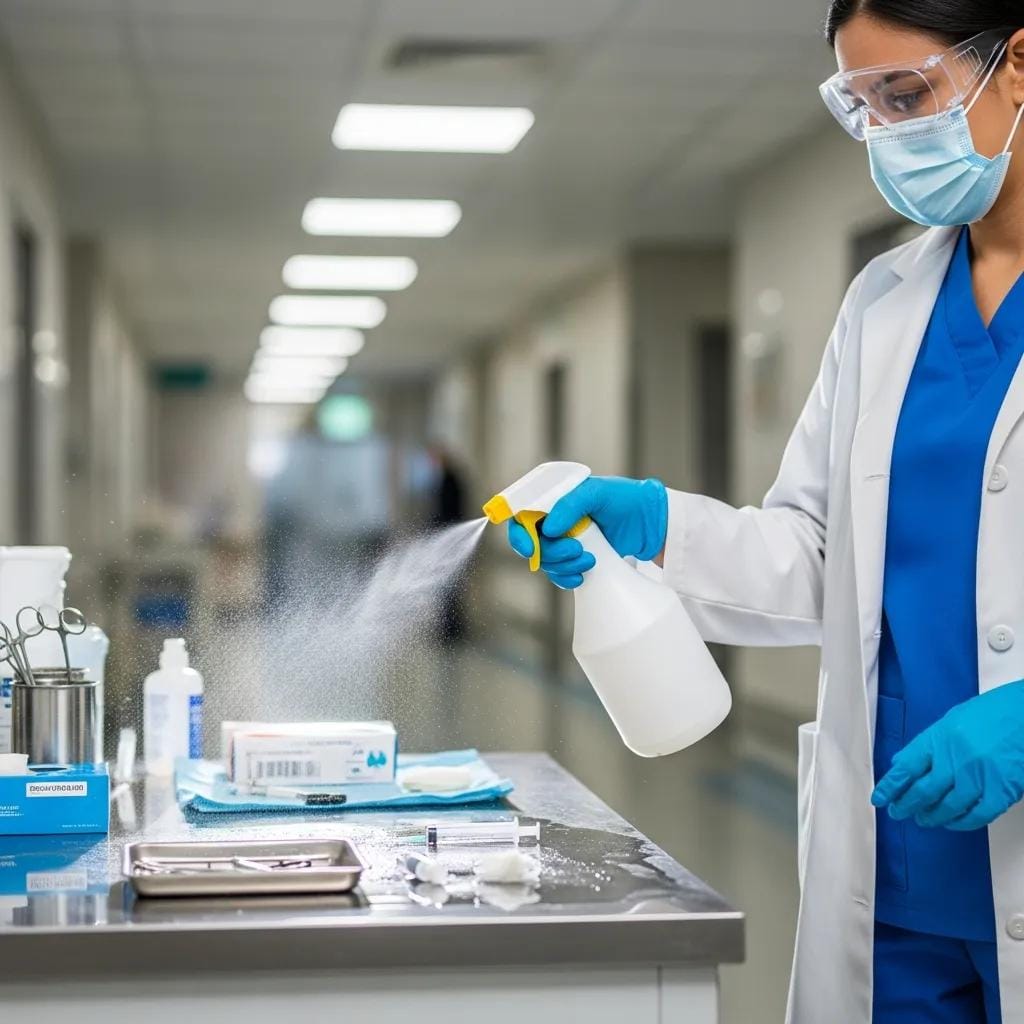
Understanding the disinfecting sanitizing difference is important when deciding how to properly clean a space. While sanitizing focuses on lowering the number of germs to safer levels, disinfecting is designed to kill a much larger percentage of harmful microorganisms on surfaces.
This includes bacteria, viruses, and other pathogens that may contribute to the spread of illness. Disinfecting is especially important in environments where infection control matters most, such as hospitals, clinics, schools, gyms, and high-traffic commercial spaces.
In homes, disinfecting is commonly used after illness, during flu season, or when cleaning areas exposed to raw food, bodily fluids, or heavy contamination.
How Disinfecting Works on Surfaces
Disinfecting relies on chemical products specifically formulated to destroy pathogens. Most disinfectants used in homes and businesses are EPA-approved and tested against certain bacteria and viruses under controlled conditions.
One of the most important factors in effective disinfecting is contact time. This refers to how long the disinfectant must remain visibly wet on the surface to properly kill germs. Many people wipe surfaces dry too quickly, which can reduce the product’s effectiveness significantly.
Research has shown that disinfectant performance can vary depending on concentration levels, exposure time, and even the specific strain of bacteria involved.
Studies examining disinfectant efficacy have highlighted how both contact time and proper usage directly influence how well pathogens are eliminated in real-world settings.
This is one of the major distinctions in the disinfecting sanitizing difference. Sanitizing lowers microbial levels, while disinfecting aims for a more aggressive level of pathogen control.
Why Cleaning Before Disinfecting Matters
Disinfecting works best when surfaces are cleaned beforehand. Dirt, grease, and debris can create barriers that prevent disinfectants from fully reaching microorganisms underneath.
A proper disinfecting process usually involves three basic stages. First, the surface is cleaned to remove visible buildup. Next, the disinfectant is applied according to the manufacturer’s instructions. Finally, the product is allowed to sit for the recommended amount of time before drying naturally or being wiped away if directed.
Skipping the cleaning step can make disinfecting less effective, particularly in kitchens, bathrooms, medical settings, or shared public spaces where contaminants build up quickly.
Common Disinfectants Used in Homes and Businesses
Several types of disinfectants are commonly used across residential and commercial environments. Bleach solutions remain one of the most widely recognized options because they are effective against a broad range of bacteria and viruses when properly diluted.
Hydrogen peroxide is another popular disinfectant due to its versatility and compatibility with many surfaces. It is often used in homes, healthcare facilities, and food preparation areas.
Quaternary ammonium compounds, sometimes called “quats,” are frequently used in commercial cleaning products because they are effective, easy to apply, and suitable for routine disinfecting in offices, schools, and retail environments.
Choosing the right disinfectant depends on the surface type, the level of contamination, and the specific pathogens being targeted.
Real-World Limitations of Disinfecting Products
Although disinfectants are highly effective when used correctly, real-world conditions can affect performance. Factors such as improper dilution, shortened contact times, dirty surfaces, or incorrect storage may reduce effectiveness.
Recent research has also pointed out that product labels may not always reflect the challenges encountered outside laboratory settings. Environmental conditions and user habits can impact how well disinfectants perform during everyday cleaning.
This is why professional cleaning services often follow detailed disinfecting protocols to ensure products are used correctly and consistently.
Understanding the Difference Between Sanitizing and Disinfecting
The disinfecting sanitizing difference ultimately comes down to the level of germ control needed. Sanitizing is often appropriate for everyday maintenance and reducing bacteria on commonly touched surfaces. Disinfecting is a stronger process intended for situations where eliminating harmful pathogens is the priority.
Knowing when to sanitize and when to disinfect can help homeowners and businesses maintain cleaner, safer spaces without overusing harsh chemicals unnecessarily.
Disinfecting plays a critical role in reducing the spread of harmful pathogens in both residential and commercial environments. By using EPA-approved products correctly and allowing proper contact time, surfaces can be cleaned more effectively and safely.
Understanding the disinfecting sanitizing difference also helps people choose the right cleaning approach for each situation. While sanitizing supports routine hygiene, disinfecting provides a deeper level of protection when health risks and contamination concerns are greater.
How Effective Are Sanitizing and Disinfecting Methods?
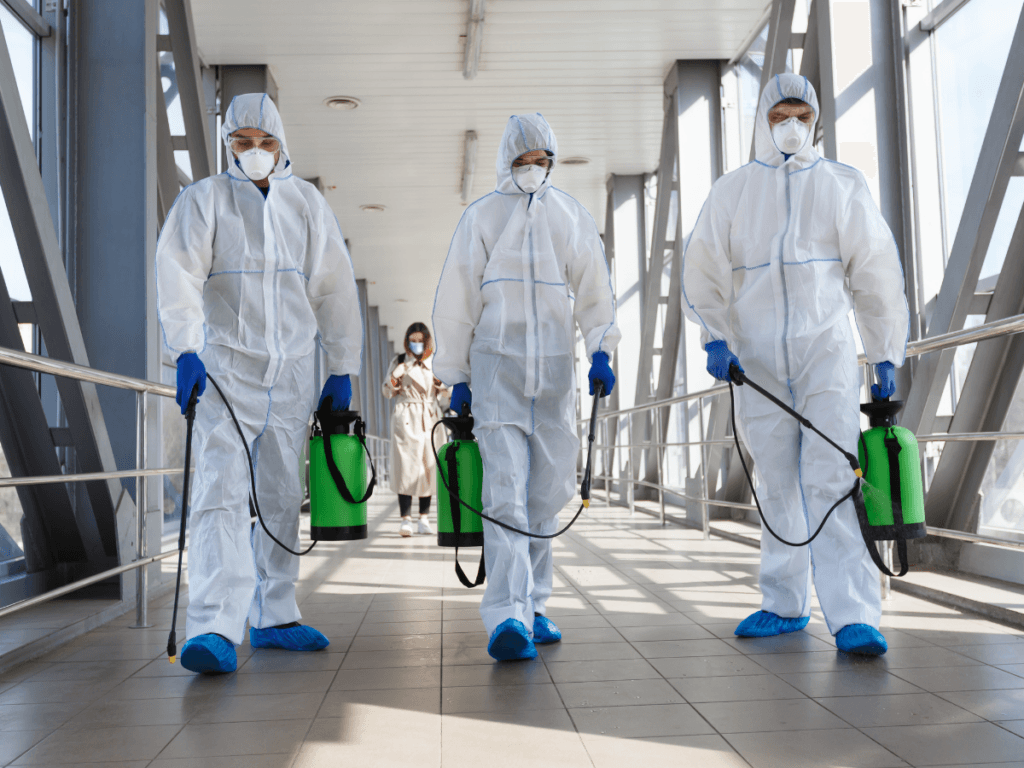
One of the biggest distinctions in the disinfecting sanitizing difference comes down to overall effectiveness. While both methods help reduce the spread of germs, they are designed for different levels of cleaning and risk management.
Sanitizing lowers the number of bacteria and germs on surfaces to levels considered safe by public health standards. Disinfecting, on the other hand, is intended to kill a much broader range of pathogens, including many viruses and harmful bacteria.
Because of this, disinfecting is typically used in situations where infection prevention is a higher priority. Understanding the effectiveness of each method can help homeowners, businesses, and facility managers choose the right approach for different environments.
How Sanitizing Reduces Germ Levels
Sanitizing is often used for routine cleaning in homes, offices, restaurants, schools, and other everyday settings. The goal is not necessarily to eliminate every microorganism but to reduce germ levels enough to lower the risk of illness.
For example, sanitizing kitchen counters, dining tables, toys, gym equipment, or shared office surfaces can help maintain cleaner spaces without the stronger chemical intensity associated with disinfecting products.
This approach is usually sufficient in lower-risk environments where surfaces require regular maintenance but are not heavily contaminated. Sanitizing also tends to be quicker and may involve products designed for frequent daily use.
In discussions about the disinfecting sanitizing difference, sanitizing is best viewed as preventative maintenance for general hygiene.
Why Disinfecting Provides Stronger Protection
Disinfecting is considered more aggressive because it is formulated to destroy pathogens rather than simply reduce them. EPA-approved disinfectants are specifically tested to kill many types of bacteria and viruses when used correctly.
This makes disinfecting especially important in high-risk areas such as hospitals, medical offices, bathrooms, daycare centers, nursing homes, and homes where someone is sick.
The effectiveness of disinfecting depends heavily on proper application. Surfaces usually need to be cleaned first, and disinfectants must remain wet for the recommended contact time to work effectively. When used correctly, disinfecting offers a much higher level of pathogen control compared to sanitizing alone.
This is one of the clearest examples of the disinfecting sanitizing difference. Sanitizing focuses on lowering contamination levels, while disinfecting aims to eliminate many harmful microorganisms entirely.
Choosing the Right Method for Different Environments
The decision between sanitizing and disinfecting often depends on the environment and the level of exposure risk involved.
In lower-risk settings, sanitizing may be the more practical option for ongoing maintenance. A home kitchen, office desk, classroom surface, or retail counter may only require regular sanitizing to maintain cleanliness and reduce germ buildup throughout the day.
Disinfecting becomes more important when there is a greater chance of exposure to illness-causing pathogens. Medical facilities, public restrooms, healthcare waiting rooms, and spaces recently exposed to sickness usually require stronger disinfecting protocols.
Understanding when each method is appropriate helps avoid unnecessary overuse of harsh chemicals while still maintaining healthy indoor environments.
Comparing Sanitizing and Disinfecting Effectiveness
The disinfecting sanitizing difference becomes easier to understand when comparing the purpose and outcomes of each method side by side.
Sanitizing is designed to reduce germs to safer levels and is commonly used for general cleaning and maintenance. Disinfecting is intended to kill a broader range of germs and is preferred for environments where infection control is essential.
In practical terms, sanitizing supports everyday hygiene, while disinfecting provides deeper protection during higher-risk situations.
Why Proper Technique Matters
Even the most effective cleaning products may fail if they are not used properly. Both sanitizers and disinfectants work best when surfaces are cleaned beforehand, and products are applied according to manufacturer instructions.
For disinfectants, especially, proper contact time is critical. Wiping the surface too early may prevent the product from fully killing pathogens. Similarly, using incorrect dilution ratios or expired products can reduce overall effectiveness.
Professional cleaning services often follow strict procedures to ensure products are used correctly, particularly in commercial and healthcare environments.
Both sanitizing and disinfecting play important roles in maintaining cleaner and safer spaces, but they serve different purposes. Sanitizing is effective for reducing germs during routine cleaning, while disinfecting offers stronger protection against harmful pathogens in higher-risk environments.
Understanding the disinfecting sanitizing difference allows individuals and businesses to choose the right cleaning method based on the situation, helping create healthier environments without relying on a one-size-fits-all approach.
When Should You Sanitize Versus Disinfect Surfaces?
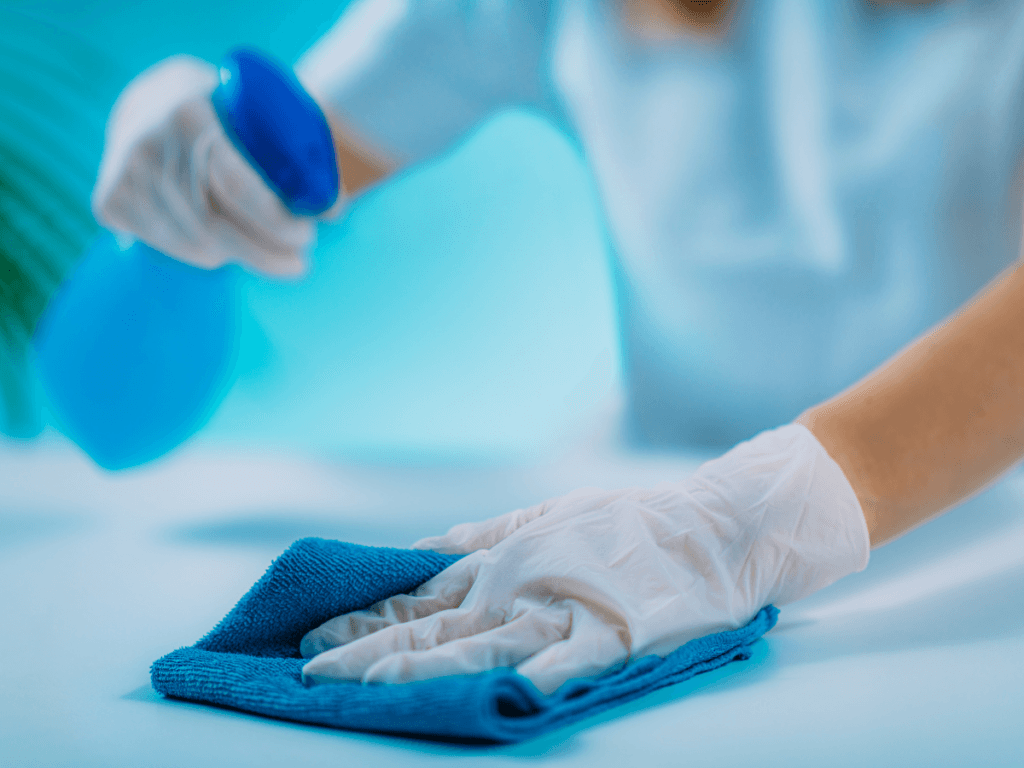
Knowing when to sanitize and when to disinfect is one of the most important parts of understanding the disinfecting sanitizing difference. While both methods help create cleaner environments, they are designed for different situations and levels of risk.
In general, sanitizing is best for routine maintenance and reducing everyday germ buildup. Disinfecting is more appropriate when there is a higher risk of illness, contamination, or exposure to harmful pathogens. Choosing the right approach depends on the type of surface, how frequently it is touched, and who uses the space.
When Sanitizing Is the Better Choice
Sanitizing is commonly used for regular cleaning in homes, offices, schools, restaurants, and retail spaces. The goal is to reduce germs to safer levels without necessarily eliminating every microorganism on the surface.
Food preparation areas are a good example of spaces that often require sanitizing rather than constant disinfecting. Kitchen counters, dining tables, cutting boards, and food-contact surfaces benefit from routine sanitizing to help maintain food safety and cleanliness.
Sanitizing also works well in lower-risk environments where surfaces are cleaned frequently throughout the day. Shared desks, gym equipment, shopping carts, and classroom tables can often be maintained effectively through regular sanitizing practices.
This practical, maintenance-focused role is a key part of the disinfecting sanitizing difference. Sanitizing helps manage everyday hygiene without always requiring stronger disinfecting chemicals.
When Disinfecting Becomes Necessary
Disinfecting is recommended in situations where the risk of spreading harmful pathogens is higher. This includes healthcare facilities, public restrooms, daycare centers, nursing homes, and households where someone is sick.
High-touch surfaces are especially important to disinfect regularly. Door handles, light switches, elevator buttons, remote controls, faucets, and shared electronics can collect large amounts of bacteria and viruses through repeated contact.
Disinfecting is also important during flu season, after exposure to illness, or when cleaning up bodily fluids. In these situations, simply reducing germs may not provide enough protection, making disinfecting the safer option.
Healthcare settings rely heavily on disinfecting protocols because patients, staff, and visitors may be more vulnerable to infection. Medical equipment, treatment rooms, and shared surfaces require stronger pathogen control to help reduce transmission risks.
Factors That Influence the Right Cleaning Method
Several factors can help determine whether sanitizing or disinfecting is more appropriate for a particular environment.
One major consideration is cleaning frequency. Surfaces touched repeatedly throughout the day may require more frequent disinfecting, especially during outbreaks of contagious illness. Lower-risk surfaces may only need routine sanitizing as part of regular maintenance.
The people using the space also matter. Environments serving elderly individuals, young children, or people with weakened immune systems often require stricter disinfecting practices because these groups may be more vulnerable to infections.
Surface type is another important factor. Food-contact surfaces generally require sanitizing procedures that align with food safety standards, while medical devices and healthcare equipment often require disinfecting products designed for stronger pathogen elimination.
Understanding these distinctions helps clarify the disinfecting sanitizing difference in practical, real-world situations.
Why Proper Cleaning Procedures Matter
Whether sanitizing or disinfecting, proper technique is essential for effective results. Surfaces should usually be cleaned first to remove visible dirt, grease, or debris that can interfere with cleaning products.
Disinfectants, in particular, require proper contact time to work effectively. Many products must remain visibly wet on a surface for several minutes to fully kill pathogens. Skipping this step can significantly reduce effectiveness.
Professional cleaning services often follow detailed cleaning protocols to ensure the correct products and methods are used for each environment. Companies like Magic Cleaning Pros provide specialized sanitizing and disinfecting services tailored to different residential and commercial needs.
Balancing Sanitizing and Disinfecting
The disinfecting sanitizing difference is not about choosing one method over the other entirely. In many cases, both play an important role in maintaining healthier spaces.
Sanitizing supports daily cleanliness and routine hygiene, while disinfecting provides deeper pathogen control during higher-risk situations. Using the right method at the right time helps maintain safer environments without unnecessary overuse of harsh chemicals.
Choosing whether to sanitize or disinfect depends on the environment, the level of contamination risk, and the people using the space. Sanitizing is ideal for everyday maintenance and food-safe cleaning, while disinfecting is better suited for situations involving illness prevention and high-risk surfaces.
Understanding the disinfecting sanitizing difference allows homeowners and businesses to create smarter cleaning routines that support both cleanliness and health protection.
Conclusion
Understanding the critical difference between cleaning, sanitizing, and disinfecting empowers you to make informed decisions that protect your family’s health. While cleaning removes dirt and debris, sanitizing reduces bacteria to safe levels, and disinfecting kills harmful pathogens—including viruses—on surfaces.
Each plays an important role in a comprehensive home hygiene strategy, but knowing when and how to use them makes all the difference. For professional cleaning that applies the right techniques and EPA-approved products to every surface in your home, trust Magic Cleaning Pros.
Ready to experience a deeper level of clean? Call 678-515-5820 or visit our website for a free quote today. Let our team help you create a healthier living environment with the expertise you deserve.